

Affiliate Disclosure: This post contains affiliate links. As an Amazon Associate, NooklyGems earns from qualifying purchases at no extra cost to you.
Bibimbap is one of the easiest Korean meals to adapt to your own kitchen. With warm rice, a handful of colorful vegetables, a fried egg, and a savory-spicy gochujang sauce, you can make a satisfying bowl without tracking down every traditional ingredient.
This guide explains how to make bibimbap at home with easy-to-find ingredients, how to prepare the vegetables without making them soggy, and how to mix a balanced bibimbap sauce. You can also add beef, chicken, tofu, or other toppings to make the bowl your own.
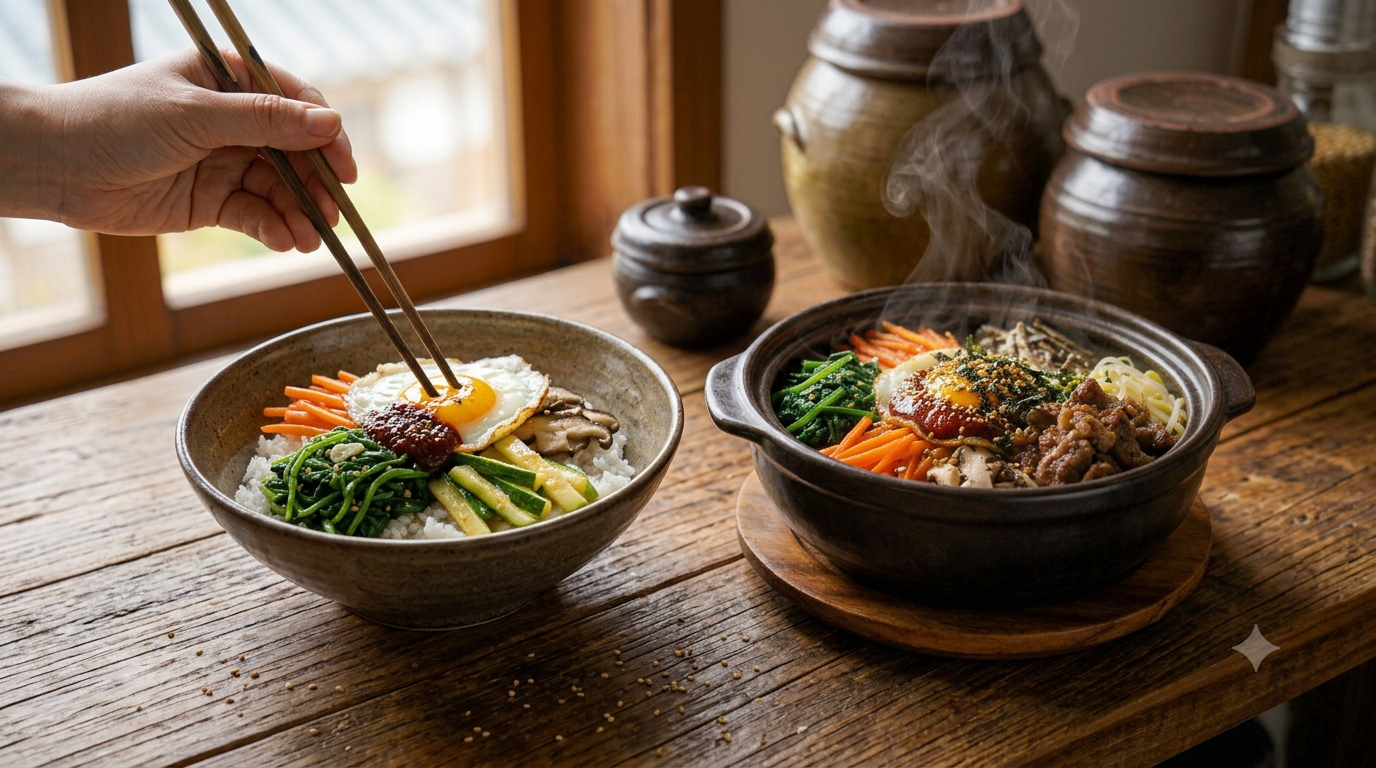
What Is Bibimbap?
Bibimbap (비빔밥) is a Korean rice dish whose name means “mixed rice.” It typically combines rice with seasoned vegetables, a sauce such as gochujang, and optional toppings such as beef, tofu, or a fried egg. Before eating, you mix the ingredients together so that the rice picks up the sauce and the flavors come together.
There is no single combination of vegetables that every bibimbap bowl must contain. Common choices include carrots, spinach, bean sprouts, mushrooms, zucchini, and cucumber. This flexibility makes bibimbap useful for using up vegetables already in your refrigerator.
If you are building a Korean pantry, start with the ingredients you are most likely to use regularly. Our guide to Korean pantry essentials explains several common ingredients and how they fit into everyday Korean cooking.
Ingredients for Easy Homemade Bibimbap
This recipe makes 2 servings. Treat the vegetables as a flexible starting point: use what you have, but keep the total amount roughly the same so the bowls are easy to assemble.
For the bibimbap bowls
- 2 cups cooked rice, preferably short-grain or medium-grain rice
- 1 medium carrot, cut into thin matchsticks
- 1 small zucchini, cut into thin matchsticks
- 2 cups fresh spinach
- 1 cup bean sprouts
- 1 cup sliced mushrooms
- 2 eggs
- 1–2 tablespoons neutral cooking oil, as needed
- 1–2 teaspoons sesame oil, divided
- 1 teaspoon sesame seeds, optional
- Salt, to taste
- Optional: 6–8 ounces thinly sliced beef, cooked chicken, or firm tofu
For the gochujang bibimbap sauce
- 2 tablespoons gochujang (Korean red chili paste)
- 1 tablespoon sesame oil
- 1 tablespoon water, plus more if needed
- 1 teaspoon rice vinegar
- 1 teaspoon honey or sugar
- 1 teaspoon soy sauce, optional
- 1 small garlic clove, finely grated or minced, optional
Ingredient tip: Gochujang varies by brand in sweetness, saltiness, and heat. Start with the amounts above, taste the sauce, and adjust it before serving. If it is too thick, add water a little at a time. If you prefer a milder bowl, use less gochujang and add more rice or vegetables.
How to Make Bibimbap at Home
Step 1: Cook the rice and prepare the ingredients
Cook the rice according to the package instructions. While it cooks, wash and dry the vegetables. Cut the carrot and zucchini into thin, evenly sized strips so they cook quickly. Slice the mushrooms and prepare the spinach and bean sprouts separately.
If you are adding beef, chicken, or tofu, prepare it before assembling the bowls. Cook meat thoroughly, and season it simply with a little soy sauce, garlic, or black pepper if desired. For tofu, press out excess moisture and pan-sear the pieces until lightly golden.
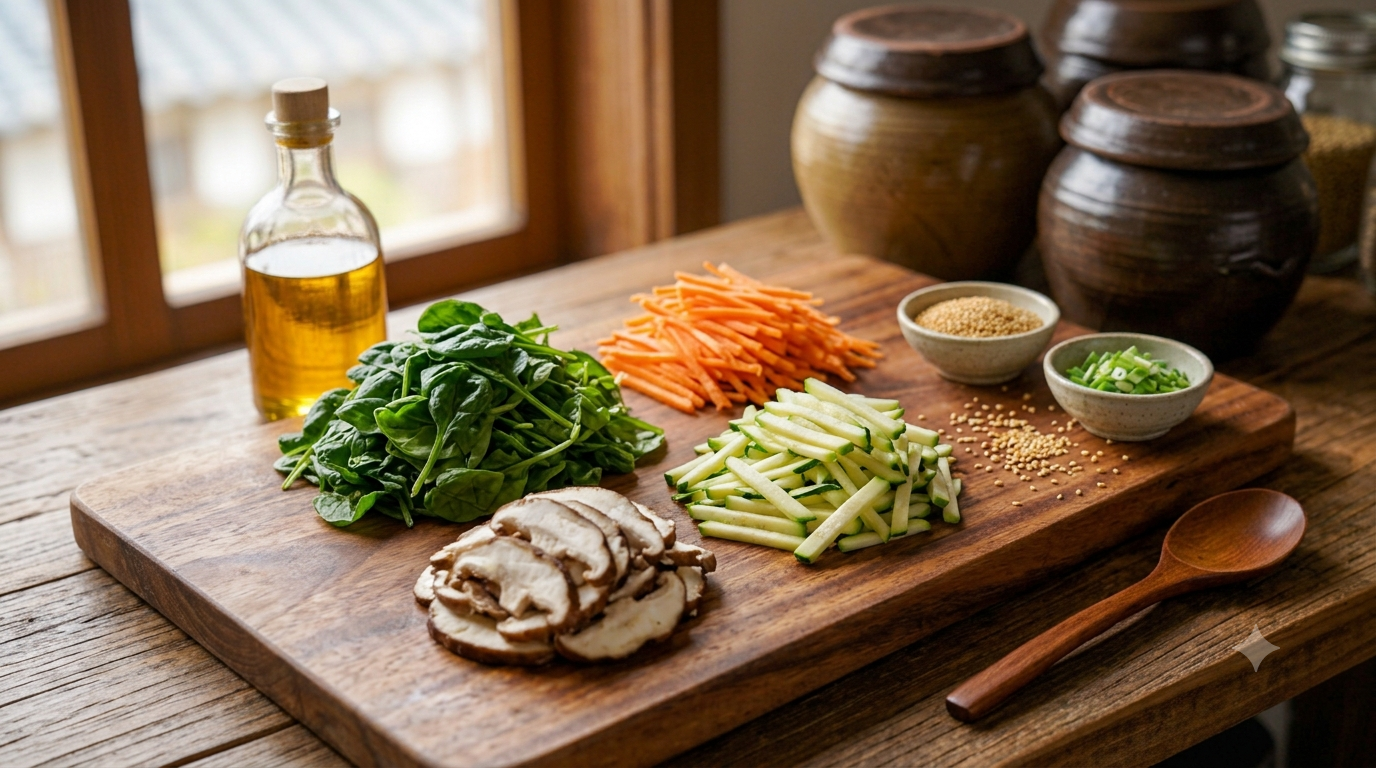
Step 2: Cook the vegetables separately
A common beginner mistake is putting every vegetable into one pan at the same time. Different vegetables release different amounts of water and cook at different speeds. Cooking them separately helps preserve their texture and keeps the finished bowl from becoming watery.
- Carrots: Heat a small amount of neutral oil in a skillet. Add the carrot strips and stir-fry for 2–3 minutes until just tender. Season lightly with salt.
- Zucchini: Stir-fry the zucchini for about 2–3 minutes, until tender but not mushy. Transfer it to a plate.
- Mushrooms: Cook the mushrooms for 3–5 minutes, allowing excess moisture to evaporate. Add a small pinch of salt near the end.
- Spinach: Blanch the spinach in boiling water for about 30–60 seconds, then drain and cool it. Gently squeeze out excess water and season with a little sesame oil and salt.
- Bean sprouts: Boil or steam the sprouts until tender, following your preferred preparation method. Drain them thoroughly and season lightly.
Keep the cooked vegetables in separate piles. You do not need to make every vegetable taste identical: a light seasoning lets each ingredient contribute its own flavor.
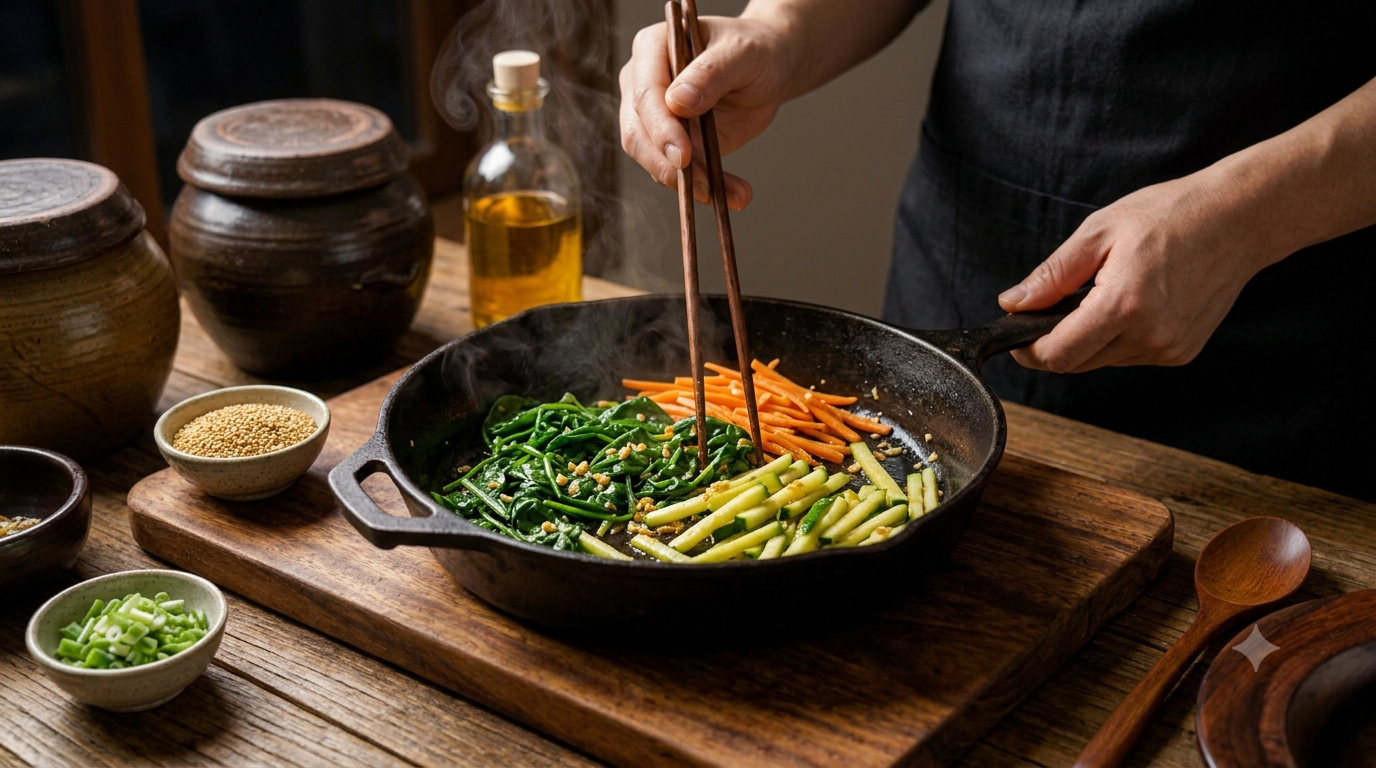
Step 3: Mix the bibimbap sauce
In a small bowl, combine the gochujang, sesame oil, water, rice vinegar, honey or sugar, and optional soy sauce and garlic. Stir until smooth. Add another teaspoon of water if you want a thinner sauce that is easier to mix into the rice.
Taste the sauce before adding it to your bowl. For a sweeter flavor, add a little more honey or sugar. For more tang, add a few drops of rice vinegar. For extra heat, increase the gochujang gradually rather than adding a large amount at once.
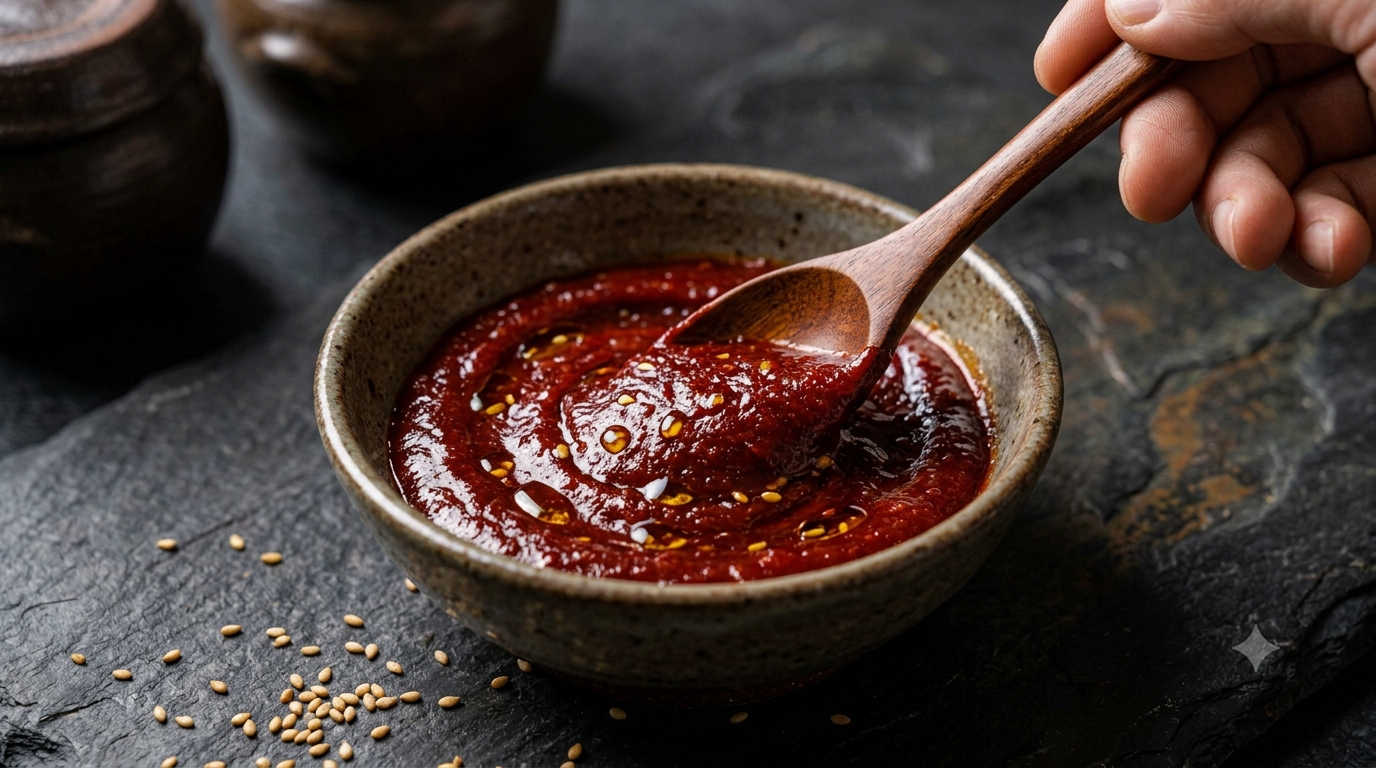
If you are new to Korean chili paste, read our guide to how to use gochujang for more ideas beyond bibimbap, including dipping sauces, marinades, and quick weeknight meals.
Recommended ingredient: Korean gochujang
Gochujang is the main chili paste in this sauce. Choose a heat level that suits your household, and start with a small amount if you are unfamiliar with the brand.
Step 4: Fry the eggs and assemble the bowls
Fry two eggs in a lightly oiled skillet, cooking them to your preferred doneness. A sunny-side-up egg is a popular topping because its yolk can mix into the rice and sauce. If you prefer a fully cooked yolk, cook the eggs longer or cover the pan briefly to help the tops set.
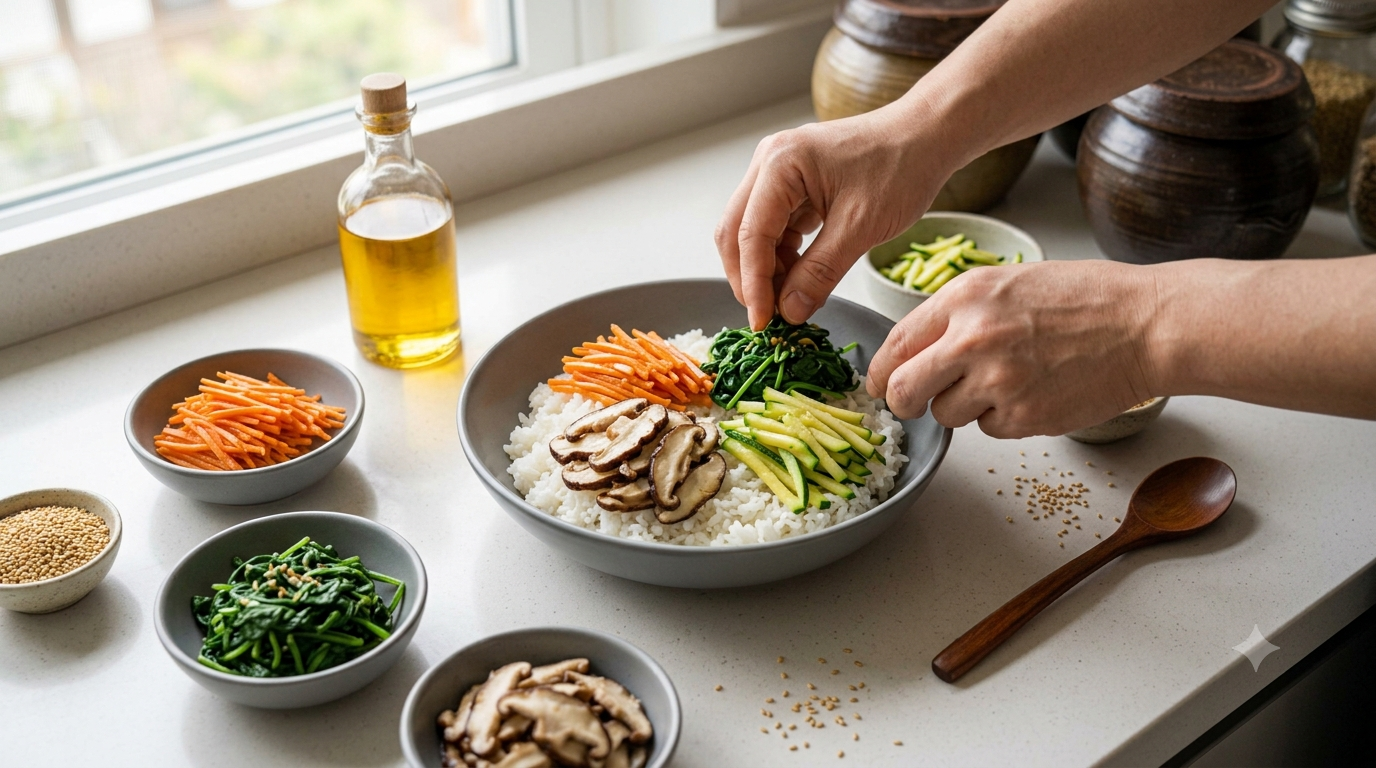
Divide the warm rice between two bowls. Arrange the carrots, zucchini, mushrooms, spinach, and bean sprouts in separate sections on top. Add the eggs and any cooked beef, chicken, or tofu you are using. Spoon the gochujang sauce over the bowl, starting with a little and adding more to taste.
Step 5: Finish with sesame oil and optional toppings
Add a small drizzle of sesame oil and sprinkle sesame seeds over the bowl if desired. You can also add sliced green onions, roasted seaweed flakes, kimchi, or thinly sliced cucumber for extra flavor and texture.
For more ideas on choosing and using this aromatic ingredient, see our guide to how to use Korean sesame oil. A little goes a long way, so add it gradually rather than letting it overpower the vegetables and sauce.
Roasted seasoned seaweed flakes make a convenient finishing touch. Sprinkle them over the bowl just before serving to retain more of their texture.
Optional topping: Roasted seasoned seaweed flakes
Use seaweed flakes as a finishing garnish for a savory, lightly crisp topping. Add them at the end rather than cooking them with the vegetables.
Regular Bibimbap vs. Dolsot Bibimbap
You do not need special cookware to make bibimbap at home. A regular bowl works well for warm rice, vegetables, egg, and your choice of protein. Bibimbap is not limited to vegetables, and it does not have to be served cold.
Dolsot bibimbap is served in a specially heated stone bowl. The hot stone retains heat, keeps the meal hot longer, and can create a crispy layer of rice at the bottom. It is a good option if you enjoy the contrast between soft rice and a toasted, crunchy base.
A Korean ttukbaegi is an earthenware pot, not the same thing as a traditional stone dolsot. Some earthenware pots are designed for particular heat sources and others are not. If you are considering one for cooking, check the manufacturer’s instructions before using it on a stovetop or other direct heat source. Do not assume that every ceramic or earthenware serving pot is suitable for direct heat.
Optional cookware: Korean-style earthenware pot
An earthenware pot may be useful for serving certain Korean soups and stews, depending on the product’s intended use. Confirm the listed capacity, heat-source compatibility, and care instructions before purchasing or cooking with it.
Easy Bibimbap Variations
Beef bibimbap
Use thinly sliced beef cooked with a little soy sauce, garlic, and black pepper. Cook it thoroughly and arrange it over the rice with the vegetables and egg.
Chicken bibimbap
Use leftover cooked chicken or quickly sauté thin strips of chicken with a little soy sauce and garlic. Make sure the chicken is fully cooked before serving.
Vegetarian bibimbap
Leave out the meat and add tofu, mushrooms, or extra vegetables. Check the ingredients of any prepared sauce or seasoning if you need the meal to meet specific dietary requirements.
Quick leftover-vegetable bibimbap
Have a few cooked vegetables left from another meal? Reheat them safely, prepare fresh rice if needed, fry an egg, and mix a small batch of sauce. This is one of the easiest ways to turn small portions of vegetables into a complete meal.
Common Bibimbap Problems and How to Fix Them
Why is my bibimbap watery?
Vegetables such as spinach, zucchini, and bean sprouts can release moisture. Drain blanched vegetables thoroughly, squeeze excess water from spinach, and cook mushrooms until their liquid evaporates. Add the sauce gradually rather than pouring it all in at once.
Why is my bibimbap sauce too spicy?
Mix in a little more water and a small amount of honey or sugar to soften the heat. Add more rice or vegetables to the bowl as well. In the next batch, start with less gochujang and increase it after tasting.
What can I use if I cannot find Korean vegetables?
Use familiar supermarket vegetables such as carrots, spinach, zucchini, mushrooms, cucumber, or cabbage. The exact combination is flexible. Cut the vegetables into manageable pieces and cook each one according to its texture and moisture level.
Can I make bibimbap without gochujang?
Yes. The result will have a different flavor, but you can use a simple soy-sesame dressing or another sauce you enjoy. If you want a closer Korean-style flavor, look for gochujang at a Korean grocery store or in the international aisle of a supermarket.
Storage and Make-Ahead Tips
- Prepare ahead: Cook the vegetables and protein in advance, then refrigerate them in separate airtight containers.
- Store the sauce separately: Keep leftover sauce in a covered container in the refrigerator and stir before using.
- Refrigerate promptly: Refrigerate cooked rice and other perishable leftovers within two hours, or within one hour if the surrounding temperature is above 90°F (32°C). Use shallow containers to help food cool quickly.
- Reheat safely: Reheat leftovers thoroughly to 165°F (74°C). Add freshly cooked eggs and crunchy toppings when serving if you prefer their original texture.
- Do not leave cooked rice at room temperature: Store it promptly and follow food-safety guidance for cooked rice and leftovers.
Frequently Asked Questions
What rice is best for bibimbap?
Short-grain or medium-grain rice is a good choice because it holds together well and is easy to mix with the toppings. Use the rice you have available, cooked according to its package instructions.
Do I have to use a stone bowl to make bibimbap?
No. A regular serving bowl is suitable for everyday bibimbap. A dolsot is an optional specialty serving bowl used for a hot version that can develop a crispy rice crust.
Is bibimbap supposed to be mixed?
Yes. The name refers to mixed rice. You can arrange the toppings neatly for serving, then mix the rice, vegetables, protein, egg, and sauce together before eating.
Can I make bibimbap without meat?
Yes. Bibimbap can be made with vegetables and egg, or with tofu as a protein option. Choose the ingredients and seasonings that suit your preferences.
How much gochujang should I add?
Start with one or two teaspoons of sauce per bowl, mix, and taste. Add more gradually until the flavor and heat are right for you. The full sauce recipe above makes enough for two servings, depending on how generously you season each bowl.
Can I use leftover rice?
Yes, provided it was cooled and refrigerated promptly and stored safely. Reheat it thoroughly before serving. Avoid using rice that has been left at room temperature for an extended period.
Make Bibimbap Your Own
Learning how to make bibimbap at home is less about following one rigid combination and more about balancing rice, vegetables, protein, and sauce. Start with the ingredients you can easily find, keep watery vegetables well drained, and add gochujang gradually until the flavor suits you.
Once you have the basic method down, try different toppings and sauces to find your favorite combination. If you make this recipe, share which vegetables or protein you used in the comments.
Affiliate disclosure: Some links in this article are affiliate links. If you purchase through them, NooklyGems may earn a commission at no additional cost to you.