

Disclosure: This post contains affiliate links. As an Amazon Associate, NooklyGems may earn from qualifying purchases at no extra cost to you.
If there is one ingredient that can make a simple Korean meal feel complete, it is a small drizzle of golden sesame oil.
Picture a warm bowl of white rice topped with colorful vegetables, a fried egg, and a spoonful of gochujang. The ingredients are simple, but when you add a little Korean sesame oil, a rich, toasted aroma rises from the bowl. Suddenly, the whole meal smells warmer, tastes more savory, and feels unmistakably Korean.
That fragrant oil is called chamgireum (참기름). It is a staple in Korean home cooking, used to season vegetables, finish rice bowls, enrich sauces, and add depth to everyday dishes.
One common mistake is using toasted sesame oil as the main cooking oil for every dish. Its distinctive roasted aroma is often best preserved by adding it near the end of cooking.
Here are five practical ways to use Korean sesame oil, how to choose the right bottle, and how to keep its distinctive flavor fresh.
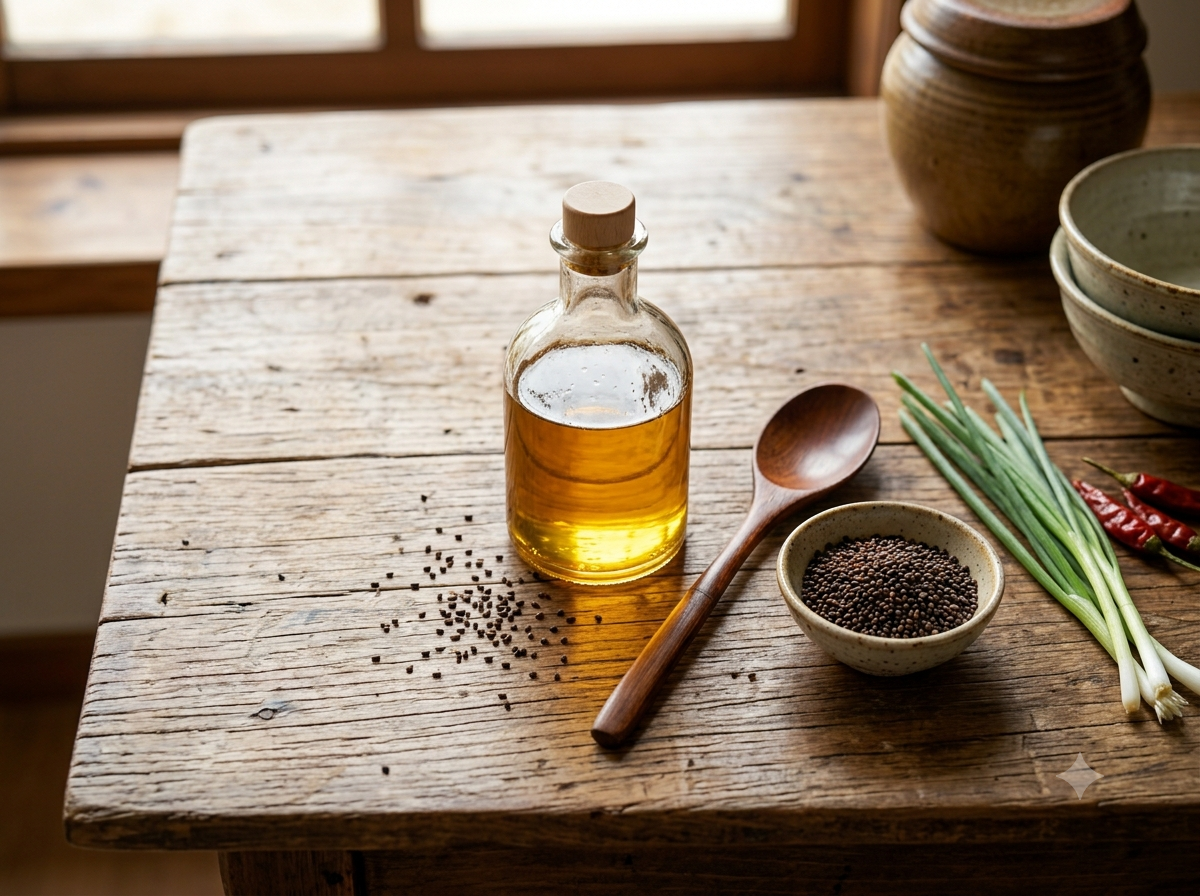
What Makes Korean Sesame Oil Different?
Korean sesame oil is celebrated for its deep, roasted, nutty flavor. Unlike neutral cooking oils used primarily for frying, it contributes its own distinctive aroma, which is why a small amount can transform a dish.
In traditional Korean cooking, it is commonly used in namul (seasoned vegetable dishes), bibimbap, dipping sauces, noodle dishes, and marinades. Rather than acting as the main cooking fat in every recipe, toasted sesame oil is often used as a finishing seasoning.
When shopping in the United States, look for toasted or roasted sesame oil to get the familiar, robust flavor associated with Korean cuisine. Lighter, untoasted sesame oils have a milder taste and may work differently in recipes, so check the product label when choosing one.
If you are building your kitchen pantry, explore the core recommendations in our essential Korean pantry guide.
★ Essential Pantry Pick
OTTOGI 100% Pure Roasted Sesame Oil, 320 ml
A practical pantry staple for home cooks who want a rich, roasted sesame aroma in bibimbap, seasoned vegetables, sauces, and soups.
1. Finish Bibimbap with a Nutty Drizzle
Bibimbap is one of the easiest ways to understand the role of Korean sesame oil. Rice, vegetables, egg, and gochujang each bring distinct textures and flavors, while sesame oil ties them together with its warm, roasted aroma.
To make a simple bowl at home:
- Add warm rice to a serving bowl.
- Arrange cooked spinach, carrots, bean sprouts, or mushrooms on top.
- Add a fried egg and gochujang to taste.
- Finish with about ½ teaspoon of toasted sesame oil, mix well, and taste before adding more.
You do not need a complex spread. Leftover vegetables and a freshly cooked egg are enough for a satisfying meal. The sesame oil adds fragrance without requiring heavy sauces.
For extra texture, sprinkle a small amount of roasted sesame seeds over the top.
2. Make Korean Seasoned Vegetables (Namul)
In a Korean home, meals often include small side dishes called banchan. One popular option is namul, made by seasoning vegetables so their natural flavors shine through.
Spinach, bean sprouts, and zucchini work well. The key is to drain cooked vegetables thoroughly before seasoning so the finished dish does not become watery.
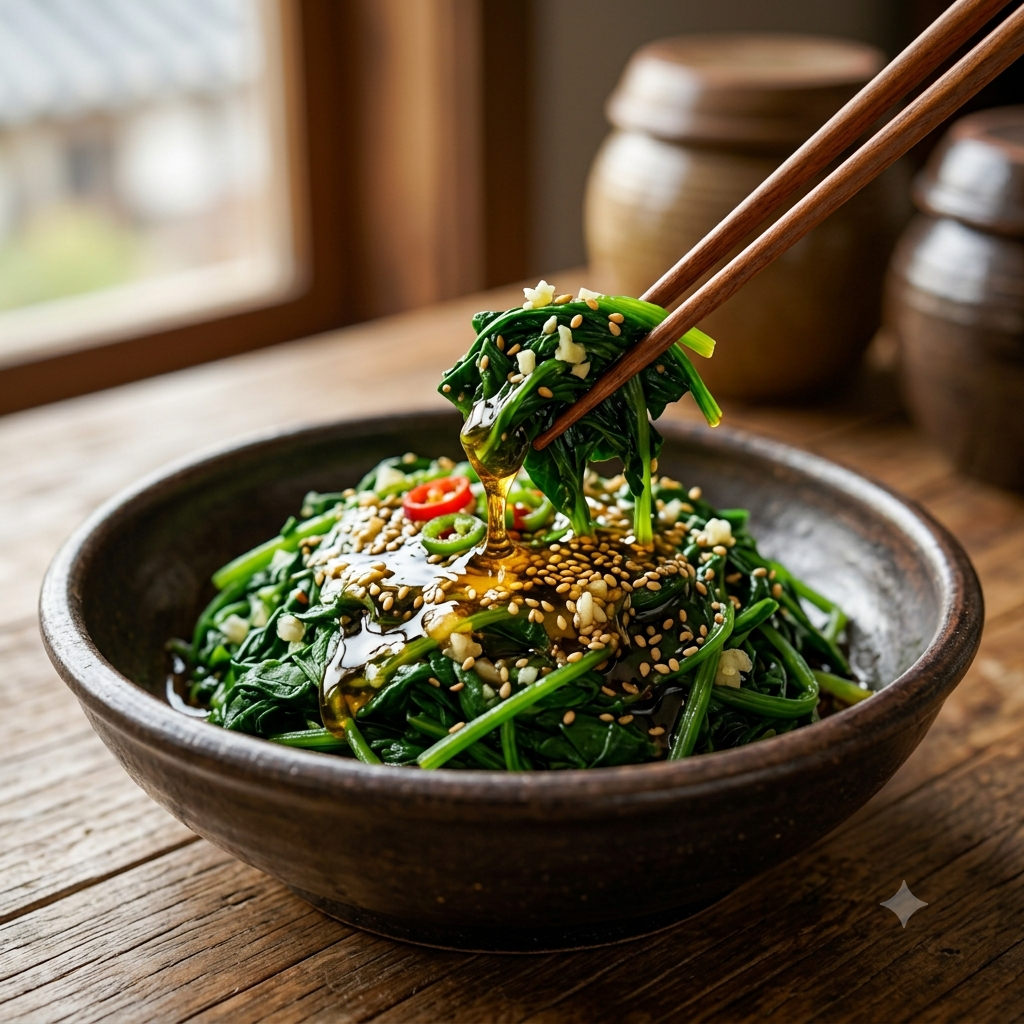
A Quick Namul Seasoning Formula
For approximately 2 cups of well-drained cooked vegetables, combine:
- 1 teaspoon toasted sesame oil
- 1 small garlic clove, finely minced (optional)
- A pinch of salt or a small splash of light soy sauce
- 1 teaspoon roasted sesame seeds
Let the vegetables cool slightly, then gently toss them with the seasonings. Taste before adding more salt or oil to keep the flavor balanced.
Optional Companion Ingredient
Wang Premium Roasted & Toasted Sesame Seeds, 8 oz
Add a pleasant crunch and nutty flavor to namul, rice bowls, and noodle dishes.
3. Mix a Simple Sesame Oil Dipping Sauce
Some of the best meals rely on pantry shortcuts: frozen dumplings, plain tofu, or quick vegetable pancakes. A simple dipping sauce brings these everyday foods to life.
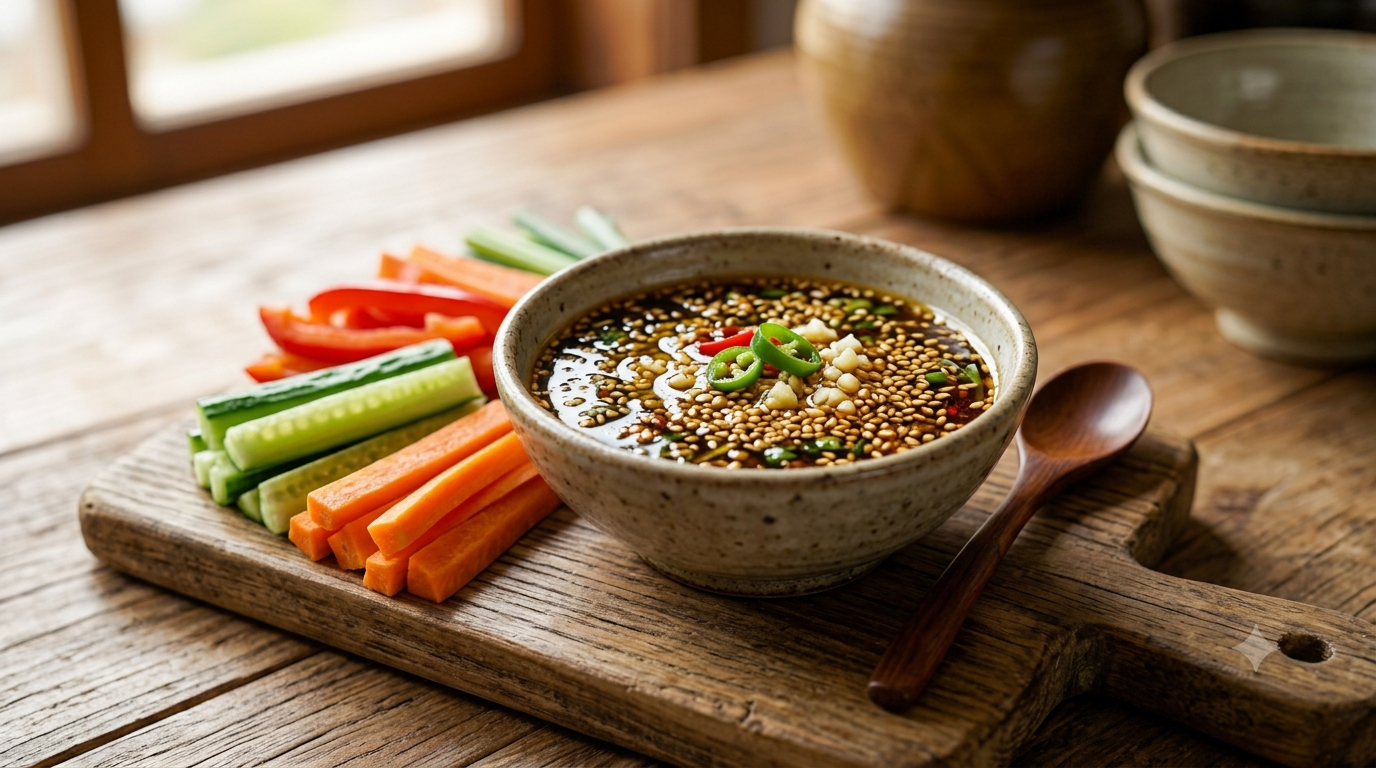
Easy Korean-Style Dipping Sauce
Whisk together in a small bowl:
- 2 tablespoons soy sauce
- 1 teaspoon rice vinegar
- ½ teaspoon toasted sesame oil
- 1 teaspoon sliced green onion
- A pinch of sesame seeds
Taste and adjust the seasoning. If the mixture is too salty, add a splash of water. For mild heat, add a pinch of Korean red pepper flakes (gochugaru).
For more ideas on pairing sauces, read our guide on how to use gochujang in everyday meals.
4. Add Flavor to Noodles and Marinades
When noodles or stir-fries taste a bit flat, toasted sesame oil provides an immediate aromatic lift. Toss cooked noodles with soy sauce and vegetables, then add a small drizzle of sesame oil just before serving.
It also works well in simple meat or tofu marinades. For a basic marinade, combine:
- 2 tablespoons soy sauce
- 1 teaspoon toasted sesame oil
- 1–2 minced garlic cloves
- 1 teaspoon honey or brown sugar
Adjust the quantities to suit the amount of meat or tofu you are preparing. Marinate in the refrigerator, not at room temperature. If the marinade touches raw meat, discard it after use unless you boil it thoroughly before serving it as a sauce.
Timing matters: Toasted sesame oil is valued for its distinctive aroma, which can fade with prolonged heating. Add it near the end of cooking or off the heat for a more noticeable roasted flavor. For high-heat searing, use an oil suited to the cooking temperature and finish with sesame oil if desired.
5. Store Sesame Oil Properly to Protect Its Aroma
Because sesame oil is typically used in small quantities, a bottle can last for weeks or longer. Proper storage helps preserve its flavor between uses.
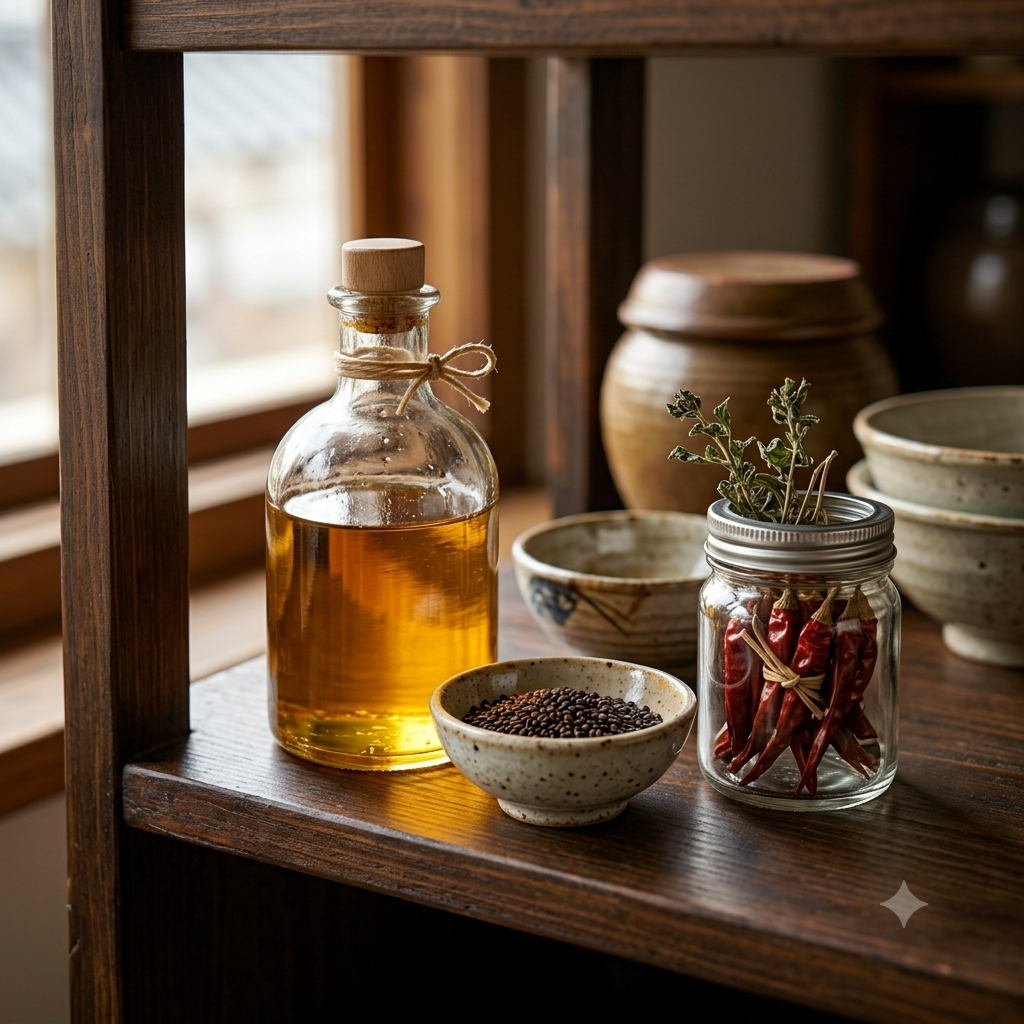
Follow these guidelines:
- Keep it cool and dark: Store the bottle in a cupboard away from direct sunlight and stove heat.
- Seal tightly: Close the cap securely after each use to minimize air exposure.
- Check the label: Follow the manufacturer’s storage recommendations. If the oil develops a stale or rancid smell, do not use it.
Frequently Asked Questions
Can I put Korean sesame oil directly on rice?
Yes. A small drizzle over warm rice, mixed with a pinch of salt and sesame seeds or topped with a fried egg, makes a quick and comforting meal.
Should Korean sesame oil be refrigerated?
Check the instructions on your specific bottle. Many roasted sesame oils can be stored in a cool, dark pantry, while some brands recommend refrigeration after opening. Follow the manufacturer’s directions for your product.
Where can I buy Korean sesame oil in the US?
You can find Korean sesame oil at Korean grocers, major Asian supermarkets, the international aisle of some local supermarkets, or online retailers such as Amazon. Look for a product labeled toasted or roasted if you want a rich, nutty aroma.
Conclusion
Using Korean sesame oil well comes down to timing and moderation. Add a small amount near the end of cooking or just before serving to bring a rich, nutty aroma to rice bowls, seasoned vegetables, noodles, and dipping sauces.