

As an Amazon Associate, I earn from qualifying purchases.
A clothes steamer can make everyday clothing care much easier, but choosing the right one is not simply about buying the model with the highest wattage or the most reviews.
The best clothes steamer for you depends on how you plan to use it. A steamer for everyday home use has different priorities from one designed for international travel.
In this guide, we will look at the practical differences that matter most, including power, water tank size, voltage, fabric care, portability, and common problems such as water spitting.
Table of Contents
- What Is a Clothes Steamer?
- Clothes Steamer vs. Iron
- How to Choose the Right Clothes Steamer
- How Much Power Do You Need?
- How Much Water Tank Capacity Do You Need?
- Why Voltage Matters
- Which Fabrics Can You Steam?
- Common Clothes Steamer Problems
- How to Choose a Travel Steamer
- Three Clothes Steamers to Consider
- Clothes Steamer Buying Mistakes to Avoid
- Final Thoughts
What Is a Clothes Steamer?
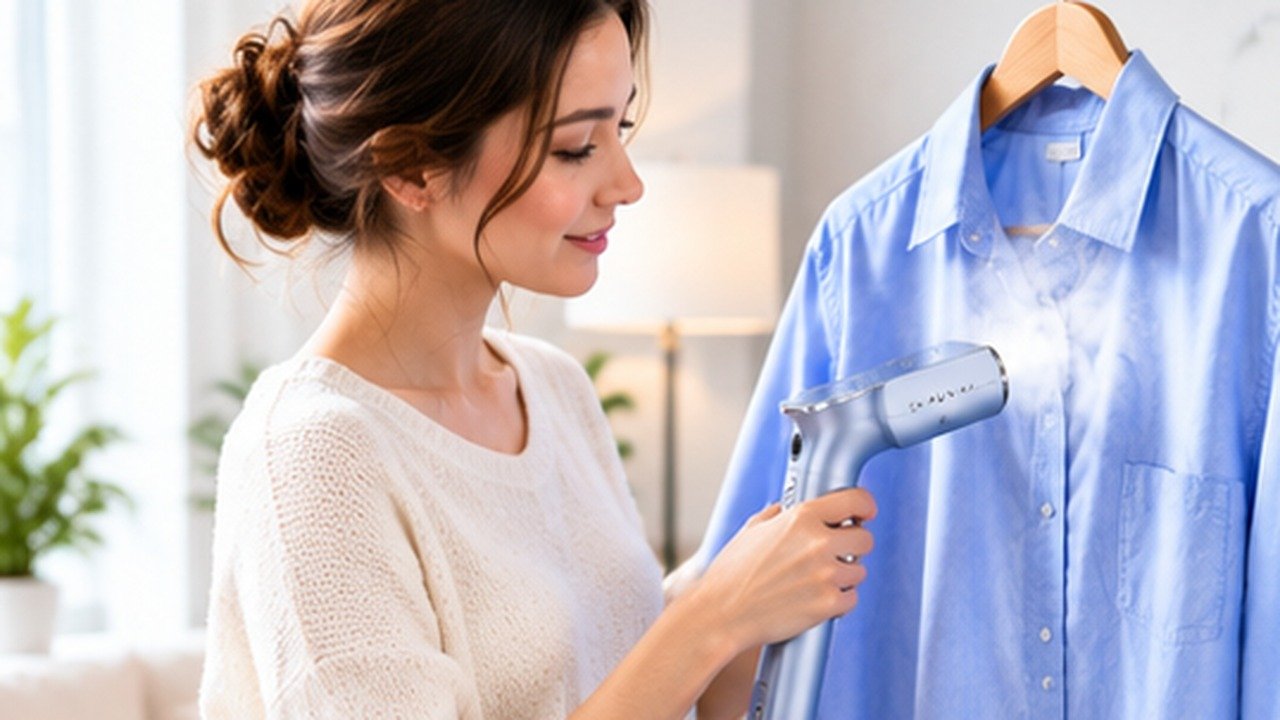
A clothes steamer uses heated water to produce steam that helps relax wrinkles in clothing.
Unlike a traditional iron, you generally do not need an ironing board. Many handheld steamers are designed to work with clothes hanging vertically, making them convenient for quick touch-ups before work, dinner, travel, or an event.
Steamers are especially useful when you want to freshen up shirts, dresses, jackets, blouses, and other garments without setting up a full ironing station.
However, a clothes steamer is not a complete replacement for an iron in every situation. If you want extremely sharp creases or a very pressed finish, an iron can still be the better tool.
Clothes Steamer vs. Iron
The easiest way to decide between a steamer and an iron is to think about the result you actually need.
- Choose a clothes steamer for quick wrinkle removal from hanging clothes.
- Choose an iron when you need crisp creases and a very pressed finish.
- Consider a versatile handheld model if you want to handle different types of clothing without an ironing board.
A steamer can be particularly convenient in a small home because you can use it without setting up a large ironing board.
If storage space is already limited, you may also want to see our guide to small closet organization ideas.
How to Choose the Right Clothes Steamer
Before comparing brands, decide how you will actually use the steamer.
1. Start With Your Typical Use
Will the steamer stay at home, or will you carry it in a suitcase?
For regular home use, water capacity, comfortable handling, and sufficient steam power can matter more than the smallest possible size.
For travel, weight, packed size, and voltage compatibility become much more important.
This is why there is no single clothes steamer that is perfect for everyone.
2. Think About the Clothing You Steam Most Often
A person who mainly steams T-shirts and lightweight synthetic clothing has different needs from someone who regularly steams cotton dress shirts, heavier fabrics, or structured clothing.
If your wardrobe contains many easily wrinkled work shirts, you may benefit from stronger steam output and a design that allows you to work through several garments efficiently.
3. Consider How Long You Normally Steam
Do you normally fix one outfit before leaving the house, or do you steam several garments in one session?
This question helps determine how much water capacity you really need.
A compact tank may be perfectly convenient for one or two garments but frustrating if you regularly prepare an entire week’s wardrobe.
How Much Power Do You Need?
Wattage is one of the specifications people notice first, but it should not be considered by itself.
Higher wattage can support faster heating and stronger steam production, but the overall design of the steamer also matters.
For example, the three models discussed in this guide represent very different approaches.
- HiLIFE: compact everyday handheld design with 700W power and a larger 240ml tank.
- Conair: much higher 1875W power with multiple steam settings for stronger wrinkle removal.
- iLAKE: travel-focused design where voltage compatibility is a major consideration.
The important point is that more power is not automatically better for every person.
If your priority is quick, powerful wrinkle removal, a higher-powered model may make sense. If you mainly need simple touch-ups and prefer a lighter, more compact appliance, a lower-powered model may be enough.
How Much Water Tank Capacity Do You Need?
Water tank size is another important trade-off.
A larger tank generally means fewer refills, but it can also increase the size and weight of the appliance.
Think about your normal routine:
- One outfit: a compact tank may be enough.
- Several work outfits: a larger tank can be more convenient.
- Travel: a smaller tank may be worthwhile to save space and weight.
For example, the HiLIFE model is listed with a 240ml tank and up to 15 minutes of continuous steaming, making its relatively large tank one of its practical advantages for a compact handheld steamer.
On the other hand, a travel-oriented model may intentionally use a smaller tank because portability is more important.
Why Voltage Matters
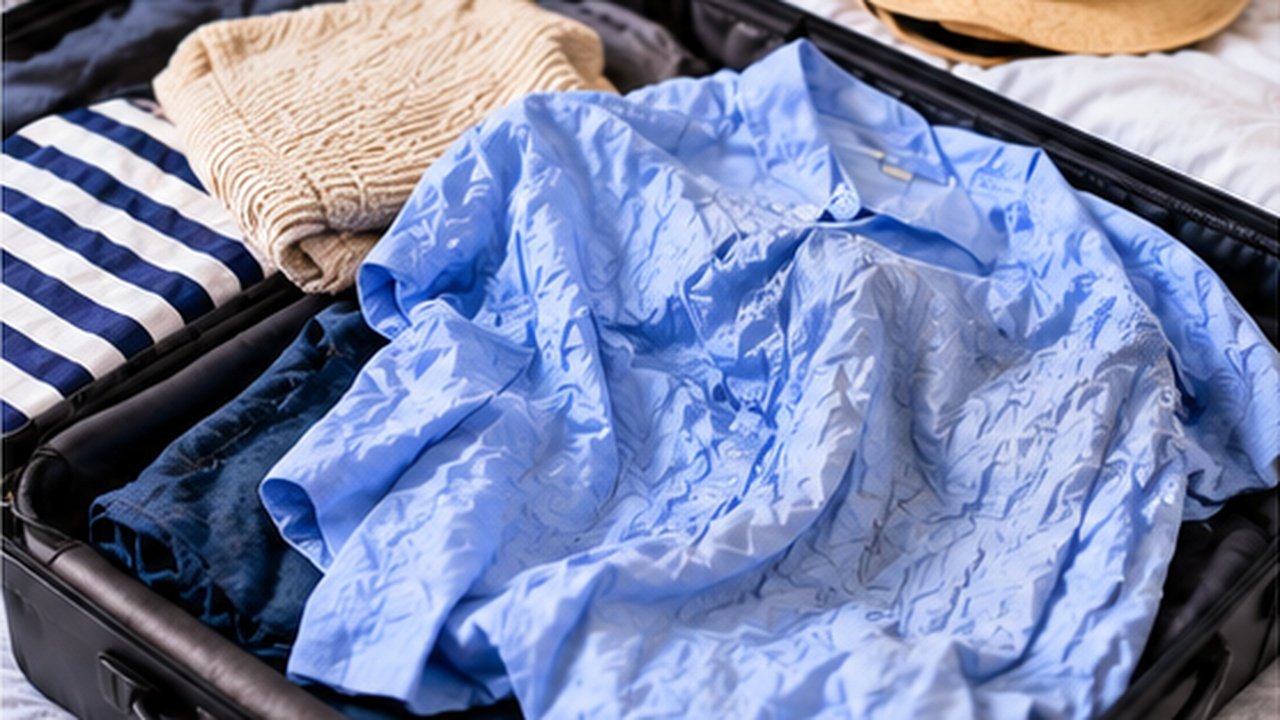
If you plan to use a clothes steamer outside your home country, voltage should be one of the first specifications you check.
A plug adapter changes the physical shape of the plug. It does not automatically convert the electrical voltage.
This is especially important for heating appliances such as steamers.
For example, the HiLIFE model discussed in this guide is designed for 110–120V use and should not be connected directly to a 220–240V outlet. Always check the exact model’s electrical specifications before international travel.
A dual-voltage travel steamer is a different category because it is designed to accommodate a wider range of electrical systems.
When choosing a travel steamer, do not assume that the word “portable” or “travel” means worldwide voltage compatibility.
Which Fabrics Can You Steam?
Always check the garment care label before steaming.
Steam can be useful for many common fabrics, but different materials have different care requirements.
For delicate garments, start with a low setting when available and test a small, inconspicuous area first.
Keep the steamer moving rather than concentrating steam in one spot for too long.
If the garment manufacturer specifically says not to steam the fabric, follow that instruction.
Common Clothes Steamer Problems
Why Is My Clothes Steamer Spitting Water?
Water spitting is one of the most common frustrations with handheld steamers.
Possible causes can include:
- Overfilling the water tank
- Not allowing the steamer to heat completely
- Using the appliance in a position that is not recommended
- Water remaining in the steam path
- Mineral buildup
Start by checking the maximum fill line and the manufacturer’s instructions.
Do not assume that more water means more steam. Overfilling can actually create problems.
What If the Steamer Takes Too Long?
If you are constantly preparing clothes at the last minute, heat-up time becomes more important.
A higher-powered model may heat more quickly, while a smaller or lower-powered model may take longer.
Think about your routine rather than simply choosing the largest number on the specification sheet.
What If Your Wrist Gets Tired?
Weight and balance become important when steaming several garments.
A compact steamer can still feel tiring if the weight is concentrated awkwardly around the steam head.
This is one reason travel size should not be the only consideration when choosing a steamer for everyday home use.
How to Choose a Travel Steamer
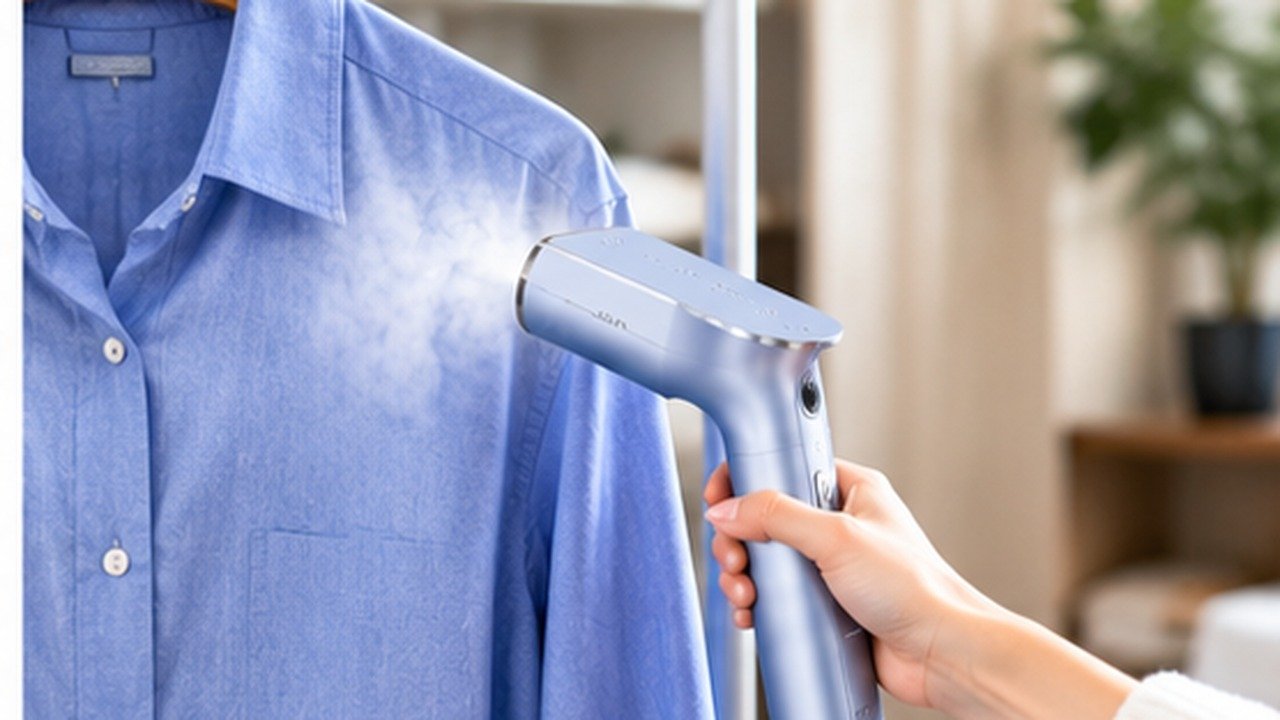
A travel steamer should be judged differently from a home steamer.
Before putting one in your suitcase, check these five things:
- Voltage: Does it support the electrical system at your destination?
- Size: Will it fit comfortably in your luggage?
- Weight: Is it light enough for your trip?
- Tank size: Is there enough water capacity for your normal touch-ups?
- Handling: Can you comfortably steam clothing vertically?
Voltage should come first because a compact steamer is not useful if it is not electrically compatible with your destination.
Three Clothes Steamers to Consider
HiLIFE: Compact Everyday Handheld Steamer
HiLIFE is a useful option to consider if your priority is a compact handheld steamer for everyday wrinkle removal.
The model used for this guide has a 700W design, a 240ml water tank, and is intended for 110–120V environments.
Its larger tank is useful when you want to steam several pieces of clothing without constantly refilling the reservoir.
The important limitation is voltage. If you travel internationally, do not assume that its compact size makes it a worldwide travel steamer.
HiLIFE Clothes Steamer
Conair: Higher-Power Handheld Steamer
Conair takes a different approach from the compact 700W class.
The Conair model used in this guide features a powerful 1875W steam generator, five steam settings, approximately 40 seconds of heat-up time, and up to 20 minutes of continuous steaming.
It also includes attachments designed for different fabric-care tasks and a built-in creaser for sharper pleats and folds.
This makes it a useful comparison when your priority is stronger steam output and more control rather than simply choosing the smallest appliance.
If you regularly deal with heavier wrinkles or want more versatility for clothing and upholstery, this type of higher-powered handheld design is worth considering.
Conair Handheld Steamer
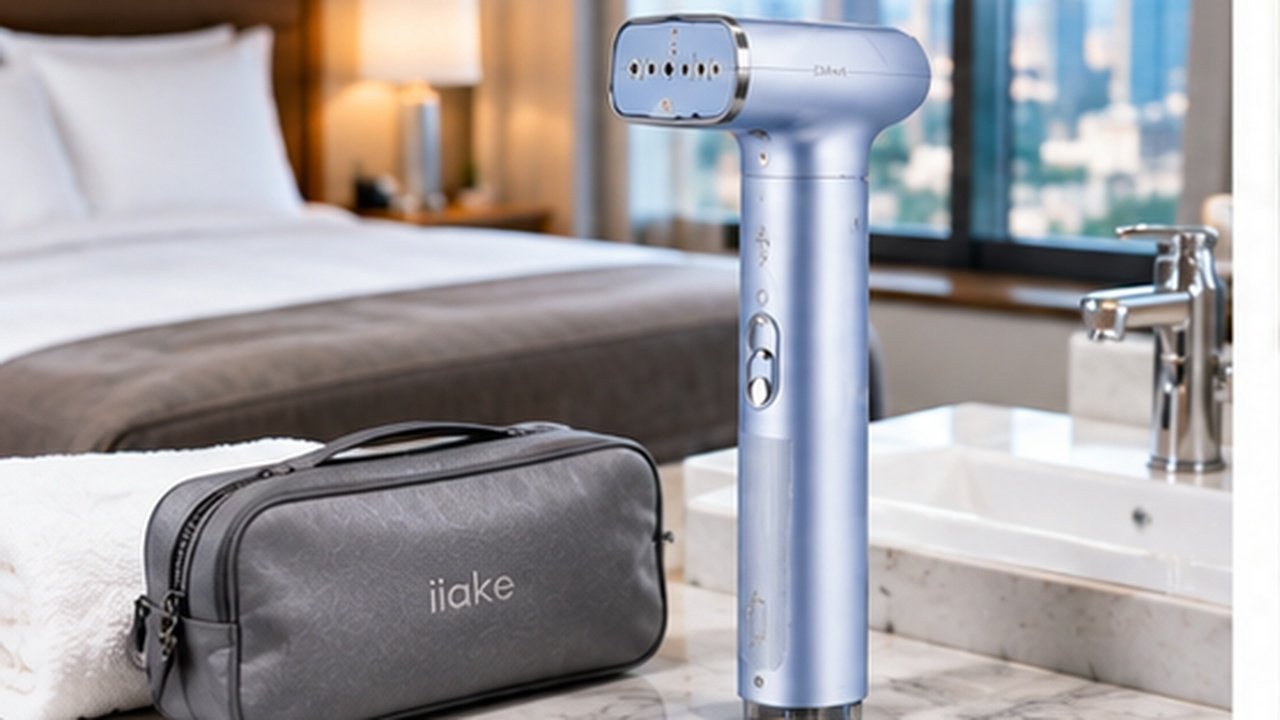
iLAKE: Travel-Focused Dual-Voltage Option
If international travel is the main reason you want a clothes steamer, the decision changes.
The iLAKE model is designed around portability and dual-voltage travel use, making voltage compatibility a major reason to consider this type of steamer.
A travel-oriented steamer usually makes a different compromise from a home model: you give up some tank capacity or overall size in exchange for easier packing.
Before traveling, always verify the voltage range printed on the exact appliance and use the appropriate plug adapter for the destination.
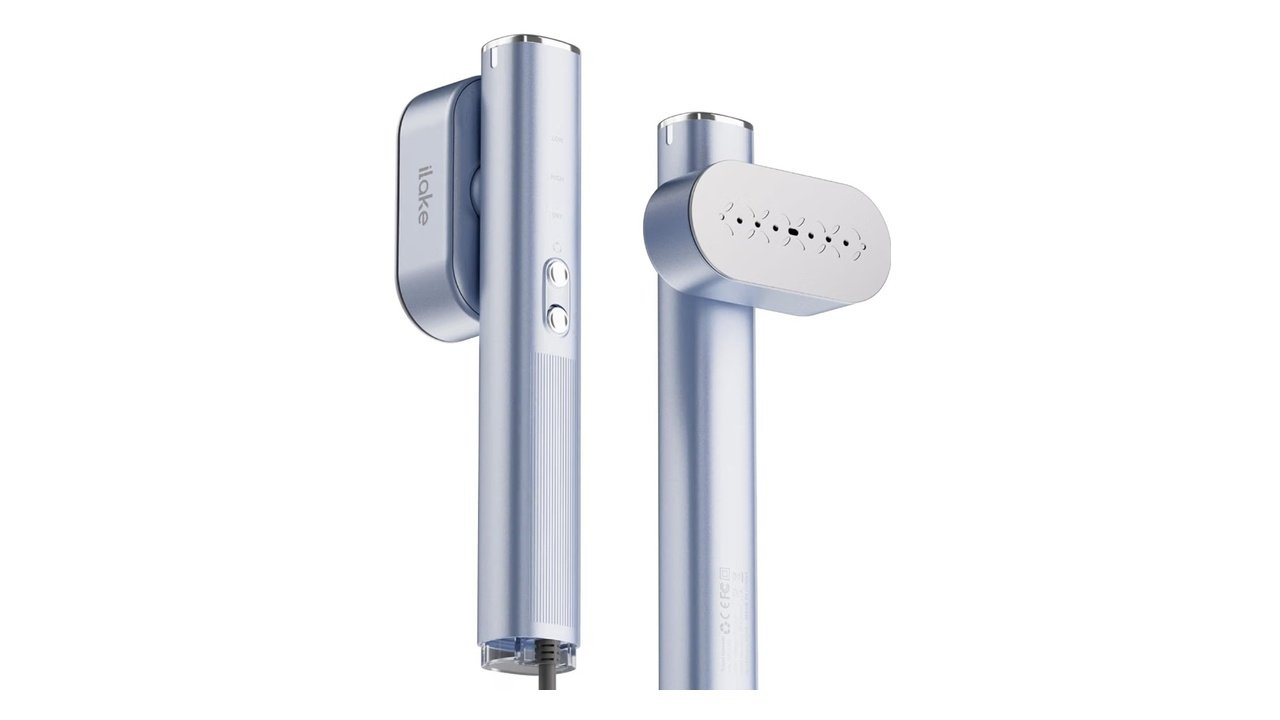
iLAKE Travel Steamer
Clothes Steamer Buying Mistakes to Avoid
Mistake 1: Choosing Only by Reviews
A large number of reviews can be useful, but reviews do not tell you whether a particular steamer matches your needs.
Always check power, voltage, tank capacity, size, and intended use.
Mistake 2: Assuming Travel Means Dual Voltage
A product can be compact enough for a suitcase and still be designed for only one voltage system.
Always check the actual electrical specifications.
Mistake 3: Buying the Smallest Model for Home Use
The smallest steamer may be convenient to store but frustrating if you regularly steam several garments.
If you use a steamer several times a week, tank capacity and comfortable handling deserve more attention.
Mistake 4: Choosing Only by Wattage
Higher wattage can be useful, but it is not the only factor that determines whether a steamer fits your routine.
Compare power with tank capacity, steam settings, handling, heat-up time, and intended use.
Mistake 5: Leaving Water Inside After Use
Follow the manufacturer’s instructions for emptying and storing the appliance after use.
Leaving water inside unnecessarily can contribute to leaks or mineral buildup depending on the appliance and water quality.
For more practical organization ideas around clothing care, see our laundry room organization ideas.
Final Thoughts
The best clothes steamer is not necessarily the most powerful, the smallest, or the most popular.
The better choice depends on how you actually plan to use it.
- For everyday home use: look for comfortable handling and enough tank capacity.
- For stronger wrinkle removal: consider a higher-powered handheld model.
- For travel: prioritize size, weight, and especially voltage compatibility.
- For frequent use: consider how long you can steam before needing to refill.
- For crisp creases: remember that an iron may still be the better tool.
Once you understand these differences, comparing clothes steamers becomes much easier.
Instead of asking which steamer is simply “the best,” start by asking a more useful question: Which clothes steamer fits the way I actually live and travel?
[…] steamer at home, you may also want to compare your travel needs with a larger home model. Our Clothes Steamer Guide explains the major differences between handheld steamers, irons, and different types of garment […]
[…] For a broader comparison of power, tank size, heat-up time, and everyday use, see our clothes steamer guide. […]
[…] leaks, and burned fabrics. Before you make a purchase, it is also wise to check our comprehensive clothes steamer guide to understand how different models operate. To help you secure the ultimate garment care solution, […]
[…] you regularly deal with wrinkled clothing, our clothes steamer guide explains what to look for in power, tank size, fabric compatibility, and travel […]