

Disclosure: This article contains affiliate links. If you purchase through links in this article, we may earn a commission at no additional cost to you.
Learning how to label storage bins can make closets, garages, seasonal storage, and shared family spaces much easier to manage. A simple labeling system helps you know what is inside each bin without opening every container, while also making it easier for everyone in the household to put things back where they belong.
In this guide, you’ll find 15 simple ideas for labeling storage bins and creating a home organization system that is easy to use and maintain.
In this guide:
- How to Label Storage Bins: Start by Sorting Your Storage Bins
- Use Clear and Specific Labels
- Keep Labels Short and Easy to Read
- Put Labels on the Front of the Bin
- Use the Same Label Style Throughout One Area
- Label Seasonal Clothing and Decorations
- Label Kids’ Clothes by Size
- Create Labels for Holiday and Gift Supplies
- Use Labels for Garage and Utility Storage
- Label Bins for Keepsakes and Important Items
- Don’t Put Too Much Information on One Label
- Number Storage Bins When You Have Many
- How to Label Storage Bins with a Bluetooth Label Maker
- Make Your Storage System Easy for the Whole Family
- Create a Simple Labeling System You Can Maintain
1. How to Label Storage Bins: Start by Sorting Your Storage Bins
Before creating labels, take a few minutes to sort your storage bins by category. Group similar items together instead of labeling each bin based on individual objects.
For example, instead of creating labels such as “red sweater,” “blue sweater,” and “winter scarf,” consider using a broader category such as “Winter Clothing.”
This approach makes your labeling system easier to maintain because you can add or remove individual items without needing to create a completely new label.
2. Use Clear and Specific Labels
The best storage bin labels tell you what is inside without requiring much thought. Try to use simple words that describe the main category of items.
Labels such as “Towels,” “Kids’ Clothes,” “Holiday Decor,” “Craft Supplies,” or “Electronics” are usually easier to understand than long descriptions.
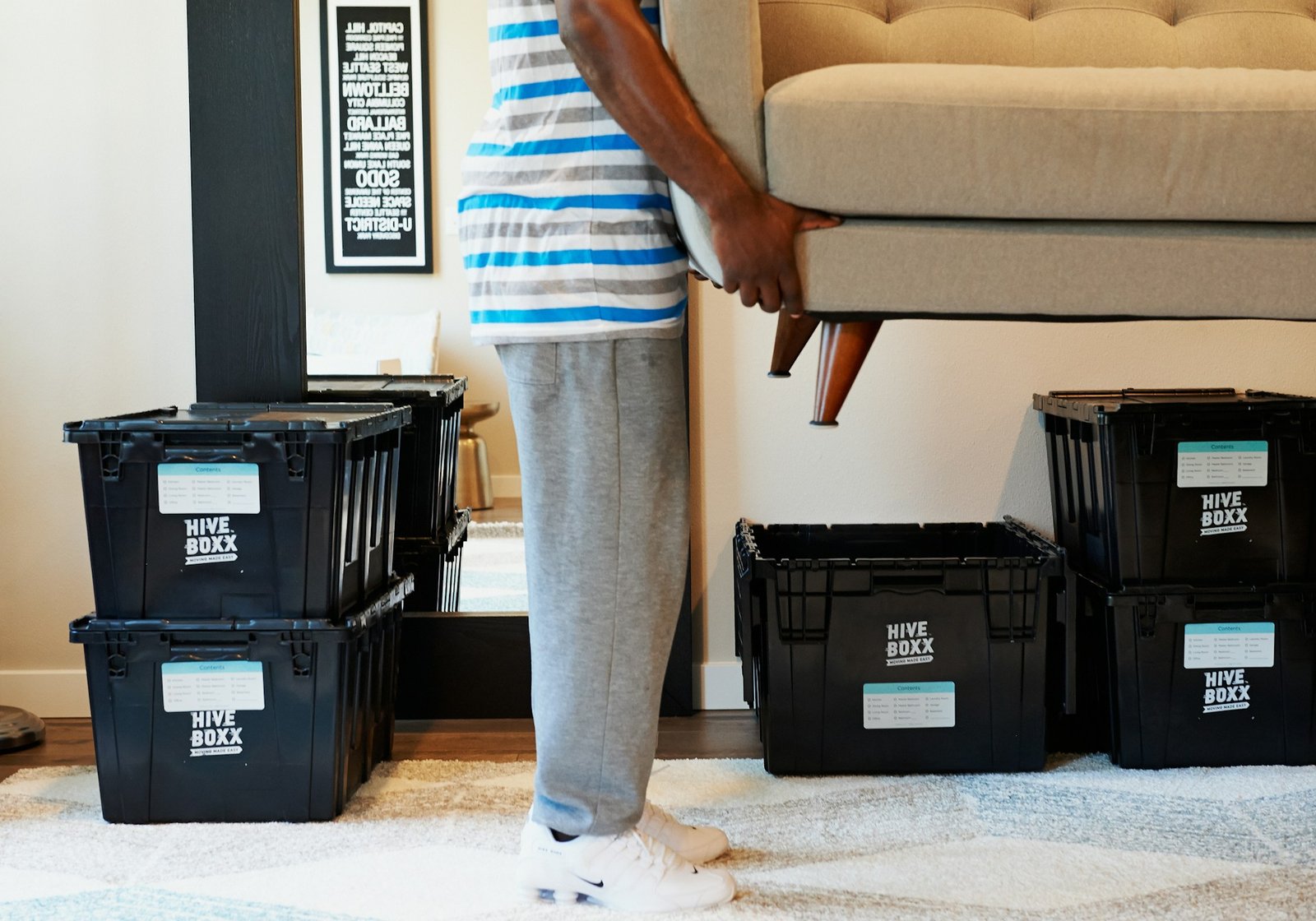
If multiple family members use the storage area, clear labels can also make it easier for everyone to find and return items.
For more ideas on creating a simple labeling system, see our guide to using a Bluetooth label maker for home organization.
3. Keep Labels Short and Easy to Read
A storage bin label does not need to explain everything inside the container. Its main purpose is to help you identify the category quickly.
Keep labels short whenever possible. One or two words are often enough.
For example:
- Winter Clothes
- Summer Shoes
- School Supplies
- Holiday Decor
- Gift Wrap
- Family Photos
Short labels are especially useful when bins are placed on high shelves or in areas where you cannot easily stand close to read them.
4. Put Labels on the Front of the Bin
When you are learning how to label storage bins, one of the simplest improvements is to place the label where you can see it immediately. For shelves and closets, the front of the bin usually makes the contents easier to identify at a glance.
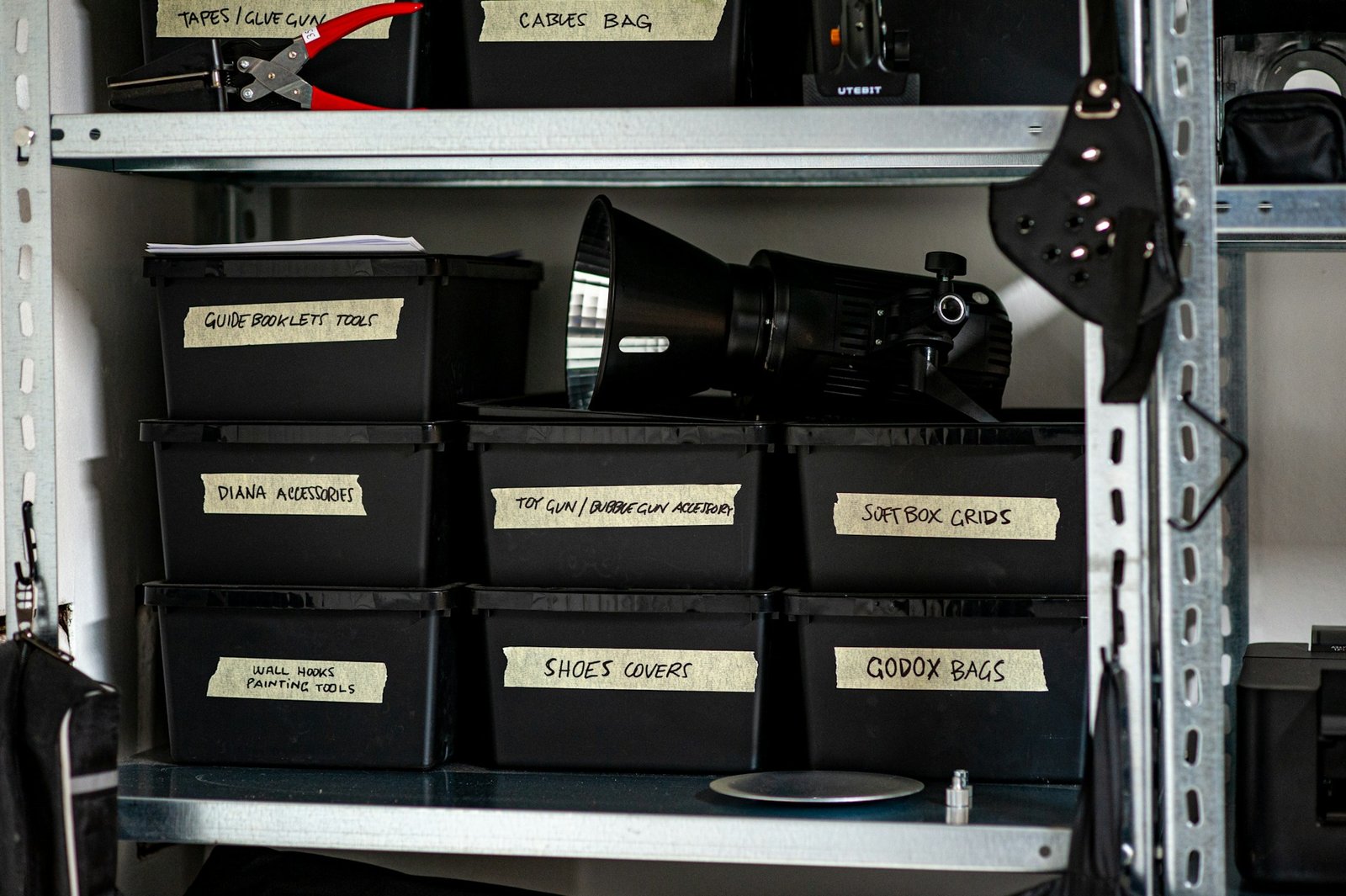
Try to place labels at approximately the same height on similar bins. Consistent placement creates a cleaner appearance and makes your storage system easier to scan.
If you stack bins, consider labeling the side that remains visible when the bins are stored together.
5. Use the Same Label Style Throughout One Area
Consistency can make a storage system much easier to understand. Instead of using handwritten labels on some bins, printed labels on others, and different label sizes throughout the same space, choose one basic style.
You can keep the same font, label size, placement, and wording style throughout a closet or storage area.
This does not mean every storage area in your home has to look identical. You can use a slightly different system in the garage, pantry, closet, or home office while keeping each individual area consistent.
6. Label Seasonal Clothing and Decorations
Seasonal items are some of the easiest things to lose track of because they may remain stored for months at a time. Learning how to label storage bins for seasonal items can make the next change of season much easier.
Use broad labels such as “Winter Clothing,” “Summer Items,” “Holiday Decor,” or “Spring Decor” so you can identify seasonal storage without opening multiple bins.
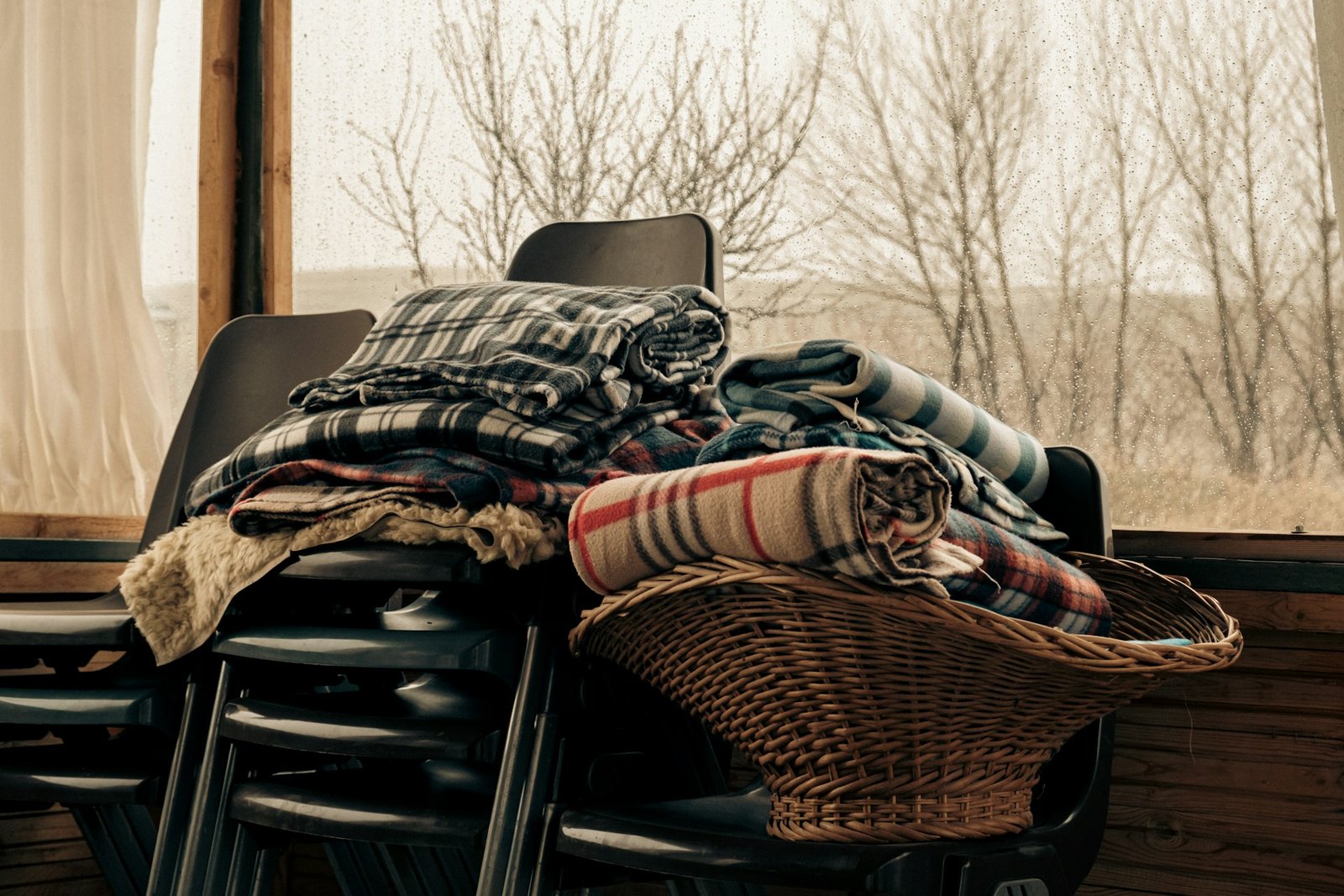
You can also separate frequently used seasonal items from decorations or supplies that only come out once a year. This can make seasonal changes much quicker and less frustrating.
7. Label Kids’ Clothes by Size
Storage bins can be especially helpful for children’s clothing because sizes change quickly. Instead of mixing several sizes together, consider giving each bin a simple size-based label.
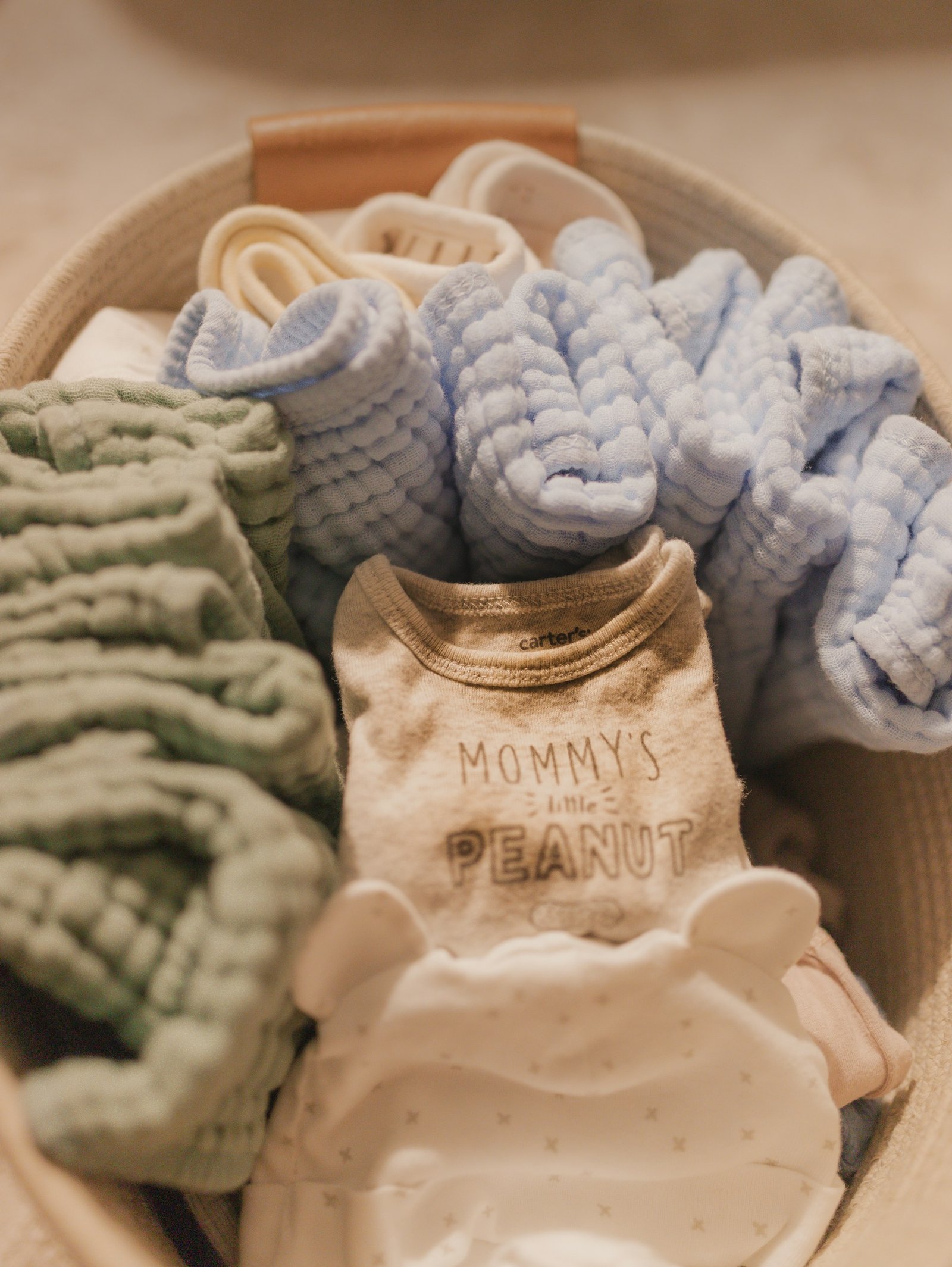
Examples include “Kids 2T,” “Kids 3T,” “Kids 4T,” or “Kids 5T.” You can also create separate categories such as “Keep,” “Donate,” and “Outgrown.”
This system can make it easier to store clothes that will be needed later without searching through every container.
If you are also working on a small closet, see our guide to small closet organization ideas for additional ways to use bins, shelves, labels, and vertical space.
8. Create Labels for Holiday and Gift Supplies
Gift wrap, ribbons, greeting cards, bows, and holiday supplies can quickly become difficult to organize when they are stored together.
Consider separating these items into practical categories such as:
- Gift Wrap
- Gift Bags
- Ribbons & Bows
- Greeting Cards
- Holiday Decor
When the next holiday or birthday arrives, clear labels can help you find what you need without opening several different bins.
Make Your Storage Labels Easier to Read
Create clean, consistent labels for storage bins, shelves, closets, and everyday home organization.
9. Use Labels for Garage and Utility Storage
Garages, utility rooms, and storage areas often contain many different categories of items. Labels can make these spaces easier to navigate, especially when similar-looking bins are stored next to one another.
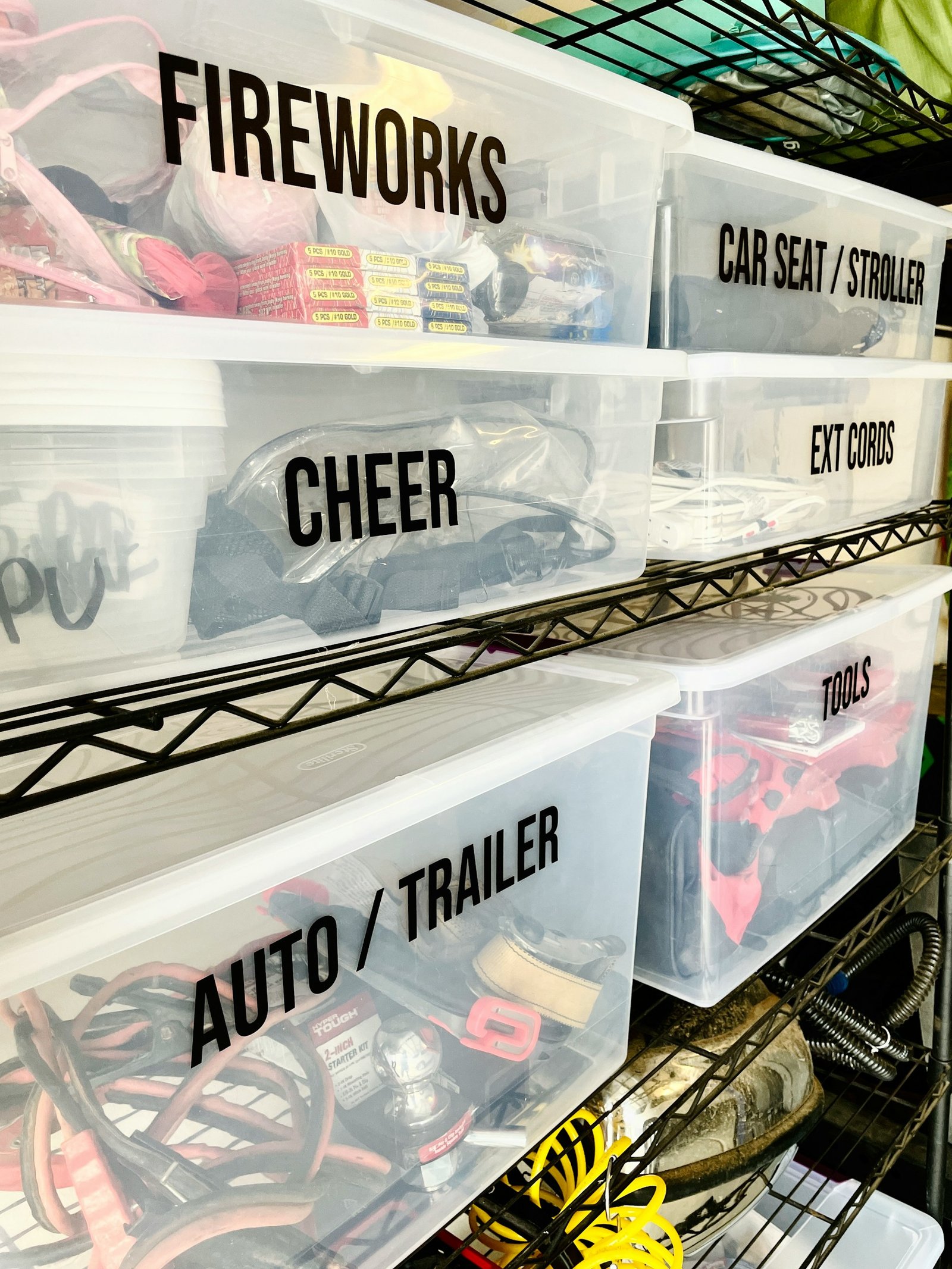
Consider categories such as “Tools,” “Light Bulbs,” “Cables,” “Cleaning Supplies,” “Garden,” or “Car Supplies.”
For items that are used only occasionally, a clear label can save time because you can identify the correct bin without opening several containers.
10. Label Bins for Keepsakes and Important Items
Family keepsakes, photographs, children’s artwork, school memories, and other sentimental items can benefit from simple category labels.
Instead of putting everything into one large “Memories” bin, you could separate items into categories such as “Kids’ Artwork,” “School Memories,” “Family Photos,” or “Baby Keepsakes.”
Clear categories can make it easier to find a specific group of memories later without disturbing everything else.
11. Don’t Put Too Much Information on One Label
It can be tempting to list every item inside a storage bin, but overly detailed labels can become difficult to read and maintain.
Think of the label as a quick visual guide rather than a complete inventory.
For example, instead of:
“Winter scarves, gloves, hats, thermal socks, earmuffs, and other cold-weather accessories”
Use:
Winter Accessories
This keeps the system simple while still giving you enough information to identify the contents.
12. Number Storage Bins When You Have Many
If you have a large collection of storage bins, category labels can be combined with numbers.
For example, a seasonal storage area might use:
- Seasonal 01
- Seasonal 02
- Seasonal 03
- Seasonal 04
This approach can be useful when you keep a simple inventory list on your phone or computer. The number helps you identify the exact container without requiring a long label.
For very large storage collections, you can combine a category and number, such as “Holiday 01” or “Kids Clothes 03.”
13. How to Label Storage Bins with a Bluetooth Label Maker
When you want a more consistent storage system, a Bluetooth label maker can make it easier to create labels in different sizes and styles.
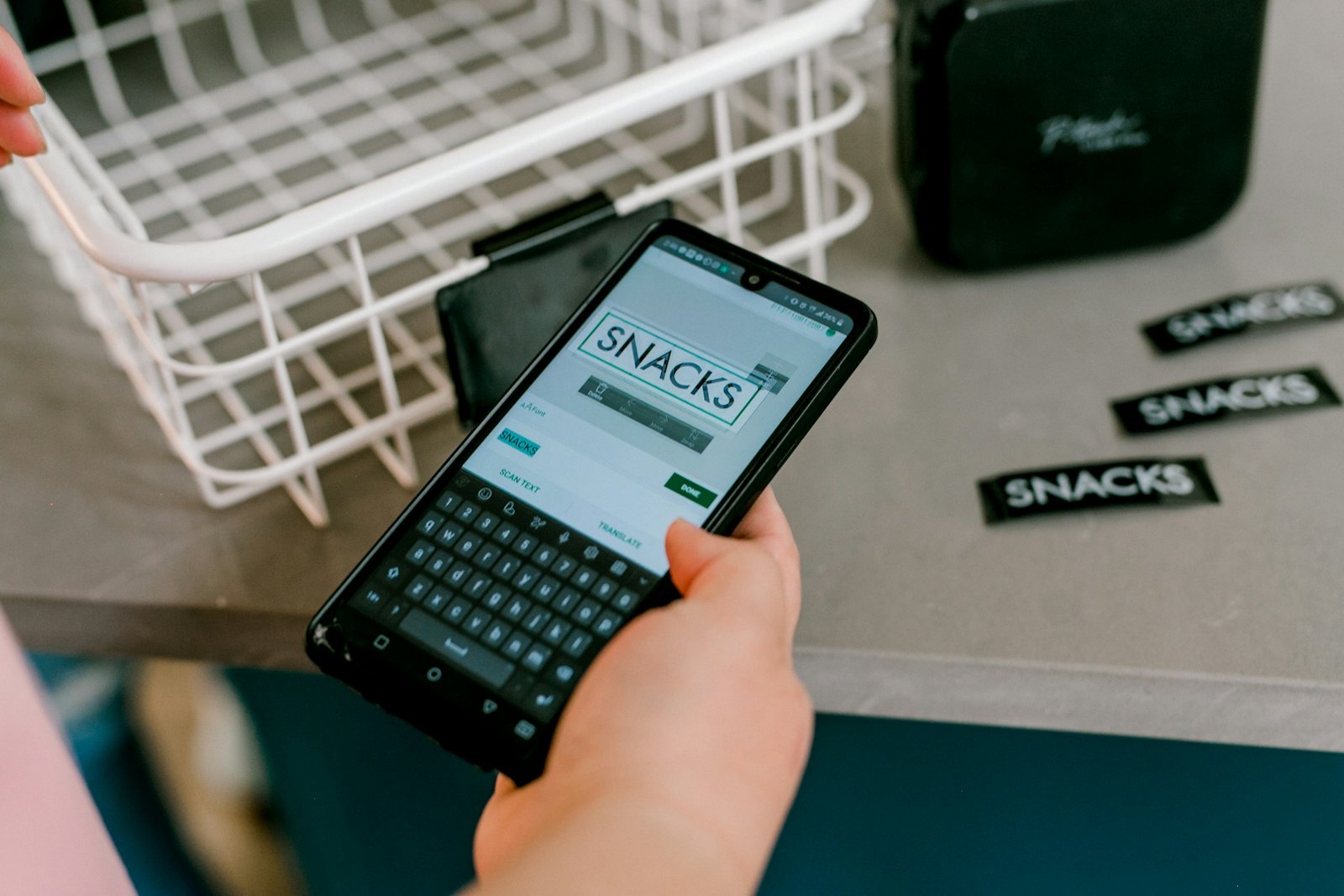
A Bluetooth-connected label maker can be particularly useful when you want to create multiple labels from your phone without relying on handwritten notes.
The Brother P-touch CUBE Plus Bluetooth label maker is the product featured in our home organization guide, and it can be used for storage bins, pantry containers, shelves, drawers, and other household organization projects.
If you are comparing ways to organize a small pantry as well, you can also see our guide to 15 pantry organization ideas for a small kitchen.
14. Make Your Storage System Easy for the Whole Family
A storage system works better when everyone can understand it.
Use familiar words rather than complicated categories. For example, “Toys” is usually easier for children to understand than a detailed classification system.
You can also use consistent label placement so family members know where to look for information on every bin.
The goal is not to create a perfect system. The goal is to create a system that people can actually use.
15. Create a Simple Labeling System You Can Maintain
The most useful labeling system is one that remains practical after the initial organization project is finished.
When adding new items, ask yourself whether they belong in an existing category before creating a new one. If a bin becomes too full, consider splitting the category into two simple groups.
Every few months, take a quick look at your storage areas and remove items that are no longer needed. Update labels when the contents of a bin change significantly.
A simple system that you can maintain is usually more useful than a complicated system that takes too much time to manage.
Final Thoughts
Learning how to label storage bins does not require a complicated organization system. Start with broad categories, keep labels short, place them where they are easy to see, and use consistent formatting throughout each storage area.
Whether you are organizing a small closet, seasonal clothing, children’s items, garage supplies, or family keepsakes, clear labels can make everyday storage easier to understand and maintain.
If you are building a larger home organization system, start with one area at a time. Once your labeling method works well in one space, you can apply the same basic approach throughout the rest of your home.
Ready to Create Cleaner Storage Labels?
A consistent labeling system can make bins, shelves, closets, and family storage easier to manage.
[…] you are organizing storage throughout the rest of your home, our guide to how to label storage bins includes additional ideas for creating simple storage […]
[…] you are also organizing storage bins in other areas of your home, you may find our guide on how to label storage bins […]
[…] more practical ideas, see our guide on how to label storage bins for simple labeling systems that can work throughout the […]
[…] households that use labels throughout the kitchen, our guide to How to Label Storage Bins can help you build a labeling system that extends beyond the […]