

Disclosure: This article contains affiliate links. If you purchase through links in this article, we may earn a commission at no additional cost to you.
Finding effective home office organization ideas can be challenging when you are working with a small room, a compact desk, or a shared space. The goal is not to fit more things into the area. It is to make the space easier to use, easier to maintain, and less distracting.
With a few simple changes, you can organize paperwork, office supplies, cables, books, and everyday items without needing a large dedicated office.
In this guide, you’ll find 15 practical home office organization ideas for small spaces that can help create a cleaner and more functional workspace.
In this guide:
- Home Office Organization Ideas: Start With the Desk
- Keep Daily-Use Items Close
- Make Better Use of Desk Drawers
- Use Vertical Space
- Use the Wall Above Your Desk
- Organize Cables and Chargers
- Create a Simple Paperwork System
- Group Similar Office Supplies
- Use Small Containers for Small Items
- Organize Books and Reference Materials
- Create Zones in a Shared Workspace
- Remove Items You Rarely Use
- Use Labels for Home Office Storage
- Use Hidden Storage for Visual Clutter
- Create a System You Can Maintain
1. Home Office Organization Ideas: Start With the Desk
When organizing a small home office, start with the area you use most often: your desk.

Remove everything that does not need to stay on the desk every day. Then keep only the items you regularly use, such as your computer, notebook, pen, or frequently used accessories.
A clear work surface can make a small workspace feel more open and can also make it easier to focus on the task in front of you.
You do not need to completely empty the desk. The goal is simply to make sure every item that remains has a useful purpose.
2. Keep Daily-Use Items Close
One of the easiest ways to make a small office more functional is to keep frequently used items within easy reach.
Items such as pens, charging cables, notebooks, headphones, and sticky notes can be stored in a small organizer beside or underneath the desk.
Less frequently used supplies can be moved to drawers, shelves, or nearby storage bins.
This creates a simple distinction between everyday items and backup supplies, which can reduce unnecessary clutter around your main workspace.
3. Make Better Use of Desk Drawers
Desk drawers can quickly become catch-all spaces for cables, stationery, receipts, and miscellaneous items.
Instead of putting everything into one drawer, divide it into simple categories.
- Pens and pencils
- Notebooks
- Charging accessories
- Office supplies
- Important small items
You can use small trays or inexpensive drawer dividers to create separate sections.
The key is to keep the categories simple enough that you can return items to the correct place without thinking about it.
4. Use Vertical Space
Small home offices often have more unused wall and vertical space than floor space.
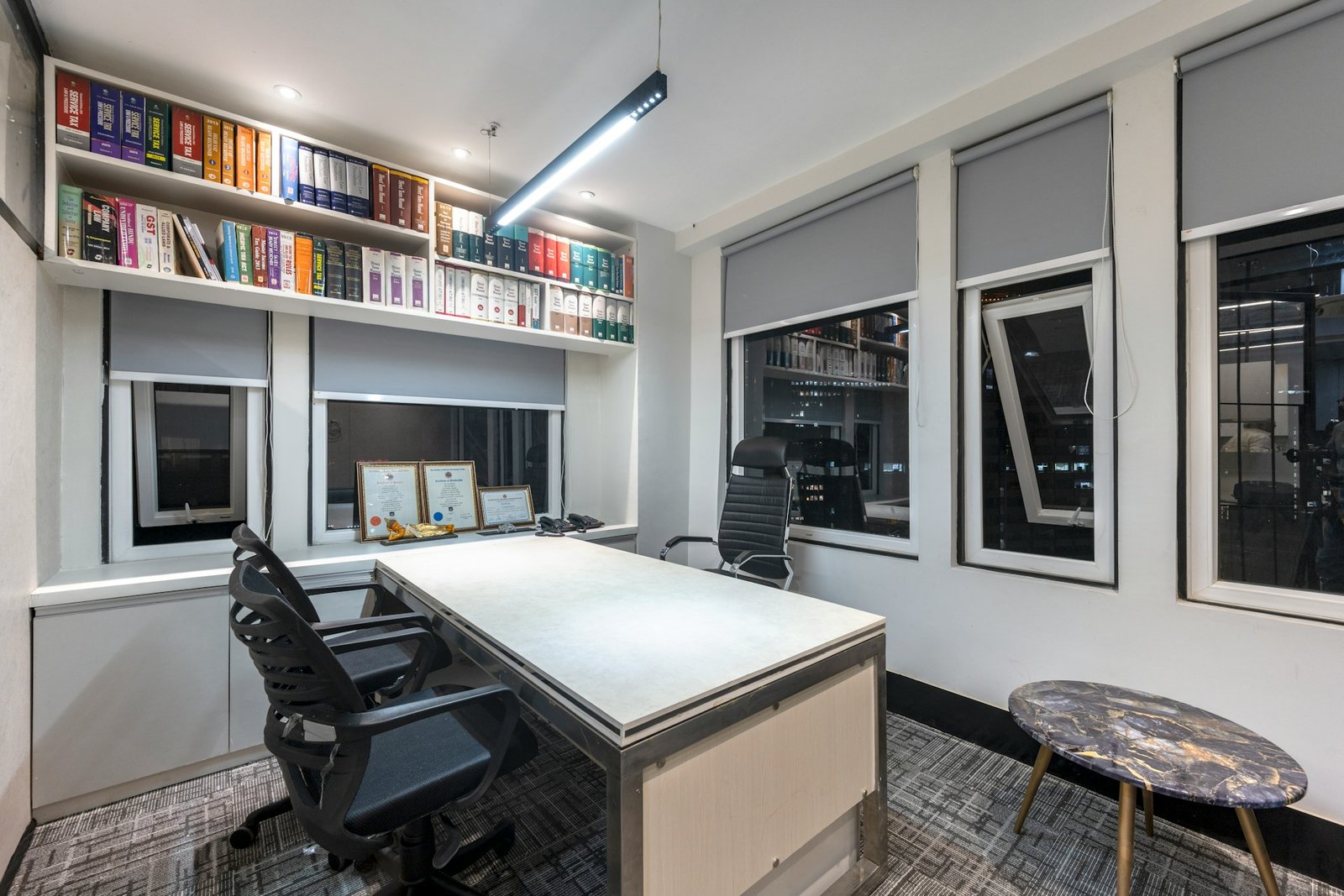
Use shelves, bookcases, vertical organizers, or wall-mounted storage to move items away from the desk surface.
Books, reference materials, small storage boxes, and office supplies can often be stored vertically without taking up valuable workspace.
If you use multiple shelves, place everyday items within easy reach and less frequently used items on higher shelves.
5. Use the Wall Above Your Desk
The wall above a desk can become useful storage without making the workspace feel crowded.
Depending on your space, you can use a small shelf, pegboard, wall organizer, or simple document holder.
Keep the most visible area relatively simple. Too many items on the wall can create visual clutter even when everything is technically organized.
A few carefully selected storage areas are usually more practical than filling the entire wall.
6. Organize Cables and Chargers
Cables are one of the easiest sources of visual clutter in a home office.

Start by separating the cables you use regularly from extras and outdated cables. Then group similar cables together.
For example, you might create separate categories for:
- Phone chargers
- Computer accessories
- USB cables
- Power adapters
- Audio accessories
Small cable ties, clips, or storage pouches can help prevent cords from becoming tangled.
If you have many similar cables, simple labels can also help you identify the correct cable without testing each one.
7. Create a Simple Paperwork System
Paper can quickly take over a small workspace if there is no clear place to put it.

Instead of keeping every document in a single pile, create a few broad categories.
- To Review
- Important Documents
- Bills and Receipts
- Work or School
- To File
Use folders, magazine holders, or vertical file organizers to keep paperwork upright and easy to access.
Try not to create too many categories. A simple system is easier to maintain than a complicated filing structure.
8. Group Similar Office Supplies
Small office supplies are easier to manage when similar items are stored together.
Instead of keeping pens in several different places, choose one primary location for them. Do the same for notebooks, sticky notes, envelopes, and other frequently used supplies.
For backup supplies, consider using a separate drawer or storage container so they do not take up space on your everyday workspace.
Make Small-Office Storage Easier to Identify
Create clean, consistent labels for drawers, storage bins, shelves, cables, and office supplies.
9. Use Small Containers for Small Items
Small items such as paper clips, USB drives, batteries, memory cards, and adapters can easily disappear into larger drawers.
Use small containers or divided organizers to keep these items separated.
You can create categories based on how you actually use the items rather than trying to organize everything into very specific groups.
For example, a small container labeled “Computer Accessories” may be more useful than several tiny categories for individual accessories.
10. Organize Books and Reference Materials
Books and reference materials can take up significant space in a small office, especially when they are spread across the desk and floor.
Keep the books you use regularly within easy reach and move less frequently used materials to a nearby shelf or storage area.
If you have a large collection, consider organizing books by purpose rather than simply by size.
Categories such as “Work,” “Reference,” “Finance,” or “Projects” can make it easier to find what you need.
11. Create Zones in a Shared Workspace
A home office does not always belong to one person. A desk may be shared by family members, used for work during the day, and used for homework or personal tasks later.
In a shared workspace, create simple zones for different activities.
For example, one drawer could be dedicated to work supplies while another holds school or personal items.
Clearly separated areas can help prevent items from becoming mixed together when several people use the same space.
If you are organizing storage throughout the rest of your home, our guide to how to label storage bins includes additional ideas for creating simple storage categories.
12. Remove Items You Rarely Use
Organization becomes much easier when there are fewer unnecessary items to organize.
Take a few minutes to look through your desk drawers, shelves, and storage containers. Remove duplicate supplies, broken items, outdated paperwork, and things you no longer need.
You do not have to declutter the entire office in one session.
Even removing a small number of unnecessary items can create more room for the things you actually use.
13. Use Labels for Home Office Storage
One of the most useful home office organization ideas for small spaces is to give storage areas simple, recognizable labels.
Labels can be particularly useful when you have several similar storage bins, drawers, or containers.
Instead of opening each container, you can quickly identify categories such as:
- Office Supplies
- Computer Accessories
- Important Documents
- Receipts
- Extra Cables
- Stationery
A Bluetooth label maker can make this process easier when you want consistent labels throughout your home office.
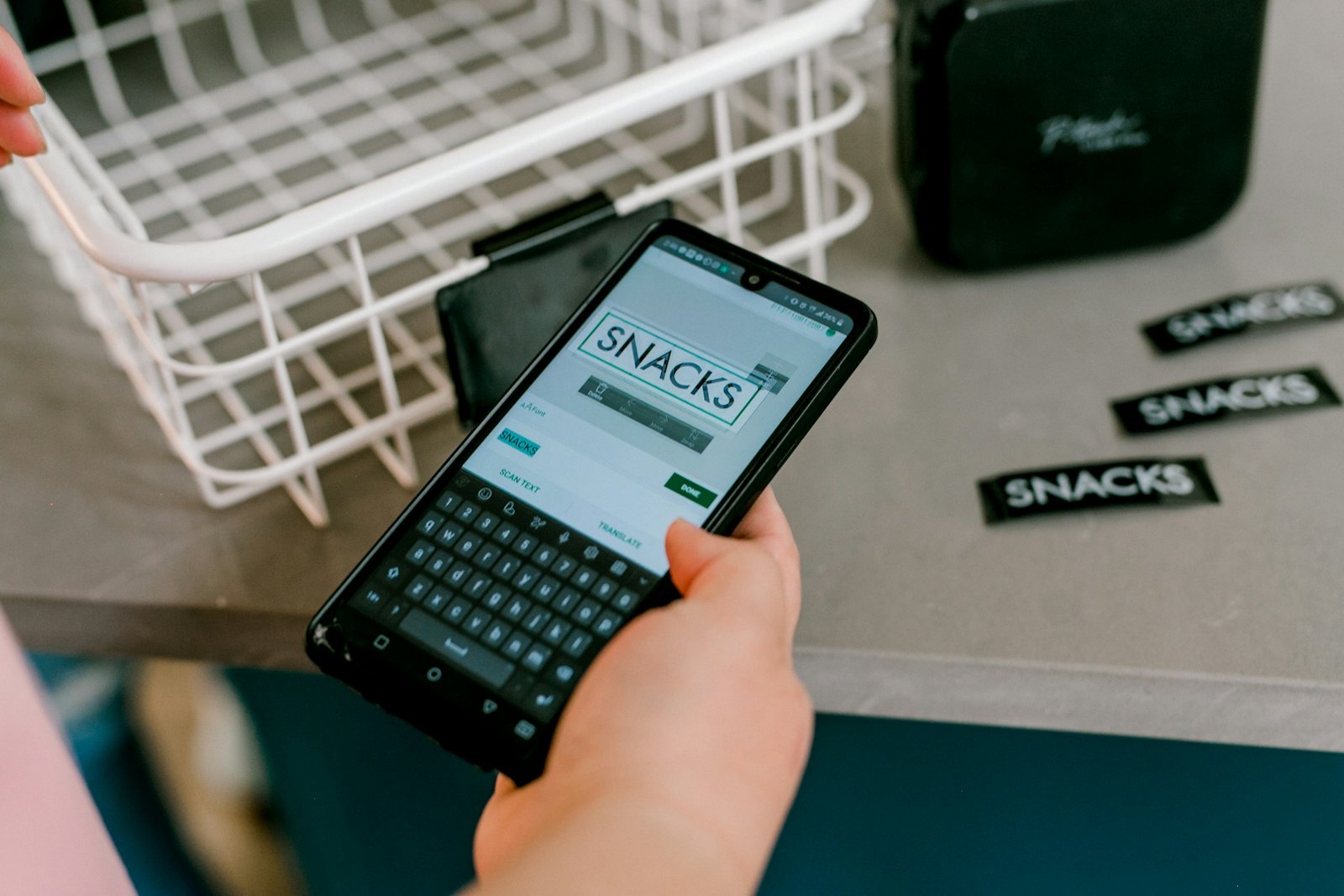
Our guide to using a Bluetooth label maker for home organization explains how the same labeling approach can also be used in closets, pantries, storage bins, and other areas of the home.
14. Use Hidden Storage for Visual Clutter
Not everything needs to be displayed on open shelves.
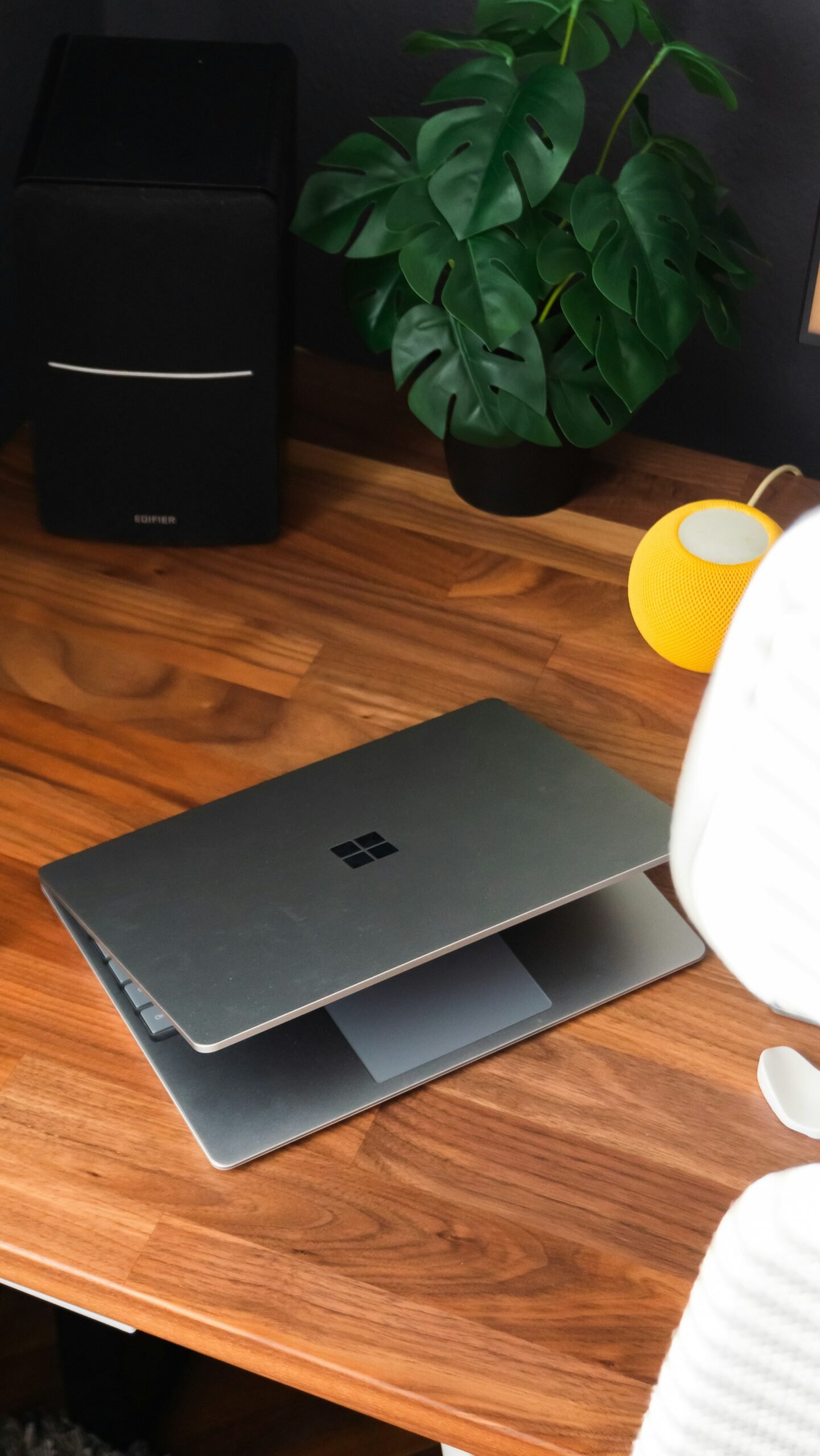
Drawers, cabinets, boxes, and storage bins can help keep less attractive or rarely used items out of sight while keeping them accessible.
This can be especially useful in a small home office that is located in a bedroom, living room, or another shared area.
Try to keep the items you see every day simple and organized while using hidden storage for backup supplies and occasional-use items.
If you are also organizing a small closet or shared storage area, see our guide to small closet organization ideas for more ways to make better use of limited space.
15. Create a System You Can Maintain
The most successful home office organization system is usually the one that takes the least effort to maintain.
Choose a specific place for important categories and return items to those locations after using them.
At the end of each workday, spend a few minutes clearing the desk and returning loose items to their storage areas.
Every few months, review the system and adjust categories that are no longer working.
Organization does not have to be perfect. A simple system that you can consistently follow is more useful than a complicated system that requires constant effort.
Final Thoughts
The best home office organization ideas for small spaces focus on making the workspace easier to use rather than simply making it look neat.
Start with the desk, move less frequently used items into drawers or vertical storage, organize cables and paperwork, and use simple labels when you have multiple storage areas.
If your home office shares space with another room, focus on creating clear zones and using hidden storage to reduce visual clutter.
Most importantly, build a system that fits the way you actually work. Once the system becomes part of your routine, keeping a small home office organized becomes much easier.
Ready to Make Your Home Office Easier to Organize?
Simple labels can help keep drawers, bins, shelves, cables, and office supplies easy to identify.