

Are you shopping for Korean gim or Japanese nori and wondering which one you need? Although both are edible seaweed commonly sold in thin sheets, they can differ in seasoning, flavor, texture, and intended use.
Gim vs Nori. The biggest difference is how the seaweed is prepared and used. Korean gim is often roasted and seasoned with oil and salt for eating with rice, while Japanese nori is widely used in sushi rolls. However, both countries produce plain roasted seaweed, and the two can sometimes be used interchangeably.
In this guide, you’ll learn how to choose between Korean gim and Japanese nori for kimbap, sushi, rice bowls, and everyday snacks. We’ll also compare three products to help you find the right option for your kitchen.
Building your Korean pantry? Start with our guide to Korean Pantry Essentials for more ingredients to keep on hand.
1. Gim vs Nori: What Is the Difference Between Korean Gim and Japanese Nori?
Gim (김) is the Korean name for edible seaweed commonly used in Korean meals. Nori (海苔) is the Japanese name for edible seaweed widely used in Japanese cooking. Both are generally made from edible red algae that are processed into thin sheets.
The names reflect different food traditions, but they don’t always indicate completely different ingredients. The most useful distinctions when shopping are whether the seaweed is seasoned, how large the sheets are, and whether they’re intended for wrapping food or eating as a snack.
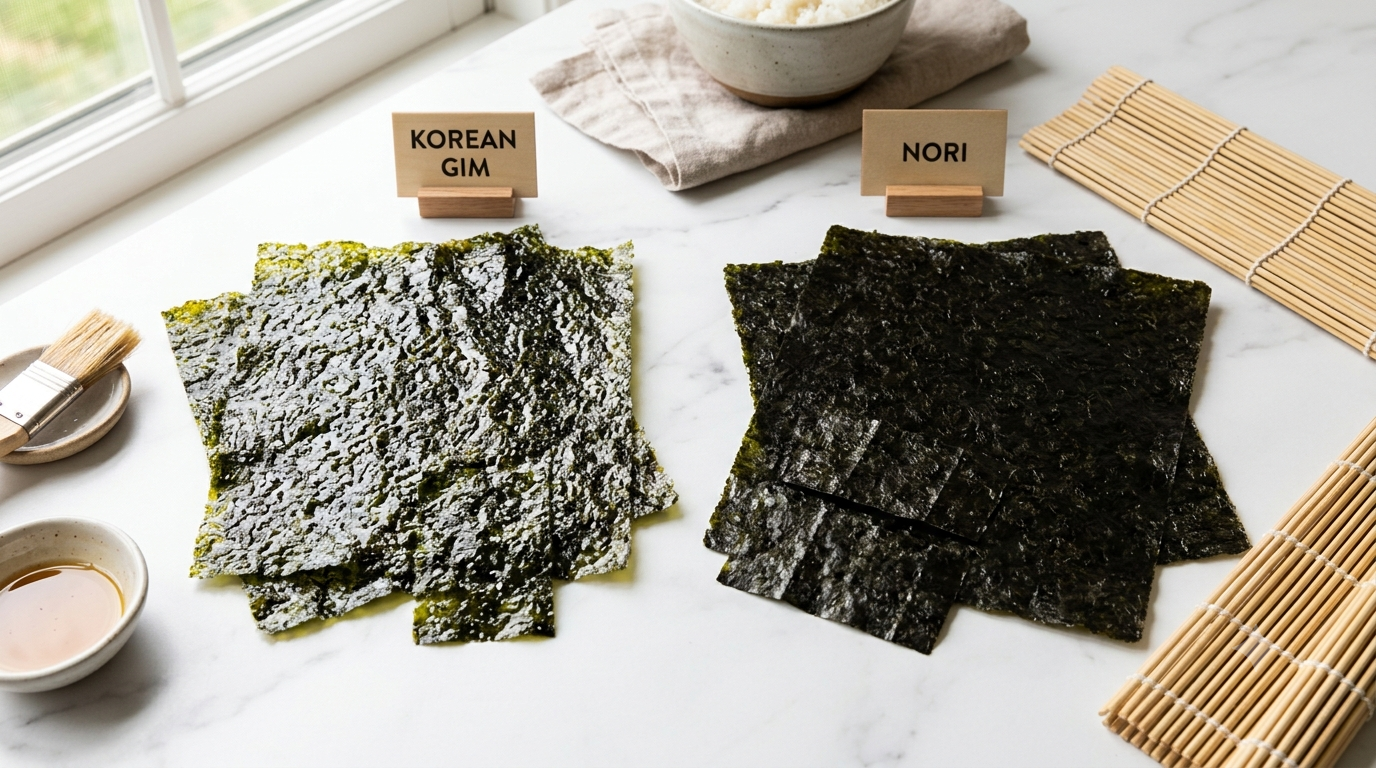
Korean Gim: Often Savory and Ready to Eat
Many familiar Korean seaweed products are roasted and lightly seasoned with sesame oil or another oil and salt. These thin, crisp sheets are often served alongside rice or eaten straight from the package.
Korean gim also comes in plain, full-size sheets specifically intended for making gimbap. These are different from small, oil-seasoned snack sheets, so check the packaging before buying.
Japanese Nori: Commonly Used for Sushi
Japanese nori is widely associated with sushi rolls, hand rolls, and rice balls. Plain roasted nori is a popular choice because it adds a seaweed flavor without introducing much additional oil or salt.
Not every Japanese nori product is identical. Sheet thickness, crispness, flavor, and quality vary by product, so the intended use on the package is a helpful shopping guide.
2. Taste, Texture, and Seasoning: How Do They Compare?
The difference between Korean gim and Japanese nori is often most noticeable when you compare a seasoned Korean snack sheet with plain sushi nori.
| Feature | Korean Gim | Japanese Nori |
|---|---|---|
| Flavor | Often savory, nutty, and salty when seasoned | Typically seaweed-forward and umami-rich when plain |
| Seasoning | Some varieties contain oil and salt; others are plain | Sushi sheets are commonly sold plain and roasted |
| Texture | Often delicate and crisp, especially in snack form | Can be thin and crisp or selected for wrapping sushi |
| Common uses | Rice, side dishes, snacks, and gimbap sheets | Sushi rolls, hand rolls, and onigiri |
Important: These are common product styles, not strict rules. Plain Korean gim can be similar to Japanese nori, and the texture of either product depends on the variety and manufacturing process.
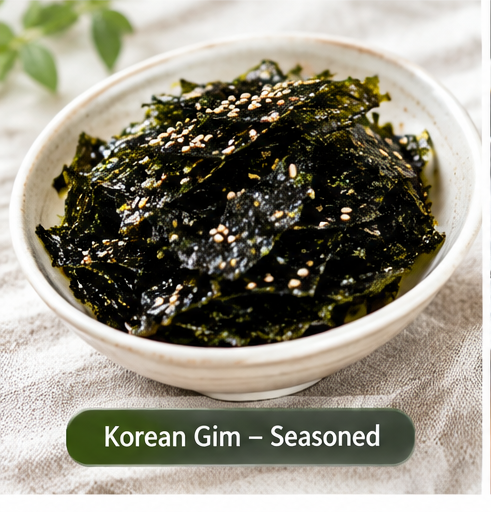
3. Which Seaweed Should You Use for Kimbap, Sushi, and Snacks?
The easiest way to choose is to start with the dish you want to make. Sheet size, seasoning, and strength matter more than whether the package says Korean or Japanese.
Choose Korean Gim for Gimbap and Rice
Gimbap (also spelled kimbap) is a Korean rice roll filled with ingredients such as vegetables, egg, pickled radish, and cooked protein. For homemade gimbap, look for plain, full-size sheets labeled for gimbap or kimbap.
Seasoned snack gim is delicious with a bowl of rice, but its small size and delicate texture usually make it less suitable for rolling a full gimbap.
Korean gim is also convenient for:
- Serving alongside steamed rice and Korean side dishes
- Crumbling over rice bowls, soups, or noodles
- Eating as a crisp, savory snack
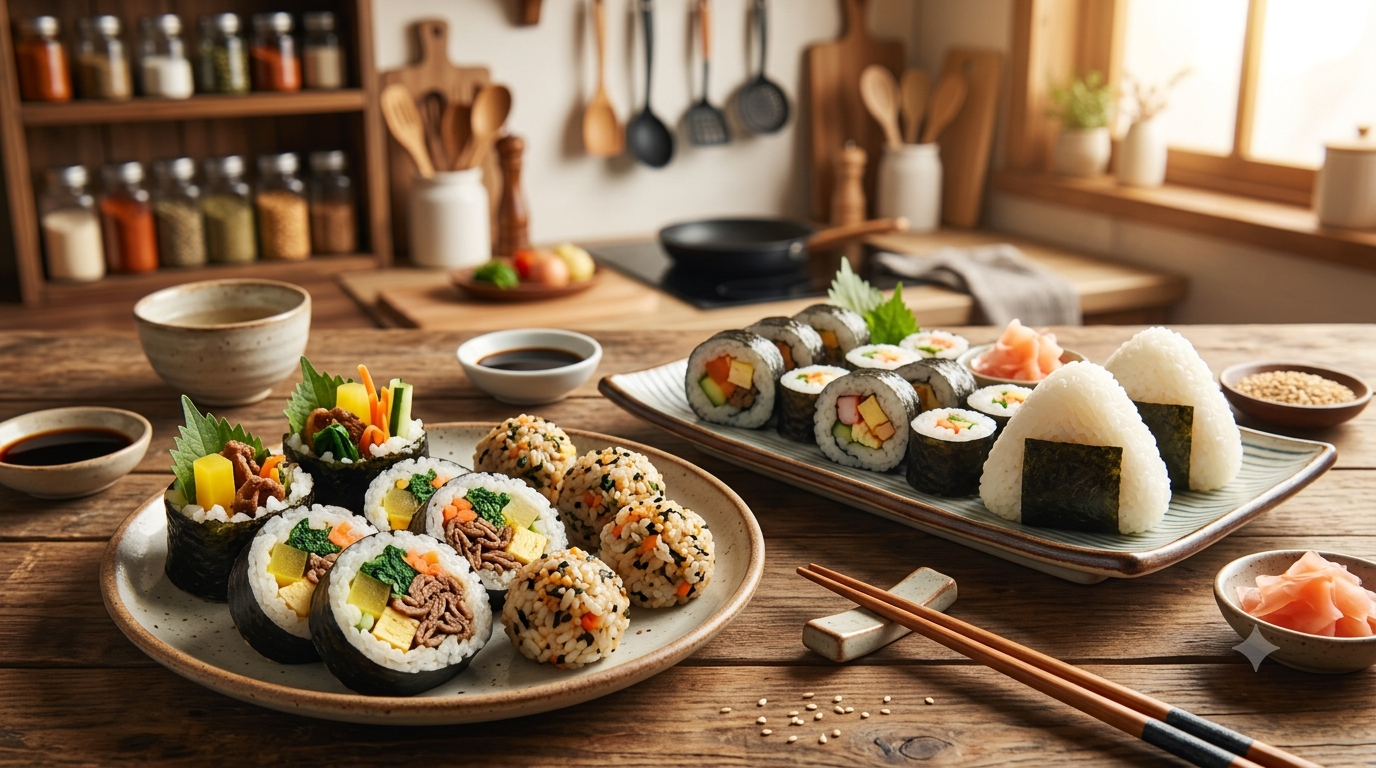
Best for Korean Gimbap: Dae Chun Gim
Dae Chun Gim is a Korean seaweed option listed as 50 full sheets. It may suit shoppers preparing gimbap and other Korean dishes. Check the current Amazon listing to confirm the exact product format and whether the version you purchase is seasoned or plain.
Choose Japanese Nori for Sushi Rolls
For homemade maki sushi, temaki hand rolls, or Japanese rice balls called onigiri, plain roasted sushi nori is a practical choice. Full-size sheets are designed for wrapping rice and fillings.
Keep in mind that warm rice and moisture can soften seaweed. For easier rolling, prepare your fillings before assembling the sushi and serve it soon after rolling.
Best for Homemade Sushi: ONE ORGANIC Sushi Nori
ONE ORGANIC Sushi Nori is listed as premium organic roasted seaweed in a 50-full-sheet package. It’s an option to consider when you want sheets for sushi rolls. Review the current listing for ingredients, certification information, and package details.
Choose Seaweed Snacks for Convenient Snacking
If you want seaweed to eat straight from the package rather than use for rolling, a ready-to-eat snack may be more convenient. Snack packs are usually portioned for individual servings and may contain oil, salt, or other seasonings.
Best for Everyday Snacking: Gimme Seaweed
Gimme Seaweed Organic Roasted Seaweed Snack is listed as a sea-salt snack in a 20-count package. This is a ready-to-eat snack option, not a direct substitute for full-size sushi or gimbap sheets.
4. Can You Substitute Korean Gim for Japanese Nori?
Yes, in many recipes, provided you choose the right type of sheet. Plain roasted Korean gim and Japanese sushi nori can often serve similar purposes. Seasoned Korean snack seaweed is less suitable when a recipe requires a large, sturdy, unseasoned sheet.
- Making sushi with Korean seaweed: Try plain, full-size sheets that are sturdy enough to wrap rice and fillings. Oil-seasoned snack gim may change the flavor and can make rolling more difficult.
- Making gimbap with Japanese nori: Plain sushi nori can work as a substitute. Choose full sheets and handle them carefully when adding rice and fillings.
- Adding seaweed to rice: Either type can work. Seasoned gim adds salt and oil, while plain nori gives you more control over the seasoning.
- Making a quick snack: Seasoned Korean gim is convenient, while Japanese-style roasted snack nori can also work if you prefer its flavor.
If you are unsure, read the package for terms such as “sushi nori,” “gimbap gim,” “roasted seaweed,” or “seasoned seaweed snack.” These descriptions are more useful than relying on the country of origin alone.
5. Is Korean Gim Healthier Than Japanese Nori?
Neither is automatically healthier. Both are seaweed products, and their nutritional profiles depend on the seaweed itself, serving size, processing, and added ingredients.
Plain roasted seaweed generally gives you more control over added salt and oil. Seasoned gim can contain added sodium and oil, so check the nutrition label if you are monitoring either.
For a fair comparison, compare serving sizes and the nutrition facts on the actual packages. A snack pack and a full sheet of sushi nori may represent very different serving amounts.
6. Korean Gim vs. Japanese Nori: Which Should You Buy?
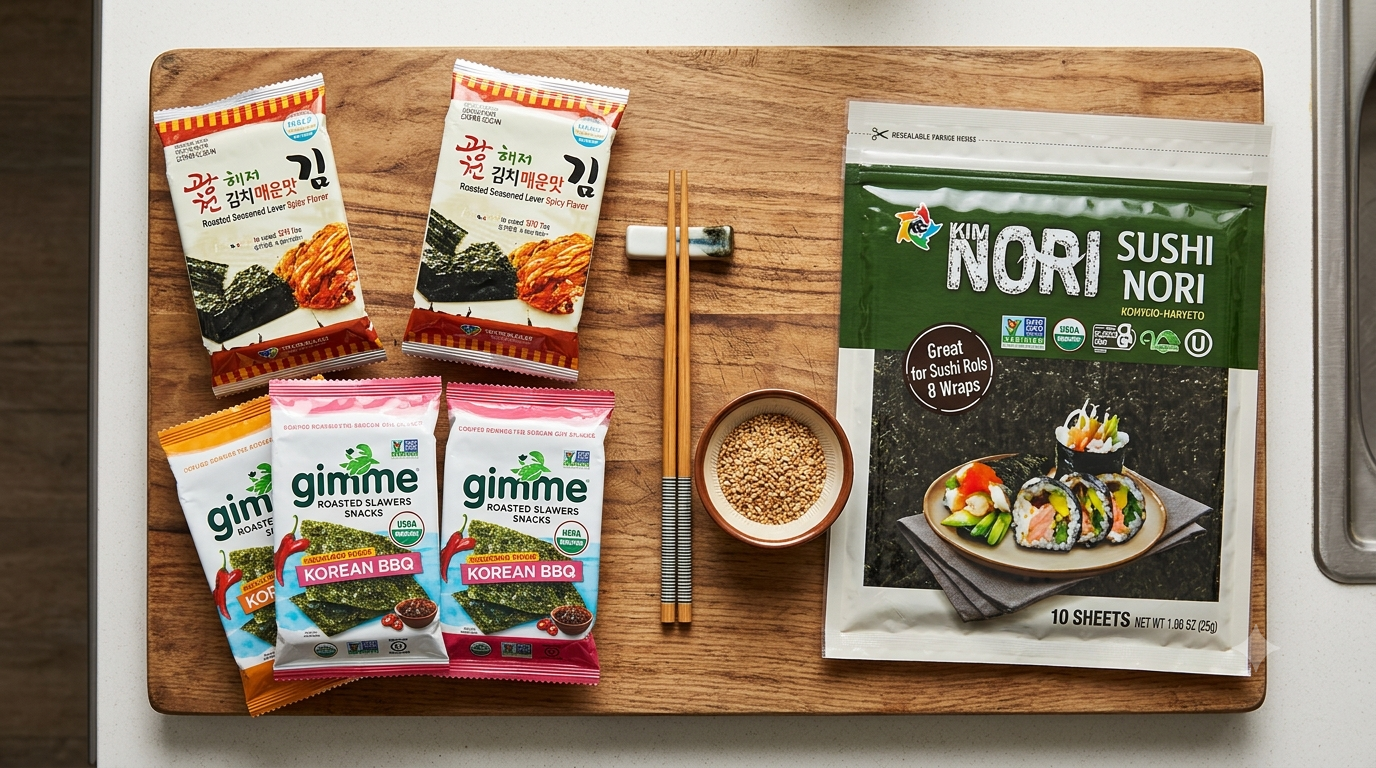
Use this quick guide to choose the right seaweed for your kitchen.
- For Korean gimbap: Choose plain, full-size gim labeled for gimbap.
- For Japanese sushi: Choose plain roasted nori labeled for sushi.
- For rice and Korean side dishes: Choose seasoned gim if you enjoy its savory flavor.
- For quick snacks: Choose a ready-to-eat seaweed snack in a convenient package.
- For less added oil or salt: Compare the ingredients and nutrition labels, and consider plain varieties.
The bottom line: Korean gim and Japanese nori overlap more than their names might suggest. For the best results, choose based on the recipe, sheet size, and seasoning rather than assuming one is always better than the other.
Frequently Asked Questions
Are gim and nori the same thing?
They are closely related terms for edible seaweed used in Korean and Japanese cuisine. The products can differ in preparation, seasoning, sheet format, and intended use.
Does Korean gim always contain sesame oil and salt?
No. Many Korean snack-style gim products are seasoned with oil and salt, but plain roasted sheets are also available. Check the ingredient list to confirm.
Can I use sushi nori to make Korean gimbap?
Yes. Plain, full-size sushi nori can work for gimbap. The flavor and texture may differ from the gim you usually buy for Korean rice rolls.
Can I use seasoned Korean gim to make sushi?
You can experiment, but small, oil-seasoned snack sheets are usually not ideal for rolling sushi. Plain, full-size sheets are easier to work with and are less likely to alter the intended flavor.
How should I store opened seaweed?
Keep seaweed sealed in an airtight package in a cool, dry place, following the product’s storage instructions. Moisture can make crisp seaweed soft and less enjoyable.
Explore More K-Food Essentials
Want to make more Korean food at home? Explore these related guides: