

Affiliate Disclosure: As an Amazon Associate, I earn from qualifying purchases. This post contains affiliate links, meaning I may receive a small commission at no extra cost to you if you make a purchase through these links.
For over a thousand years, traditional Asian food preservation relied on a natural breathing vessel called the korean onggi jar.
Unlike modern airtight plastic containers or glass jars, this handmade clay pot allows food to ferment naturally without spoiling or producing off-flavors.
In this article, we reveal the science behind this ancient earthenware and why introducing a korean onggi jar to your home kitchen will revolutionize your fermented recipes.
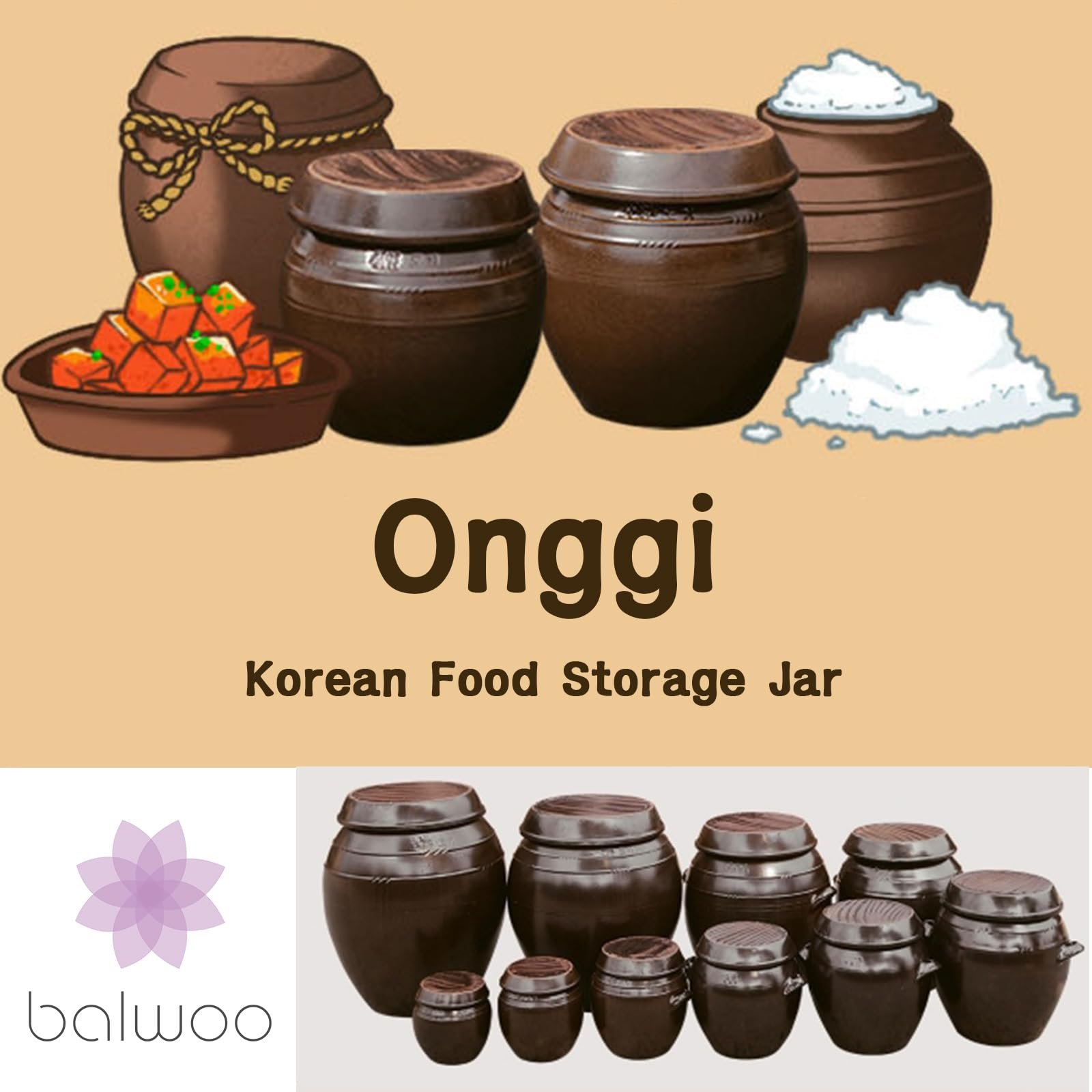
1. The Breathing Porosity of the Korean Onggi Jar
What sets the korean onggi jar apart from standard cookware is its microscopic pore structure.
Formed by natural clay minerals and specialized glaze firing, these micro-pores are large enough to let fresh oxygen pass through, yet small enough to keep liquid water droplets from leaking out.
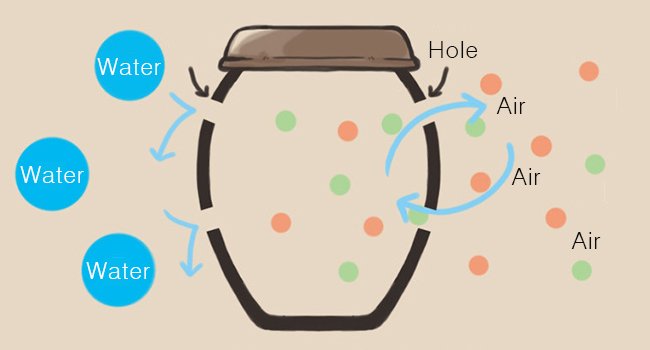
This active air circulation creates the ideal environment for beneficial probiotic bacteria like Lactobacillus to thrive while repelling harmful mold and putrefactive bacteria.
2. Natural Temperature Control and Heat Insulation
Fermentation requires constant, gentle temperatures. Sudden heat spikes can easily ruin delicate batches of kimchi or fermented sauces.
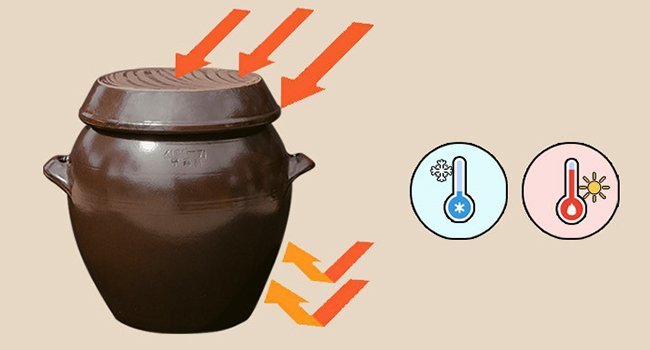
The thick earthenware walls of a korean onggi jar act as a natural thermal insulator. It buffers external temperature changes, keeping your food cool during warm weather and insulated during chilly seasons.
This temperature stability ensures a smooth, deep flavor development over weeks or months of aging.
3. Versatile Uses for Food Storage and Aging
You do not need to limit your earthenware jar to traditional Korean recipes alone. Its food preservation capabilities extend across various ingredients.
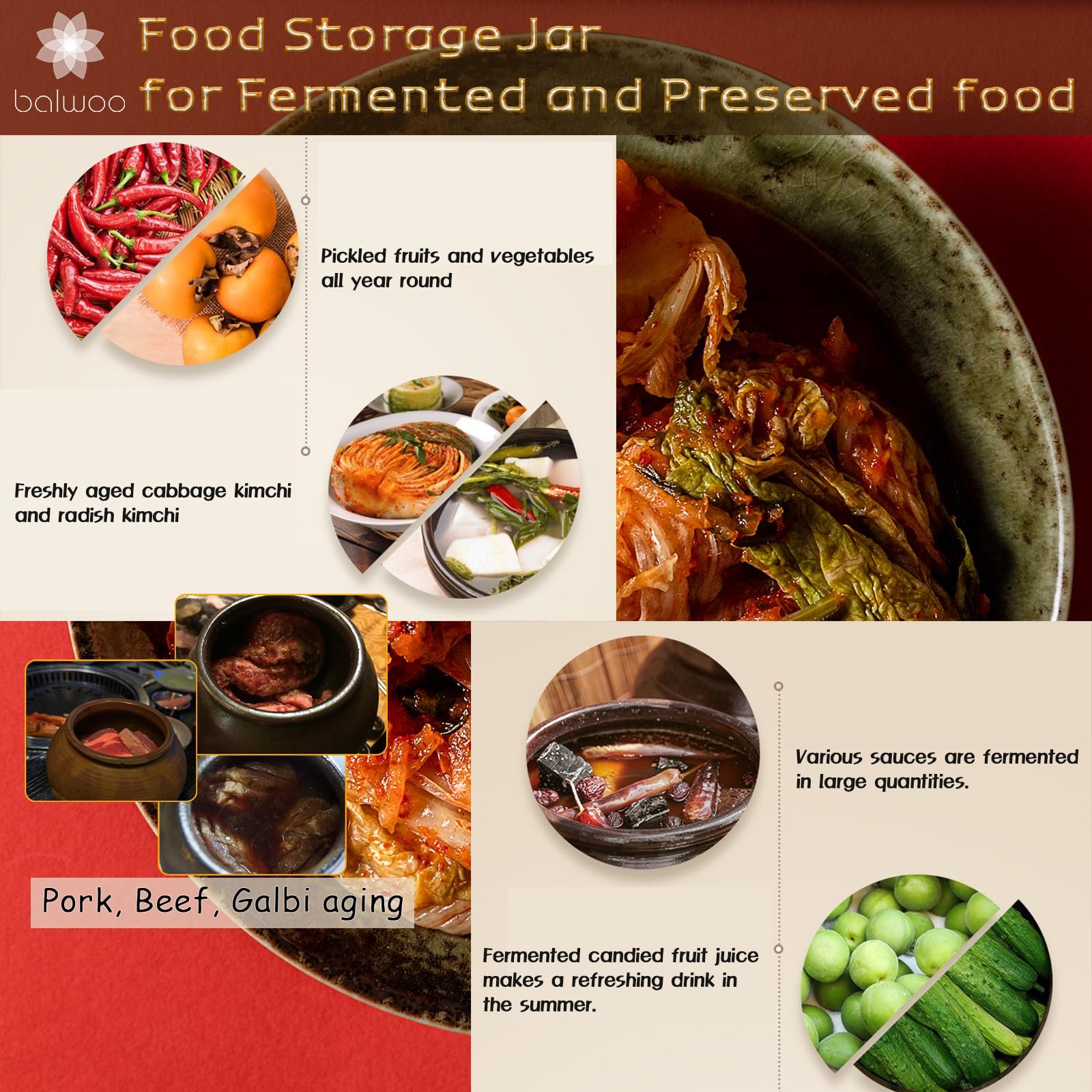
Here are several popular ways home chefs utilize a korean onggi jar today:
- Kimchi & Sauces: Perfect for fermenting cabbage kimchi, radish kimchi, and soy pastes.
- Pickled Vegetables: Ideal for aging crisp cucumbers, plums, and seasonal vegetables in brine.
- Meat Aging: Excellent for dry-aging beef, pork, and marinated galbi rib cuts.
- Natural Syrups: Great for fermenting sugar-candied fruit juices and summer drinks.
4. Choosing the Right Capacity and Size
Selecting the appropriate vessel size depends on your kitchen space and batch volume needs.
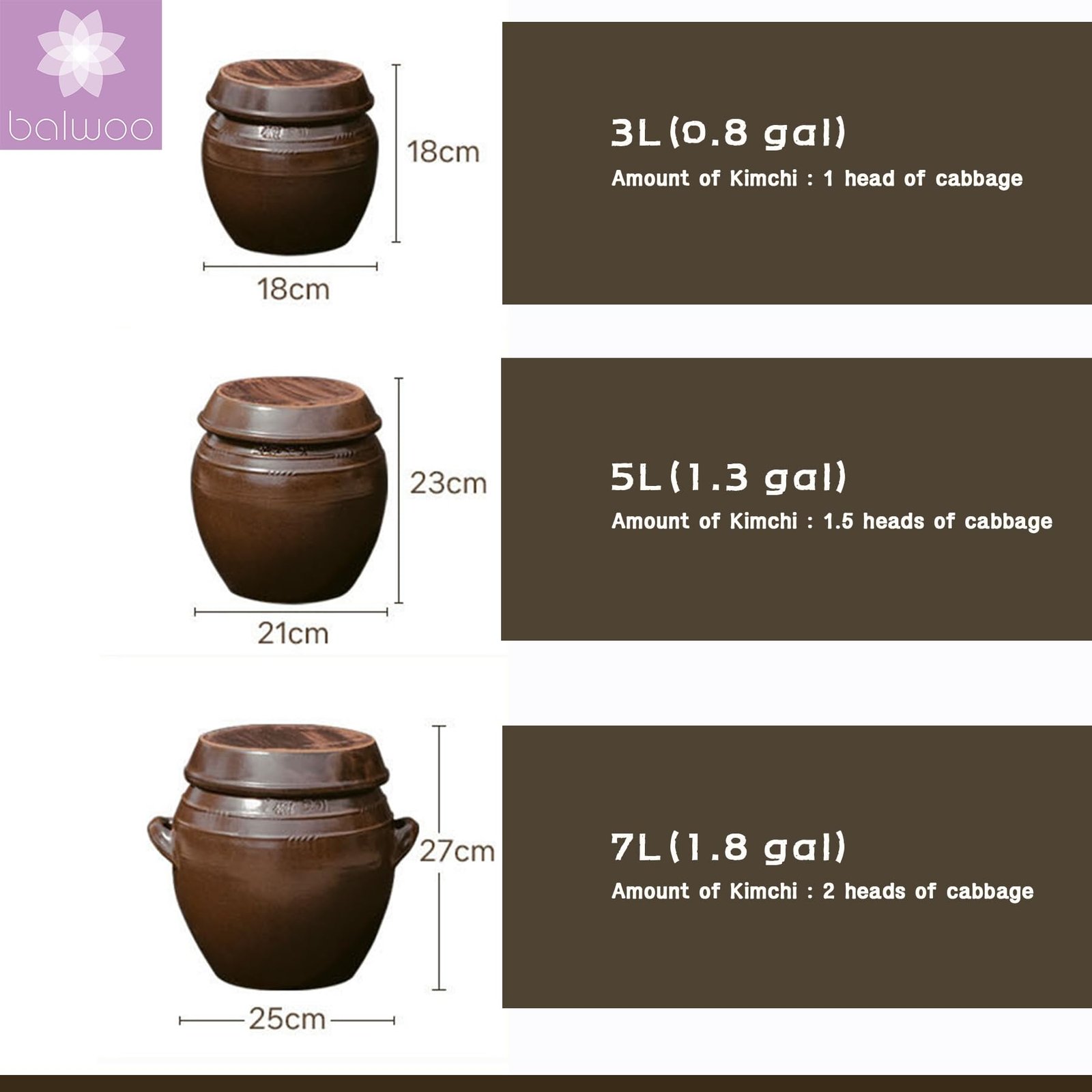
Most authentic handmade jars come in well-calibrated volume options:
- 3L (0.8 gal): Holds approximately 1 head of cabbage kimchi. Perfect for apartment countertops.
- 5L (1.3 gal): Holds roughly 1.5 heads of cabbage. Ideal for medium-sized households.
- 7L (1.8 gal): Holds up to 2 heads of cabbage. Best for large fermenting batches.
5. Handcrafted Quality Made in Korea
Modern plastic containers leach microplastics and chemical odors into acidic foods over time. Authentic earthenware avoids synthetic chemicals completely.
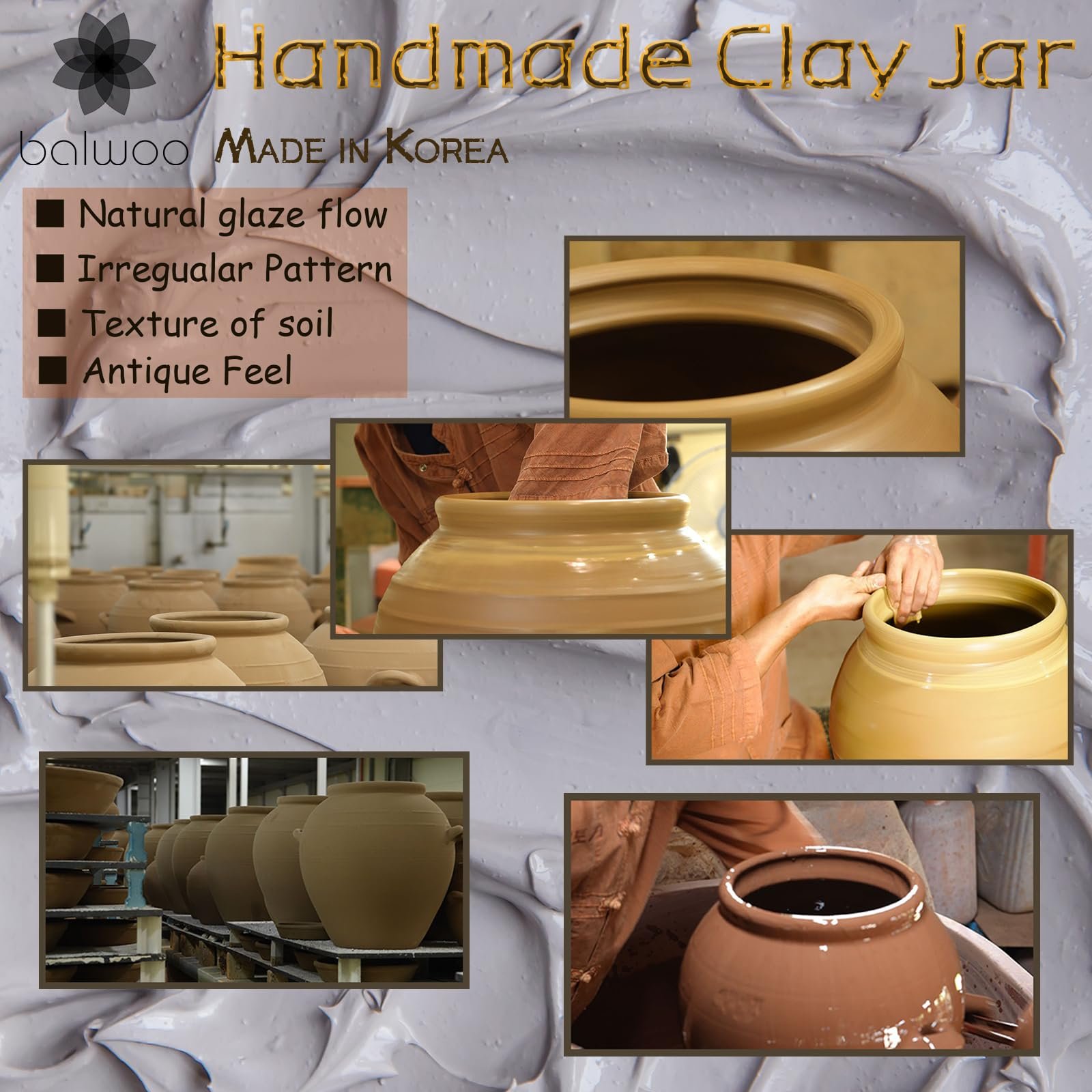
Each korean onggi jar is crafted by experienced artisans using natural unrefined clay and eco-friendly wood ash glazes. Fired at over 1,200°C, these pots deliver long-lasting durability without absorbing chemical toxins.
6. Frequently Asked Questions (FAQ)
Q: How do I clean my clay jar for the first time?
A: Rinse the vessel with warm water and a soft cloth. Avoid using harsh chemical detergents, as natural clay prefers warm water or mild vinegar rinses.
Q: Can I store the jar inside my refrigerator?
A: Yes! Smaller 3L and 5L jars fit comfortably inside standard kitchen refrigerators for controlled cold fermentation.
7. Final Thoughts: Elevate Your Culinary Experience
If you want to experience authentic gut-healthy fermented food with zero synthetic plastic contact, investing in a genuine korean onggi jar is a timeless decision for your home.
Experience Authentic Clay Fermentation at Home
Check current availability and size options on Amazon’s official store.
Discover more authentic Asian kitchen tools and traditional recipes on our Nookly Gems Home Page.
[…] traditional cookware history, read our Korean Onggi Jar Guide or review official USDA Food Safety […]