

Affiliate disclosure: This article contains affiliate links. If you purchase through these links, I may earn a commission at no additional cost to you.
I learned the difference between gochugaru and regular red pepper flakes the hard way: while making tteokbokki, I reached for the jar of crushed red pepper I usually kept for pizza. The rice cakes turned red and spicy, so at first the substitution seemed reasonable. But the sauce did not taste quite right. The heat felt sharper, and the pepper pieces were more noticeable than I wanted.
The problem was not simply that one chili was hotter than the other. I had substituted an ingredient designed to add bursts of heat for one commonly used to build the flavor, color, and texture of Korean seasoning.
If you cook Korean food at home in the United States, you may have wondered whether the red pepper flakes in your pantry can replace Korean gochugaru. The short answer is that they can work in some dishes, but they are not interchangeable in every recipe.
Gochugaru vs. Red Pepper Flakes: What’s the Difference?
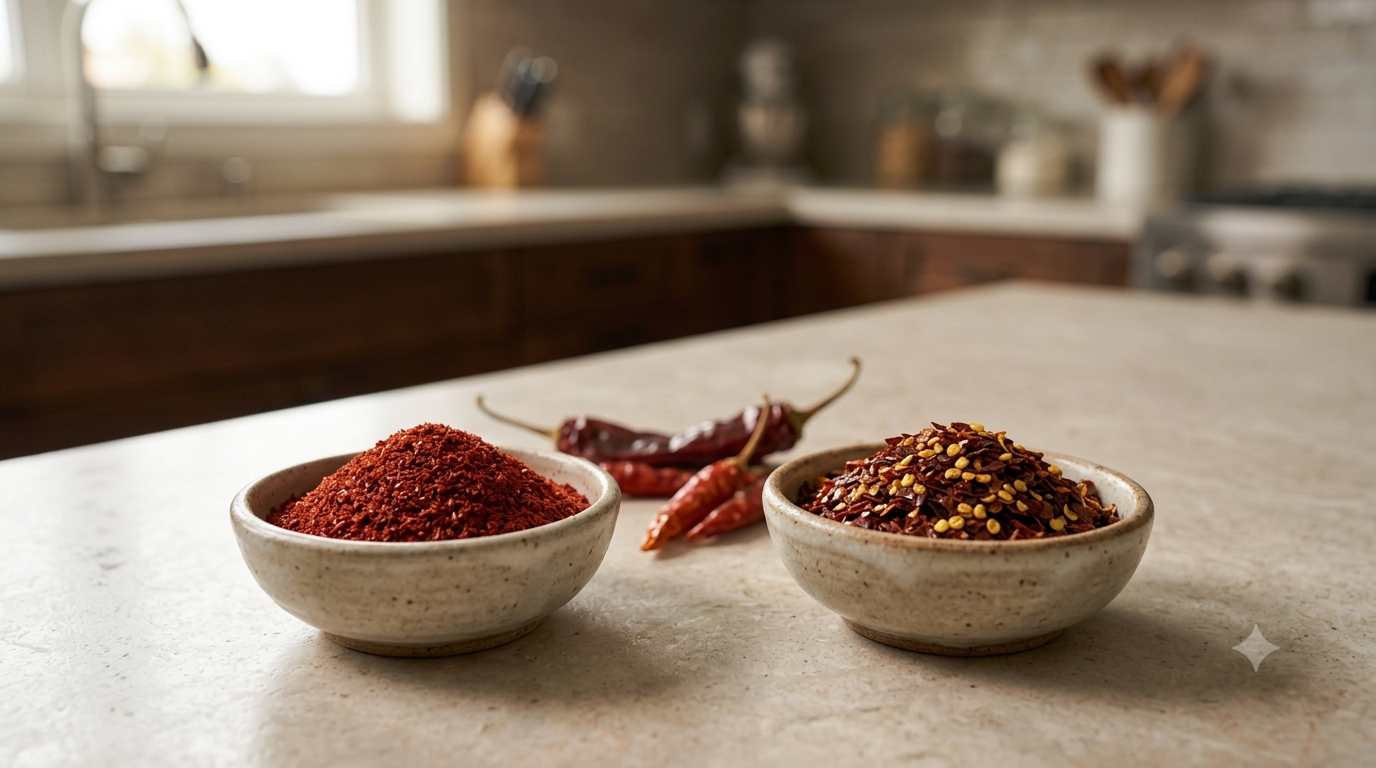
Gochugaru (고춧가루) is Korean red pepper that has been dried and ground into flakes or powder. It is commonly used in kimchi, Korean stews, marinades, and seasoned vegetable side dishes. Depending on the product and grind, it can contribute red color, pepper flavor, and a texture that blends into wet seasonings.
Crushed red pepper flakes, such as the kind served with pizza, are a general category of crushed dried chili peppers. Many products contain visible seeds and irregular pieces of pepper. Their heat and flavor vary by brand and pepper blend, so the label alone does not tell you exactly how spicy they will be.
| Feature | Gochugaru | Crushed Red Pepper Flakes |
|---|---|---|
| Typical use | Korean seasoning mixtures, kimchi, soups, stews, and marinades | Pizza, pasta, garlic oil, and finishing seasoning |
| Appearance | Flakes or powder; seed content depends on the product | Often irregular flakes with visible seeds |
| Flavor | Can have a rounded, fruity pepper flavor; varies by product | Often a sharper, more direct chili flavor; varies by blend |
| Heat | Ranges from mild to hot | Ranges from mild to hot, depending on the blend |
| Texture in wet sauces | Can blend into a more cohesive seasoning mixture | May leave more noticeable flakes and seeds |
| Best starting point | Choose the grind and heat level for the Korean recipe | Use when you want visible flakes or adjustable heat |
Why Pizza Pepper Flakes Can Change Tteokbokki
Tteokbokki is a Korean dish made with chewy rice cakes in a spicy sauce. Many versions use gochujang, a fermented red pepper paste, with other seasonings. Gochugaru may also be added to build color and chili flavor, depending on the recipe.
That distinction matters. Gochujang and gochugaru are not the same ingredient: gochujang is a seasoned fermented paste, while gochugaru is dried red pepper in flake or powder form. If a tteokbokki recipe calls for both, each plays a different role.
When you use crushed red pepper flakes instead of gochugaru, several things can change:
- The heat may feel different. Some crushed red pepper blends are quite hot. Adding the same volume as the gochugaru in a recipe could make the sauce too spicy.
- The sauce may have a different texture. Larger pepper pieces and seeds can remain visible instead of blending into the sauce as evenly as the particular gochugaru the recipe was designed for.
- The flavor may be sharper. Depending on the pepper blend, the sauce may taste more directly hot and less rounded.
- The color may not match. A substitute can add red color, but the shade and consistency of the finished sauce will depend on the pepper, grind, and amount used.
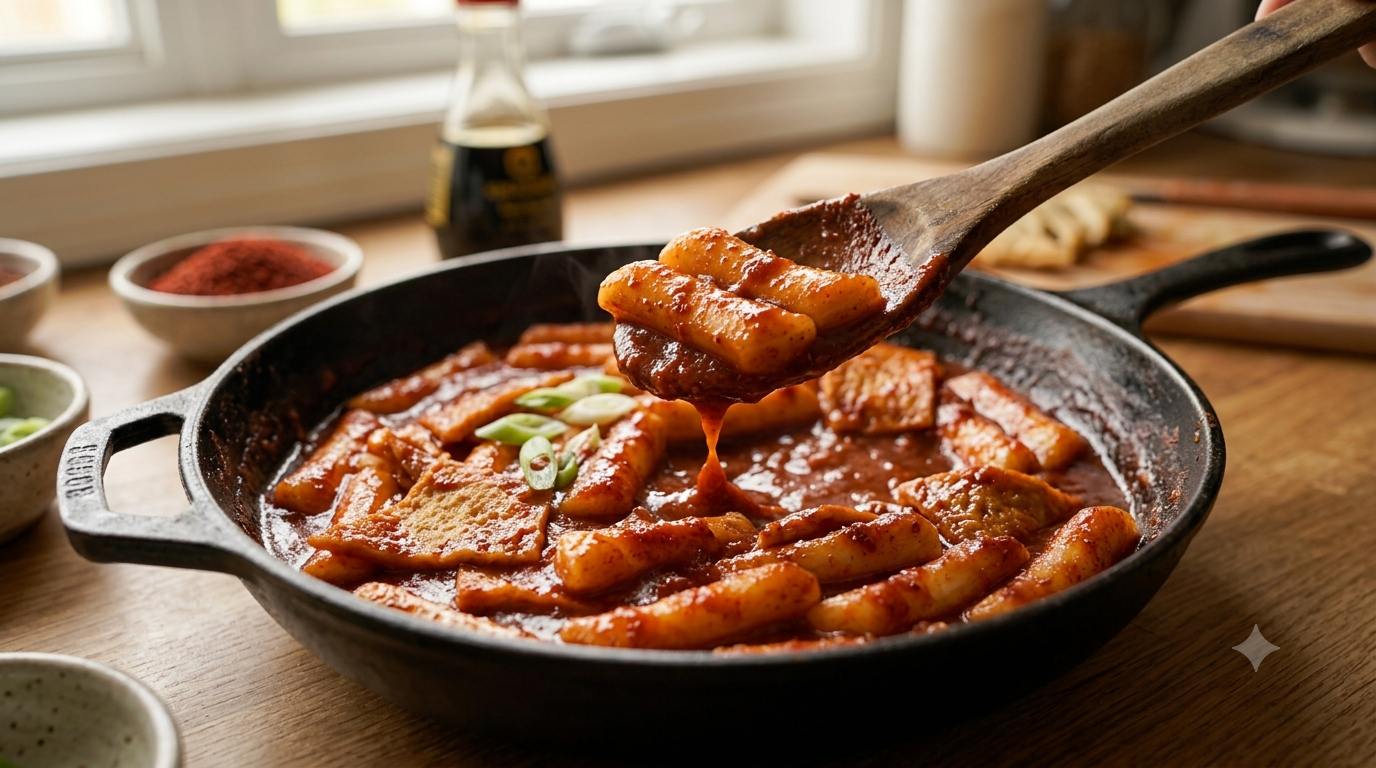
Using red pepper flakes does not automatically ruin tteokbokki. If the dish tastes good to you, the substitution has served its purpose. But if you want a result closer to a typical Korean-style sauce, use gochugaru when the recipe calls for it and adjust the amount according to the product’s heat level.
When Should You Use Gochugaru?
Gochugaru is the better starting point when the recipe needs Korean red pepper flavor as part of its seasoning, rather than just a final sprinkle of heat.
1. Kimchi
Gochugaru is commonly mixed with garlic, ginger, and other seasonings to make the paste used for many types of kimchi. The grind and amount affect how the seasoning coats the vegetables, as well as the finished color and flavor.
Generic crushed red pepper flakes are not the best direct replacement for a traditional kimchi recipe. Their heat and seed content can differ substantially, and adding more to achieve the expected color may make the batch too hot without producing the same texture.
2. Korean soups and stews
Gochugaru is used in many Korean soups and stews to add chili flavor and red color. Depending on the recipe, it may be stirred into a seasoning mixture or added to the cooking liquid. A small amount of crushed red pepper can add heat in a pinch, but the flavor and texture may differ.
3. Seasoned vegetable side dishes
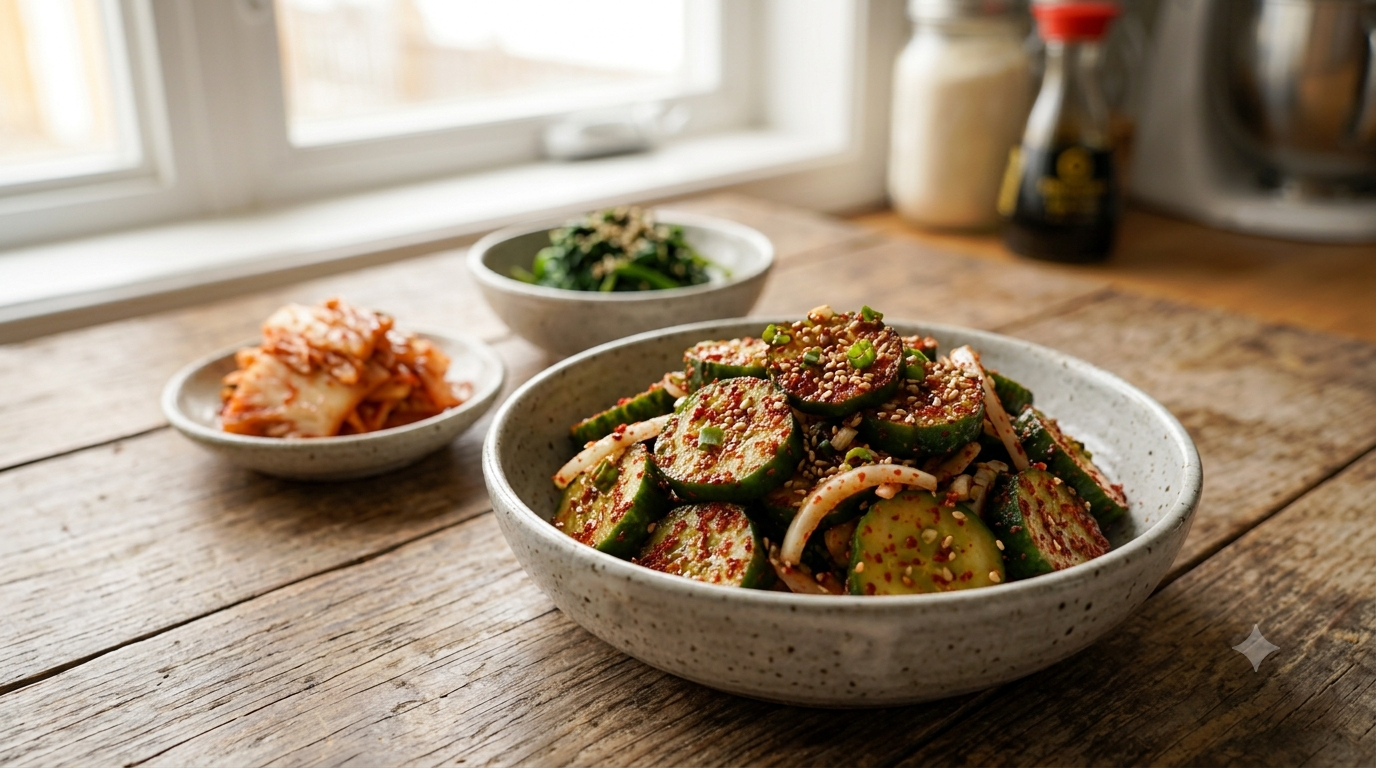
For Korean-style cucumber, scallion, or other seasoned vegetable dishes, gochugaru can distribute through the dressing and cling to the vegetables. Choose a grind suited to the recipe: coarser flakes are useful when a visible pepper texture is wanted, while finer powder can blend more readily into a sauce.
When Are Regular Red Pepper Flakes the Better Choice?
Keep the pizza pepper flakes. They are useful in their own right, especially when you want visible pieces of chili and the ability to add heat gradually.
- Pizza: Sprinkle a little over a slice when you want a direct hit of heat.
- Pasta: Add a small amount to garlic oil or tomato sauce for a familiar chili kick.
- Roasted vegetables: Combine with oil and other seasonings when you want scattered flakes rather than a smooth red coating.
- Eggs and savory snacks: Use a pinch as a finishing seasoning, then taste before adding more.

You can also use gochugaru outside Korean cooking. Try it in marinades, roasted vegetables, noodles, or eggs when you want a different pepper flavor and a softer flake texture. The best choice depends on the dish you are making, not on a rule that either ingredient belongs to only one cuisine.
Can You Substitute Red Pepper Flakes for Gochugaru?
Sometimes. The key question is whether the chili is there mainly to add heat or whether its color, flavor, and texture are central to the recipe.
| Recipe | Can you substitute? | Practical advice |
|---|---|---|
| Tteokbokki | Usually possible, with a different result | Start with a small amount, taste the sauce, and adjust gradually. |
| Soup or stew | Often possible | Use a small amount for heat and expect a different flavor or texture. |
| Marinade | Often possible | Mix thoroughly and taste before adding more chili. |
| Kimchi | Not recommended as a direct swap | Use gochugaru suited to kimchi if you want a more typical result. |
| Pizza or pasta topping | Usually unnecessary | Crushed red pepper flakes are already a suitable choice. |
There is no reliable universal conversion ratio because both products vary in heat, grind, and composition. Rather than automatically using half or a third of the amount, begin with a small pinch of the replacement in a small portion of the dish. Mix it in, give it a moment to hydrate, and taste before increasing the amount.
For tteokbokki, test the substitute in a spoonful of sauce before seasoning the entire pan. For soup, test it in a small bowl. This makes it easier to judge heat and texture without committing the whole dish to a substitution that does not work.
If your recipe relies on gochugaru to make a thick, evenly colored seasoning paste, reducing the amount of a hotter substitute may control the heat but will not necessarily reproduce the original color or texture. In that situation, getting the right ingredient is more reliable than trying to force a perfect match.
Which Gochugaru or Red Pepper Flakes Should You Buy?
If you cook Korean food regularly, it is worth keeping gochugaru in your pantry. Choose the grind and heat level according to what you cook most often, and read the product description rather than assuming every Korean chili product is identical.
For Korean Cooking: Taekyung Chili Powder for Kimchi
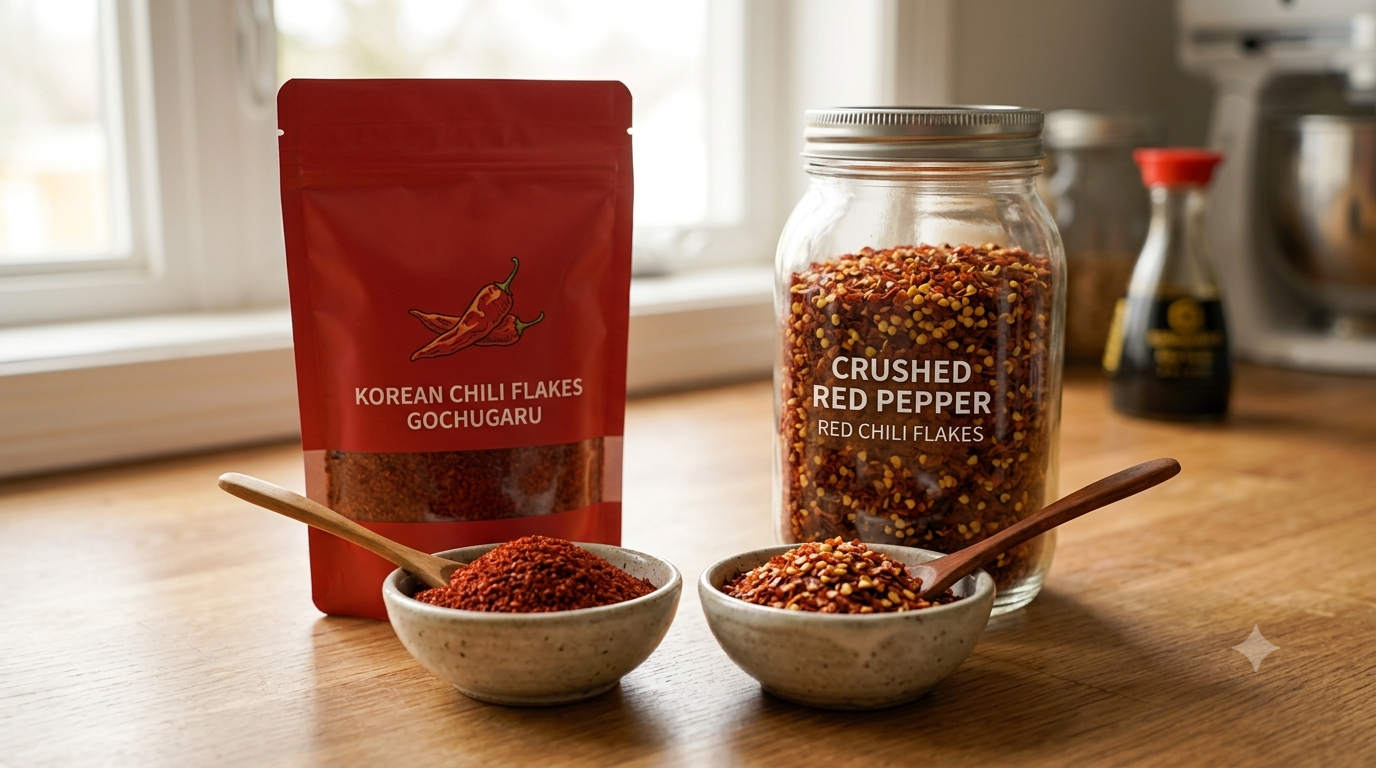
This Korean chili product is listed for kimchi, making it a product to consider if you regularly prepare kimchi and other Korean dishes. Check the current listing for grind, package size, and heat details to make sure it suits your recipe.
Best for: Home cooks looking for Korean chili powder for kimchi and related Korean recipes.
For Pizza and Everyday Seasoning: Spicy World Crushed Red Pepper Flakes
This bulk jar is an option for households that use crushed red pepper regularly on pizza, pasta, and other savory dishes. Because the package is large, consider how often you use the ingredient and how you will store it to preserve its aroma.
Best for: Cooks who want a larger supply of conventional crushed red pepper flakes for everyday seasoning.
These products serve different cooking needs, so they are not direct substitutes for every recipe. Review the current listing, including ingredients and product details, before ordering.
How to Store Chili Flakes
Both gochugaru and crushed red pepper flakes gradually lose aroma and flavor when exposed to air, heat, light, or moisture. Keep them in tightly sealed containers in a cool, dry, dark place, and always use a dry spoon.
If you buy a large bag or jar of gochugaru, divide it into smaller airtight portions so you do not repeatedly expose the entire supply to air. Refrigeration or freezing can help preserve quality when the product is well sealed; let a cold container reach room temperature before opening it to reduce condensation.
Check the smell and appearance before using older chili. If you notice moisture, mold, or an unusual odor, discard it rather than trying to rescue it.
Frequently Asked Questions
Is gochugaru hotter than regular red pepper flakes?
Not always. Heat depends on the peppers and the specific product. Some crushed red pepper blends are quite hot, while gochugaru is available in different heat levels. Start with a small amount when using an unfamiliar product.
Can I use pizza pepper flakes in tteokbokki?
Yes, if you accept that the flavor and texture may differ. Add a small amount to the sauce, taste, and adjust gradually. Gochugaru is the better starting point when you want a more typical Korean-style result.
Are gochugaru and gochujang the same?
No. Gochugaru is dried Korean red pepper in flake or powder form. Gochujang is a fermented red pepper paste made with additional ingredients. They contribute different flavors and textures, so one does not automatically replace the other.
Can I use gochugaru on pizza?
Yes. Gochugaru can season pizza, pasta, eggs, and roasted vegetables. Its flavor and texture may differ from conventional pizza pepper flakes, so begin with a small amount and see how it works with the other toppings.
What is the best substitute for gochugaru?
There is no single substitute that matches every gochugaru product. Crushed red pepper flakes can add heat to some cooked dishes, but may contribute more noticeable seeds and a different flavor. For kimchi and recipes that depend on a specific seasoning texture, using gochugaru is the more reliable choice.
Final Thoughts: Choose the Chili for the Job
The difference between gochugaru and red pepper flakes becomes clearer when you look beyond the heat. Gochugaru is commonly used to build the flavor, color, and texture of Korean seasonings. Conventional crushed red pepper flakes are useful when you want visible chili pieces and adjustable heat on pizza, pasta, and other everyday dishes.
My tteokbokki substitution was not a disaster because I used the wrong jar; it was a reminder that ingredients do more than make food spicy. If you are making Korean dishes often, keep gochugaru on hand. If you mainly want a finishing sprinkle for pizza, regular red pepper flakes still earn their place in the pantry.
Building your Korean pantry? Start with our guide to Korean pantry essentials, or learn how to use another staple in our guide to cooking with gochujang.