

Disclosure: As an Amazon Associate, I earn from qualifying purchases. This post contains affiliate links through which we earn a small commission at no extra cost to you.
Wondering what to make with leftover kimchi? When a jar of kimchi becomes extra sour or softer than you prefer, it can still be useful in many cooked dishes. Its bold, tangy flavor adds depth to pancakes, soups, noodles, sandwiches, and quick weeknight meals.
These six leftover kimchi recipes go beyond kimchi fried rice and use everyday ingredients that are easy to find in many American grocery stores. Whether you have a small amount left in the jar or nearly a cup of ripe kimchi, you can turn it into a satisfying meal.
Why Sour Kimchi Works Well in Cooked Recipes
As kimchi ferments, its flavor becomes more acidic and tangy. That stronger taste can work especially well in cooked dishes, where it adds brightness and savory depth.
- More flavor: Ripe kimchi can give soups, noodles, and stir-fries a deeper tang.
- Less waste: Use leftover kimchi before opening another jar.
- Flexible portions: Many recipes work with just half a cup of chopped kimchi.
Keep in mind that sourness alone does not tell you whether kimchi is safe to eat. Discard it if you see mold, notice an unusual rotten smell, or observe other signs of spoilage. Follow the product’s storage instructions and use clean utensils when handling it.
6 Easy Leftover Kimchi Recipes
1. Crispy Kimchi Pancakes (Kimchijeon)
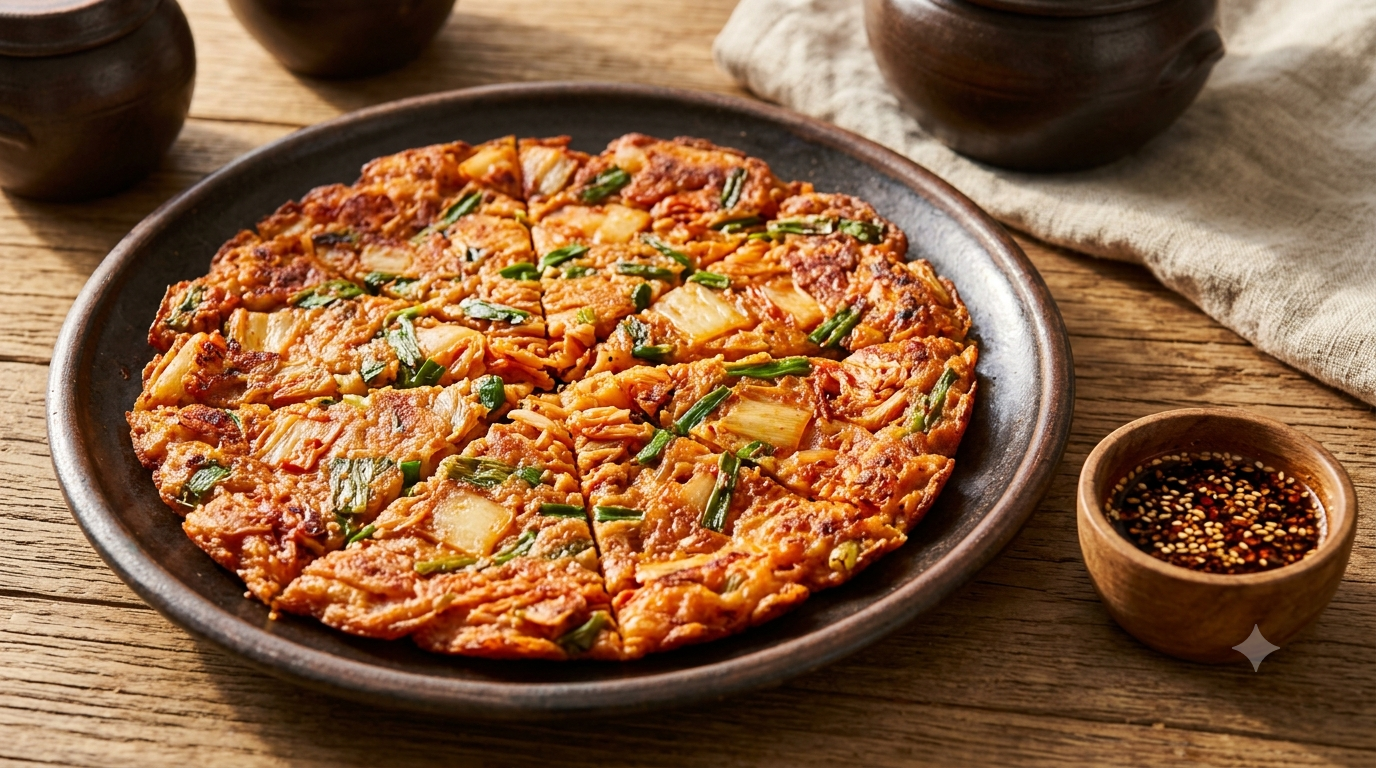
Kimchi pancakes are crisp around the edges, savory in the middle, and easy to make as a snack, appetizer, or light lunch.
Ingredients (makes 2 small pancakes)
- 1 cup chopped kimchi
- 3/4 cup all-purpose flour
- 1 tablespoon kimchi juice
- 1/3 cup cold water, plus more if needed
- 2 sliced green onions (optional)
- 2–3 tablespoons neutral cooking oil
Instructions
- Mix the flour, kimchi juice, and cold water until a thick but pourable batter forms.
- Fold in the chopped kimchi and green onions.
- Heat a thin layer of oil in a nonstick skillet over medium heat.
- Spoon in the batter and spread it into thin pancakes.
- Cook for about 3–4 minutes per side, until golden and crisp. Add a little more oil between batches if needed.
Tip: Avoid making the pancakes too thick. A thinner layer cooks more evenly and creates crispier edges.
2. Korean Kimchi Jjigae (Kimchi Stew)
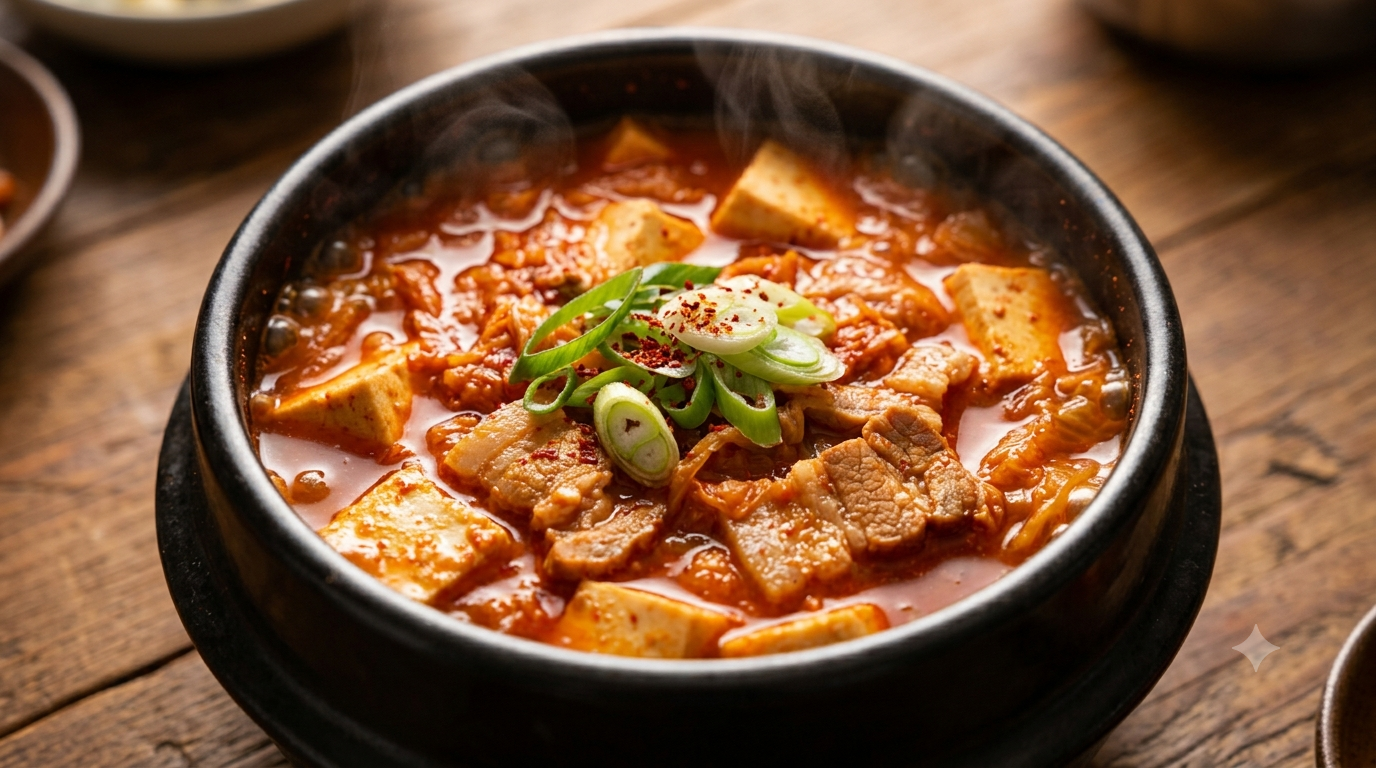
Kimchi jjigae is a comforting Korean stew that pairs ripe kimchi with tofu and a savory broth. It is especially useful when you have a larger amount of kimchi to use up.
Ingredients (serves 2)
- 1 cup chopped kimchi
- 1/2 small onion, sliced
- 1/2 block firm or medium-firm tofu, cubed
- 2 ounces pork belly or canned tuna (optional)
- 2 cups water or low-sodium broth
- 1 teaspoon gochugaru (Korean red pepper flakes), optional
- 1 teaspoon sesame oil
Instructions
- Heat the sesame oil in a small pot over medium heat.
- Add the kimchi and onion. Cook for 3–5 minutes to deepen their flavor.
- Add the optional pork or tuna, if using, and stir briefly.
- Pour in the broth or water. Add gochugaru if you want more heat.
- Simmer for 10–15 minutes, then add the tofu and simmer for another 5 minutes.
- Taste before adding salt, since kimchi and broth can already be salty.
Serving idea: Serve hot with steamed rice for a simple Korean-style meal.
🛒 Essential Pantry Pick: CJ Beksul Premium Sesame Oil
CJ Premium Sesame Oil (10.8 fl oz) adds an authentic, rich nutty aroma that elevates Kimchi Jjigae and fried rice to restaurant quality.
3. Spicy Kimchi Udon Noodles
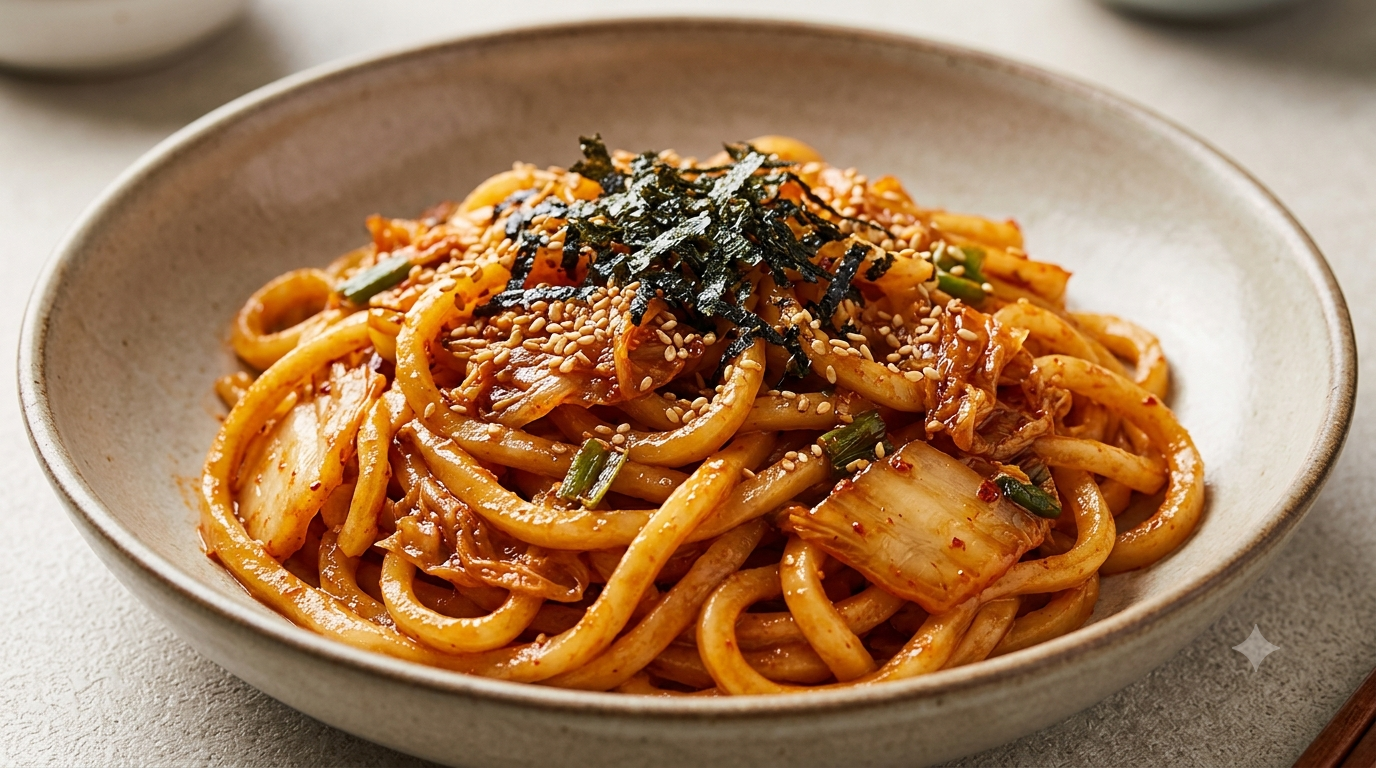
Chewy udon noodles pair well with tangy kimchi and a quick savory sauce. This is a useful option for lunch or dinner when you need something ready in about 15 minutes.
Ingredients (serves 1–2)
- 2 packs frozen or vacuum-packed udon noodles
- 3/4 cup chopped kimchi
- 1 tablespoon soy sauce
- 1 teaspoon sesame oil
- 1 teaspoon neutral cooking oil
- 2 tablespoons water
- 1 sliced green onion (optional)
- 1 teaspoon gochugaru, optional
Instructions
- Prepare the udon according to the package directions, then drain if needed.
- Heat the neutral oil in a skillet over medium-high heat.
- Add the kimchi and stir-fry for 2–3 minutes.
- Add the udon, soy sauce, water, and optional gochugaru.
- Toss for 2–3 minutes until the noodles are hot and coated in sauce.
- Turn off the heat and mix in the sesame oil. Top with green onion if desired.
Tip: If your kimchi is very sour, start with a little less soy sauce and adjust after tasting.
4. Kimchi Grilled Cheese Sandwich

Ingredients (makes 1 sandwich)
- 2 slices sandwich bread or sourdough
- 1/4 cup finely chopped kimchi
- 2 slices cheddar, mozzarella, or Monterey Jack
- 1 tablespoon softened butter
- 1 teaspoon mayonnaise, optional
Instructions
- Drain the kimchi well and squeeze out excess liquid so the bread does not become soggy.
- Butter the outside of each bread slice.
- Layer the cheese and kimchi between the unbuttered sides of the bread.
- Cook in a skillet over medium-low heat for 3–4 minutes per side, pressing gently, until the bread is golden and the cheese melts.
- Let it rest for a minute before slicing.
Best for: A fast lunch, a simple dinner, or a creative way to use a few tablespoons of kimchi.
5. Easy Kimchi Dumplings
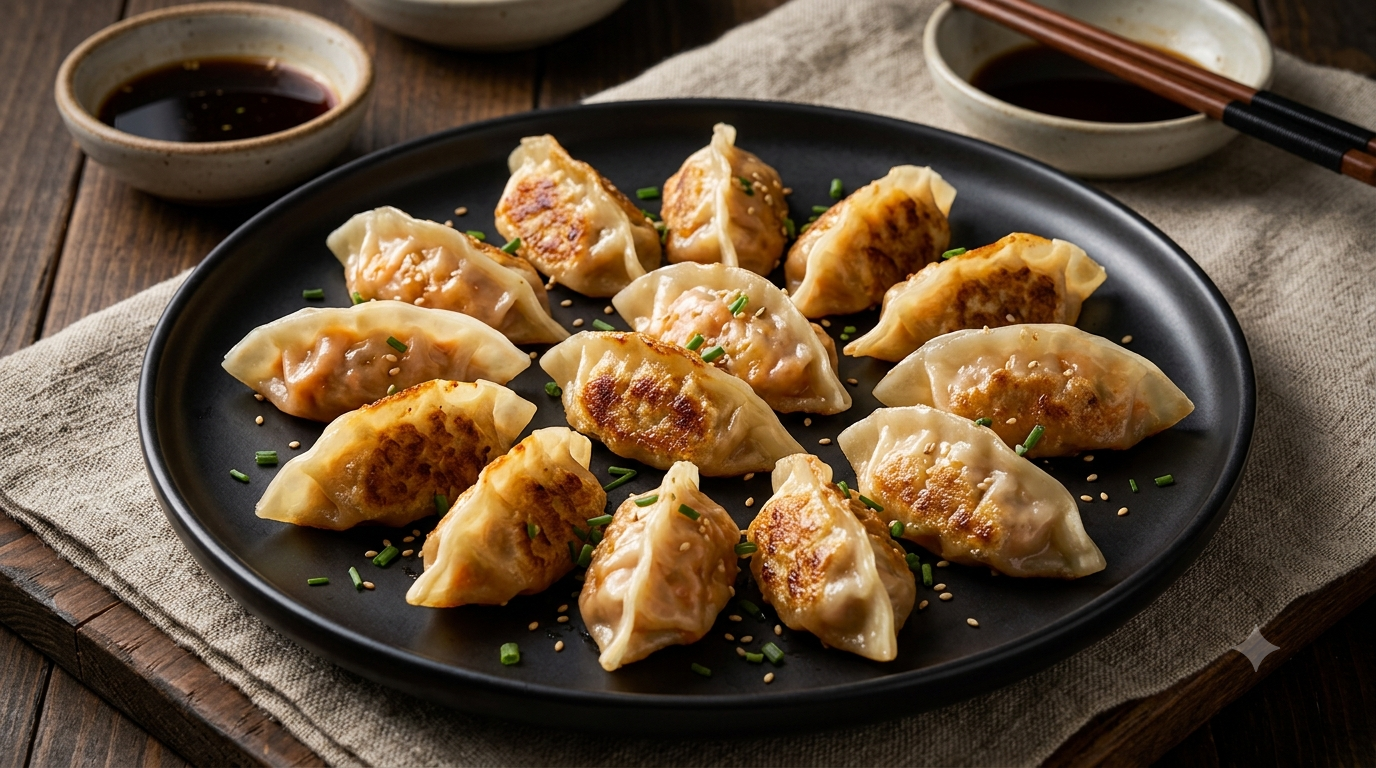
Kimchi dumplings are a practical choice when you want to turn leftover kimchi into a freezer-friendly meal. Tofu helps create a soft filling, while the kimchi adds flavor.
Ingredients (makes about 12 dumplings)
- 1/2 cup finely chopped kimchi, squeezed dry
- 1/2 cup crumbled firm tofu, pressed to remove excess water
- 2 tablespoons finely chopped green onion
- 1 teaspoon soy sauce
- 12 dumpling wrappers
- 1 tablespoon neutral cooking oil
- 1/4 cup water, for pan-steaming
Instructions
- Combine the kimchi, tofu, green onion, and soy sauce in a bowl.
- Place about 1 teaspoon of filling in the center of each wrapper.
- Moisten the wrapper edge with water, fold it over, and press firmly to seal.
- Heat oil in a skillet over medium heat. Arrange the dumplings in a single layer and cook for 2 minutes.
- Add the water carefully and cover immediately. Steam for about 4–5 minutes, or until the wrappers are cooked through.
- Remove the lid and cook until the remaining water evaporates and the bottoms become crisp.
Tip: Seal the wrappers well and avoid overfilling them. If freezing, arrange uncooked dumplings in a single layer until solid, then transfer them to a freezer-safe container.
6. Kimchi and Tofu Breakfast Scramble
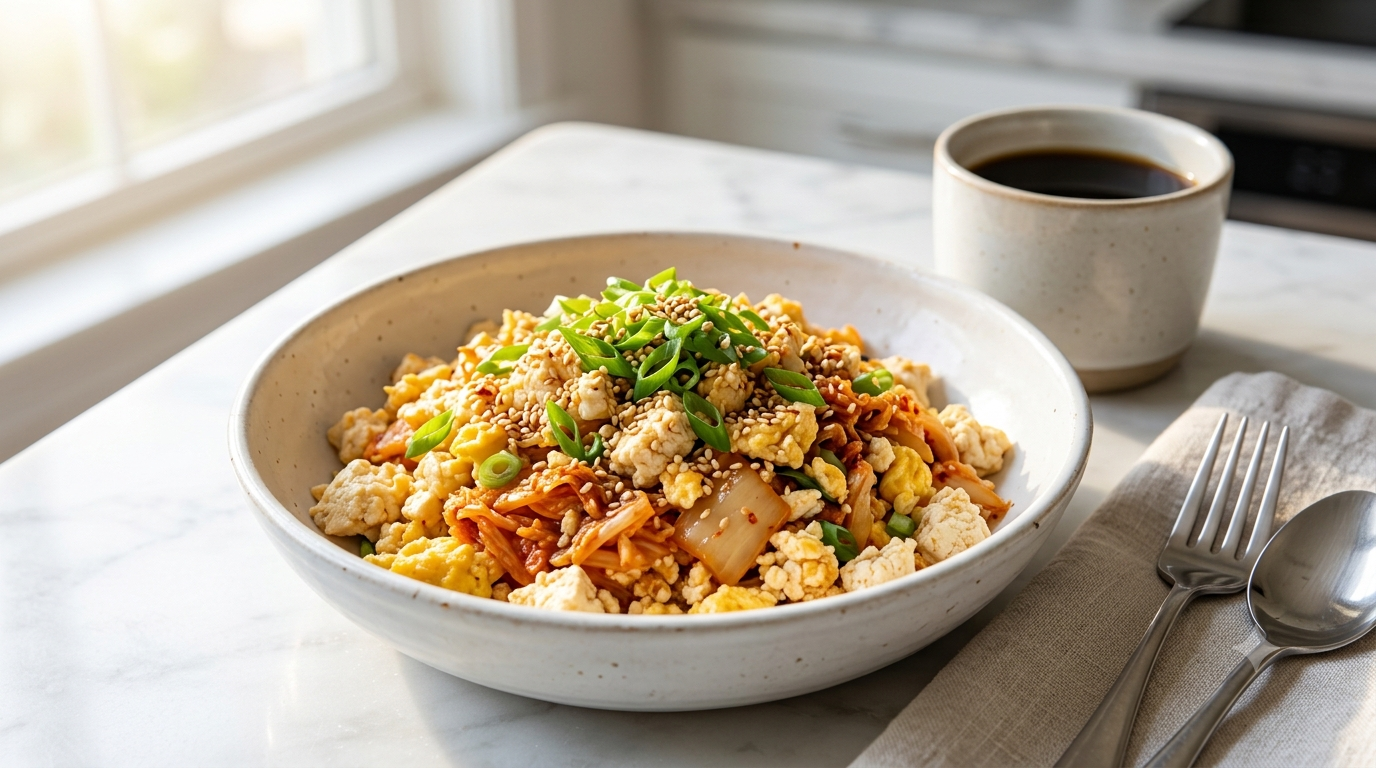
For a quick savory breakfast, cook kimchi with tofu and serve it with eggs or rice. This flexible recipe works with a small amount of leftover kimchi and can be adjusted to your preferred spice level.
Ingredients (serves 1–2)
- 1/2 cup chopped kimchi
- 1/2 block firm tofu, crumbled
- 2 eggs, optional
- 1 teaspoon neutral cooking oil
- 1 teaspoon sesame oil
- 1 sliced green onion, optional
Instructions
- Heat the neutral oil in a skillet over medium heat.
- Add the kimchi and cook for 2–3 minutes.
- Add the crumbled tofu and cook for another 3–4 minutes, stirring occasionally.
- If using eggs, push the tofu mixture to one side, scramble the eggs in the open space, then mix everything together once the eggs are fully cooked.
- Turn off the heat and drizzle with sesame oil. Add green onion if desired.
Serving idea: Enjoy it on its own, with toast, or over steamed rice for a more filling meal.
🌶️ Must-Have Spice: Taekyung Chili Powder (Fine Gochugaru)
MSG-free Taekyung Fine Gochugaru (3LB) delivers a vibrant red color and clean, authentic Korean heat to stews and pastes.
Shop Taekyung Gochugaru on AmazonTips for Cooking with Extra-Sour Kimchi
- Balance the flavor: A small pinch of sugar can soften the perceived sharpness of very sour kimchi. It does not remove the acid.
- Use the kimchi juice carefully: A spoonful can add flavor to pancakes, stews, and sauces, but too much can make a dish overly sour or salty.
- Drain it for crispy recipes: Squeeze out excess liquid before making grilled cheese or dumpling filling.
- Add rich ingredients when appropriate: Butter, tofu, eggs, or cheese can balance the tangy flavor.
- Taste before seasoning: Kimchi varies in saltiness and spice, so adjust soy sauce and salt at the end.
How to Store Leftover Kimchi Safely
Keep kimchi refrigerated in a clean, tightly closed container and use clean utensils to remove portions. Follow the storage guidance on the product label. The time kimchi remains at its best depends on its ingredients, preparation, handling, and refrigerator temperature, so avoid relying on a single universal storage period.
Do not taste kimchi to test whether it is safe if you notice mold, a rotten or otherwise unusual odor, or other clear signs of spoilage. When in doubt, discard it. Normal fermentation can produce a sour smell and bubbles, but those signs alone cannot confirm food safety.
Frequently Asked Questions
Can I use fresh kimchi instead of sour kimchi?
Yes. Fresh kimchi works in all six recipes. Its flavor may be milder and crunchier than ripe kimchi. If a recipe needs more tang, add a small amount of kimchi juice or adjust the seasoning to taste rather than automatically adding vinegar.
Do I need to rinse sour kimchi before cooking?
Usually not. Rinsing removes much of the seasoning and flavor. If the kimchi is too spicy or salty for your dish, you can briefly rinse it, but drain it well and expect a milder result.
What can I make with only a small amount of leftover kimchi?
Kimchi grilled cheese, udon noodles, and a tofu scramble are good options because each can use a small portion. Finely chop the kimchi so it spreads evenly through the dish.
Is very sour kimchi safe to eat?
Sourness can be a normal part of fermentation, but it is not a reliable safety test. Follow the product’s storage instructions and discard kimchi with mold, a rotten smell, or other signs of spoilage. If you are unsure whether it has been stored safely, do not eat it.
Final Thoughts & Related Guides
Leftover kimchi can do much more than become kimchi fried rice. Use it to make crispy pancakes, warming stew, quick noodles, grilled cheese, dumplings, or a savory tofu breakfast. Start with the recipe that matches the amount of kimchi you have, then adjust the seasoning to suit its sourness and saltiness.
Planning your next K-Food meal? Check out our complete guide on Gim vs. Nori: 5 Key Differences Between Korean and Japanese Seaweed to find the exact seaweed pairing for your table!