

Disclosure: This post contains affiliate links. If you buy through links on this page, we may earn a commission at no extra cost to you.
Wondering how to use gochujang in everyday meals? This Korean fermented chili paste adds sweet heat and savory depth to dipping sauces, marinades, rice bowls, noodles, and roasted vegetables. Because gochujang can taste intense straight from the tub, start with a small amount and balance it with liquid, acidity, fat, or sweetness.
What Is Gochujang?
Gochujang (고추장) is a thick Korean fermented chili paste with a flavor that is spicy, savory, slightly sweet, and rich in umami. It is a seasoning base—not the same as a pourable hot sauce. Brands and heat levels vary, so check the label and taste a tiny amount before adding it to a full recipe.
If you are building your Korean pantry from scratch, see our guide to Korean pantry essentials for beginners.
How to Use Gochujang: 5 Easy Ways
1. Make a quick dipping sauce
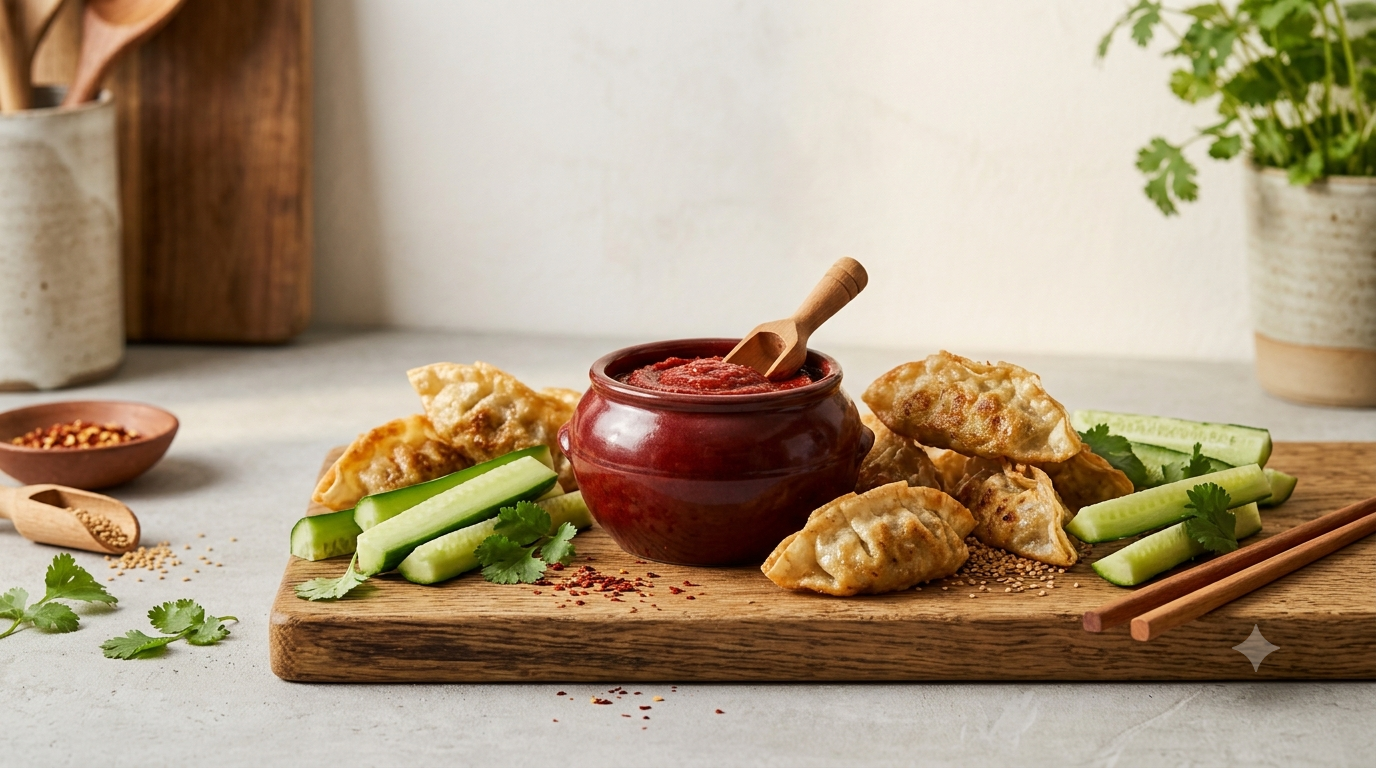
Whisk together 1 tablespoon gochujang, 1 tablespoon water, 1 teaspoon rice vinegar, and 1 teaspoon sesame oil. Taste, then add a little honey or sugar if you want a sweeter finish. Add water a few drops at a time until it reaches a dip-able consistency.
Try it with: dumplings, roasted vegetables, cucumber sticks, or rice bowls. For a milder creamy dip, stir a small amount of gochujang into mayonnaise and thin with a few drops of rice vinegar.
2. Add it to a chicken or tofu marinade
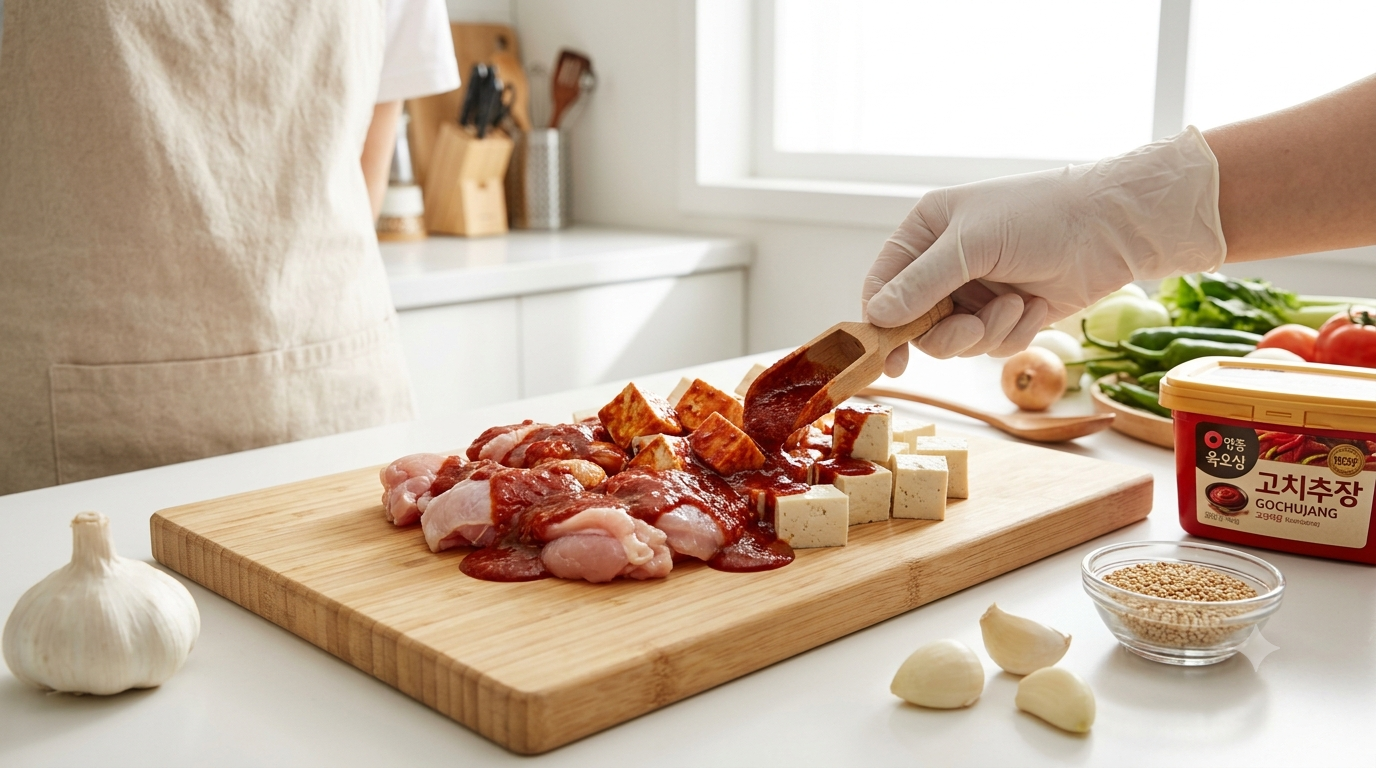
For about 1 pound of chicken or a block of firm tofu, mix 1 tablespoon gochujang with 1 tablespoon soy sauce, 1 teaspoon sesame oil, 1 minced garlic clove, and 1 teaspoon honey. Add a splash of water if the mixture is too thick to coat evenly.
Marinate chicken in the refrigerator and cook it thoroughly. For tofu, pat it dry first so the marinade clings better. Because gochujang often contains sugar, watch the heat when pan-searing or grilling—the outside can darken before the inside is done.
3. Build a simple bibimbap-style bowl
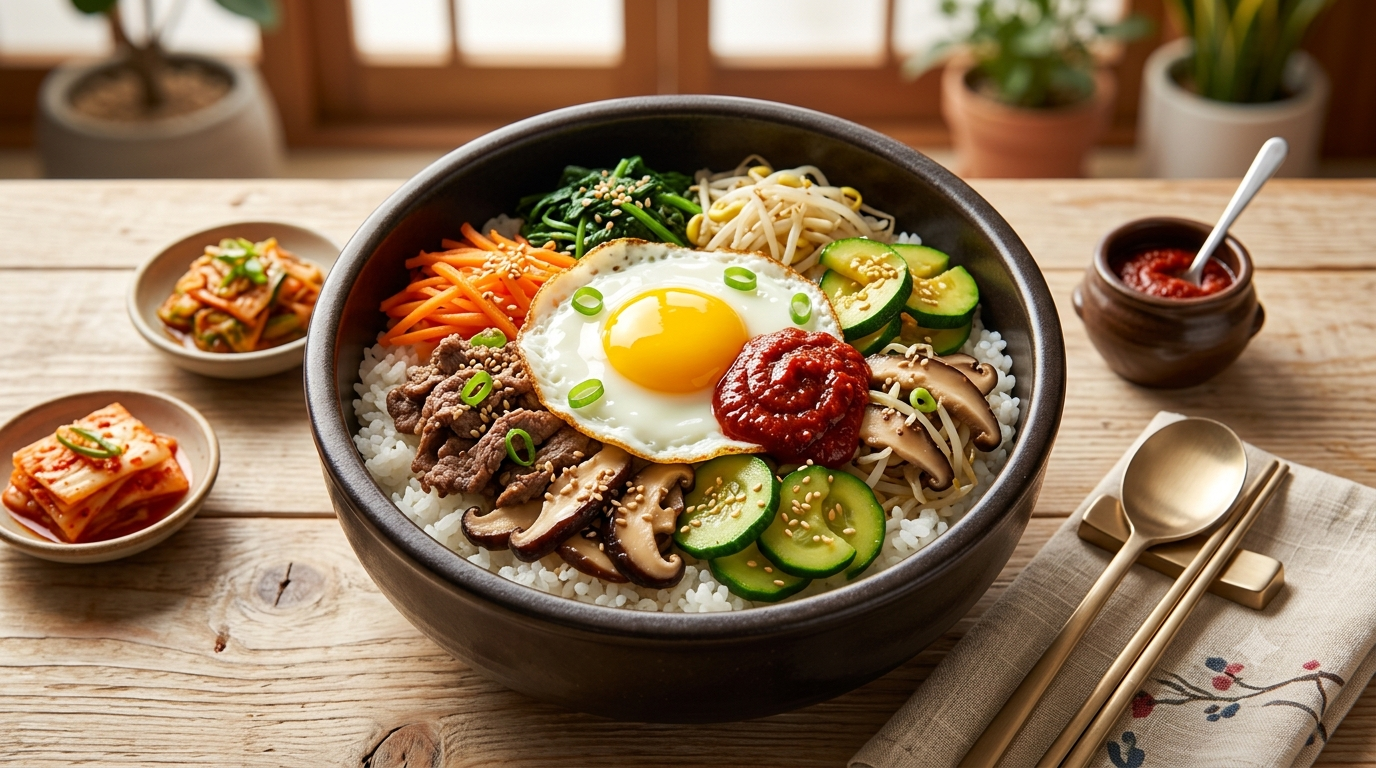
Put warm rice in a bowl and add cooked vegetables, an egg, tofu, or leftover protein. Start with 1 teaspoon gochujang mixed with 1 teaspoon water and a few drops of sesame oil. Drizzle it over the bowl, mix, and add more only if needed.
Common mistake: adding a large spoonful of paste directly to one spot. Diluting it first makes the flavor easier to distribute and helps prevent one bite from being much hotter than the next.
4. Give fried rice or noodles more depth
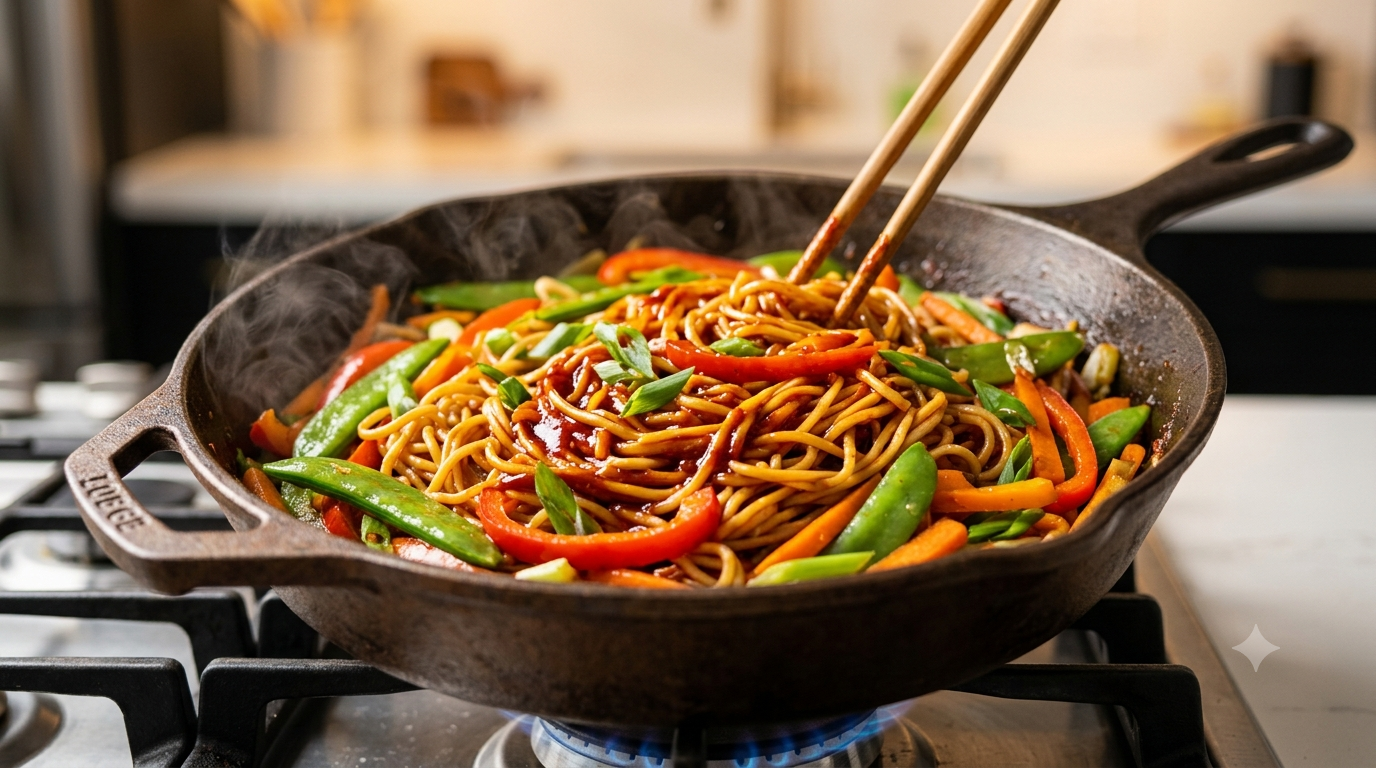
For two servings, stir 1–2 teaspoons gochujang into a tablespoon of water or broth before adding it to the pan. Toss with cooked rice or noodles and vegetables. Taste before adding more soy sauce because both ingredients can contribute saltiness.
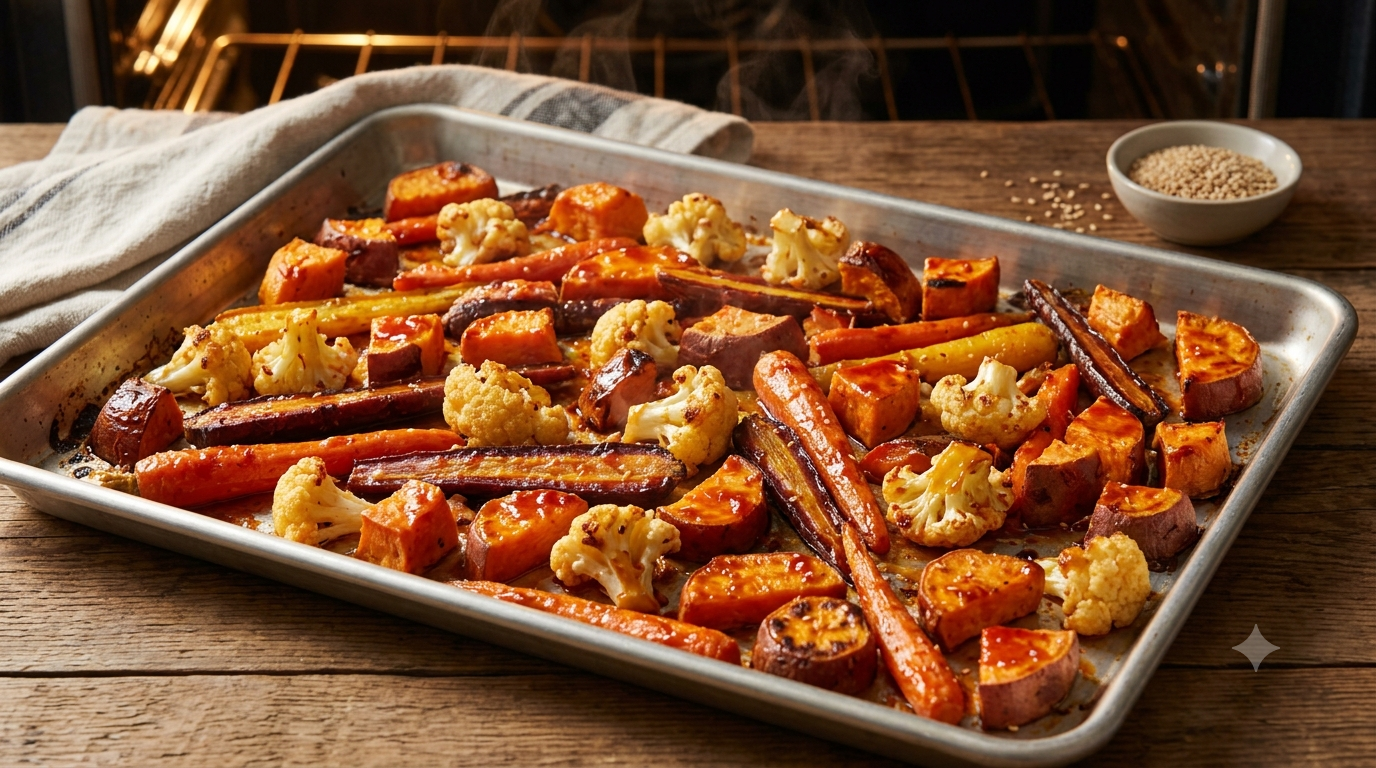
5. Make a quick glaze for roasted vegetables
Mix 1 teaspoon gochujang, 1 teaspoon honey or maple syrup, 1 teaspoon oil, and 1 teaspoon water. Toss with sturdy vegetables such as carrots, cauliflower, or sweet potatoes. Roast until tender, checking toward the end so the sugars do not burn. For delicate vegetables, add the glaze during the final few minutes instead of at the beginning.
How to Use Gochujang Without Overpowering a Dish
- Too spicy: use less gochujang and add more water, oil, or a creamy ingredient such as mayonnaise.
- Too thick: thin it gradually with water, broth, or rice vinegar, depending on the recipe.
- Too salty: avoid adding more soy sauce; balance with unsalted ingredients or a little sweetness.
- Too sweet: add a small amount of vinegar or citrus and reduce other sweeteners.
- Flavor feels flat: a little rice vinegar, garlic, or sesame oil may help, depending on the dish.
Which Gochujang Should Beginners Buy?
Choose a size you can use comfortably, check the stated heat level, and read the ingredient and allergen label. A medium-heat option can be a practical starting point, but sweetness and saltiness differ by brand. If you only cook Korean-inspired meals occasionally, a smaller tub may be more sensible than buying a bulk container.
Beginner pick: O’Food Premium Gochujang
Consider this medium-heat Korean chili paste if you want one versatile ingredient for sauces, marinades, and rice bowls. Check the current package size, ingredients, allergen information, and price on the listing before ordering.
How to Store Gochujang After Opening
Follow the storage directions on your product label. As a general practice, close the container tightly and refrigerate after opening unless the package says otherwise. Use a clean, dry utensil each time and avoid introducing food or water into the tub. Discard the product if you see mold or notice an unusual off odor; do not simply scrape questionable growth away.
Frequently Asked Questions
Can I use gochujang instead of hot sauce?
Sometimes, but the result will be thicker, more savory, and often sweeter. Thin it with water or vinegar and adjust the other seasonings in the recipe.
Do I need to cook gochujang?
No. You can mix it into a dipping sauce, but it is also useful in marinades, stir-fries, soups, and glazes. Balance it with other ingredients rather than using it as a straight pour-on condiment.
How much gochujang should I start with?
Start with 1 teaspoon for a two-serving sauce or rice bowl, then taste and increase gradually. The right amount depends on the brand, heat level, and other ingredients.
Start with One Easy Sauce
If you are new to gochujang, begin with the dipping sauce or rice-bowl method. Both take only a few minutes and let you adjust the heat before using the paste in a larger dish. For the rest of your starter ingredients, return to our Korean pantry essentials guide.
Product details and availability may change. Always check the current listing and package label before purchasing or using a food product.